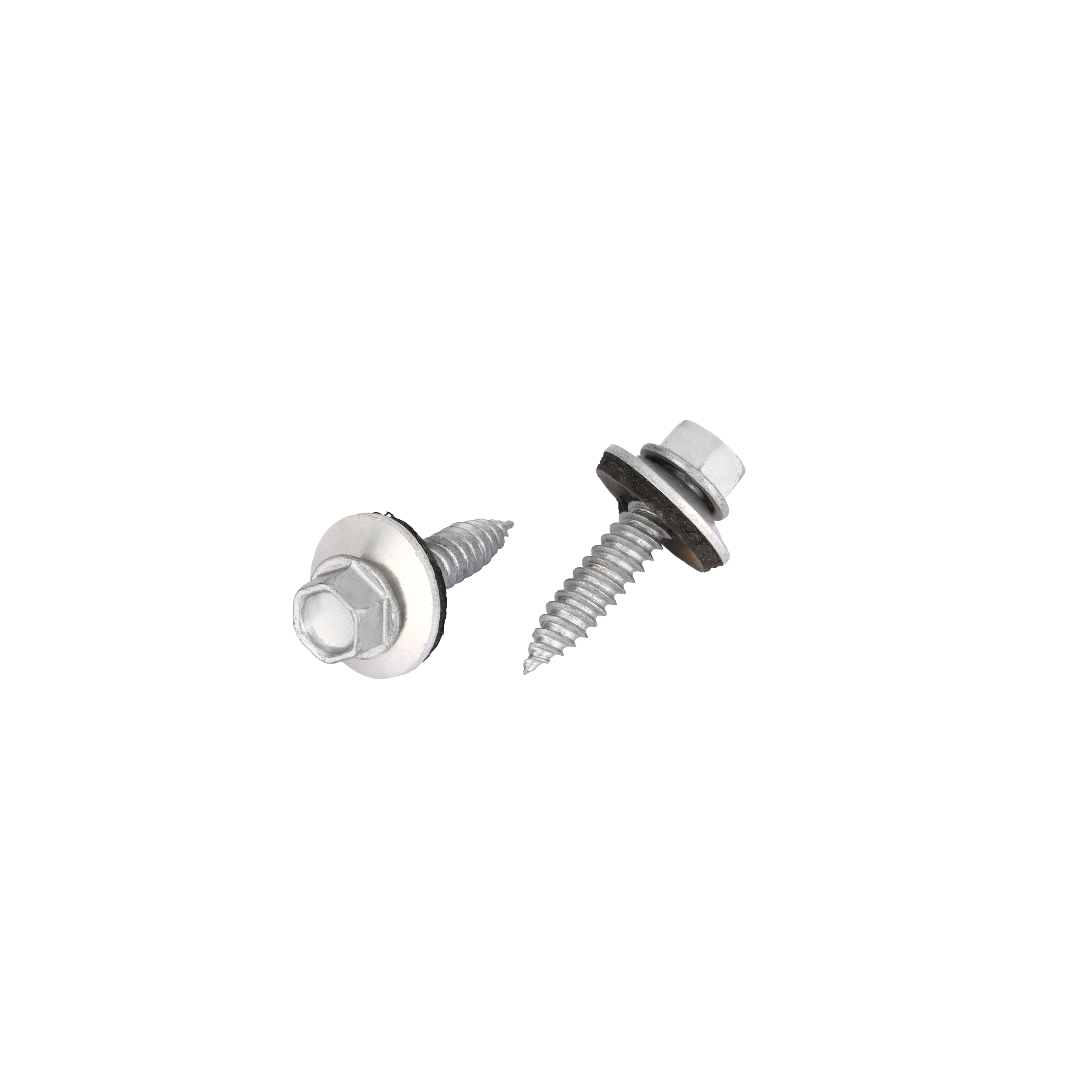
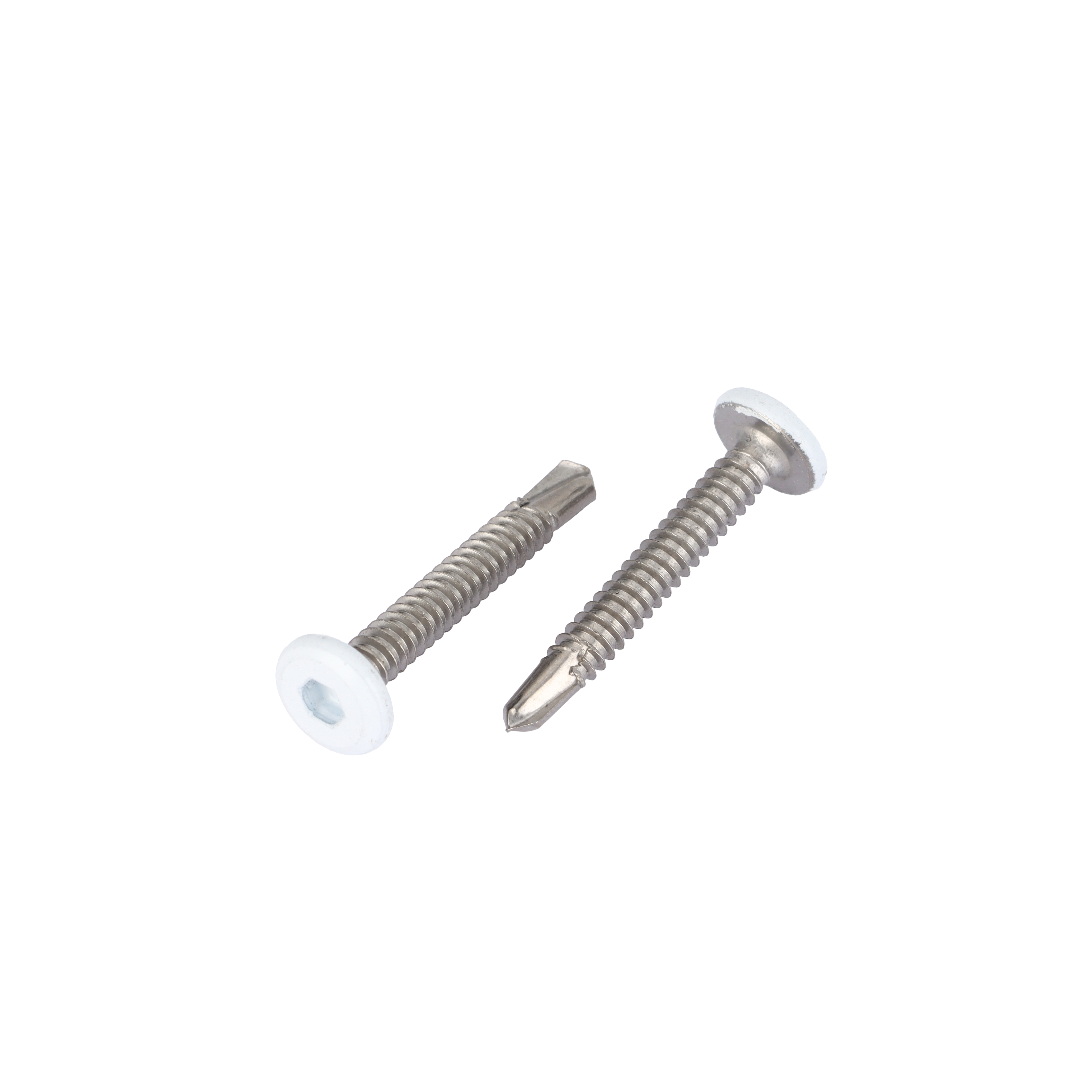
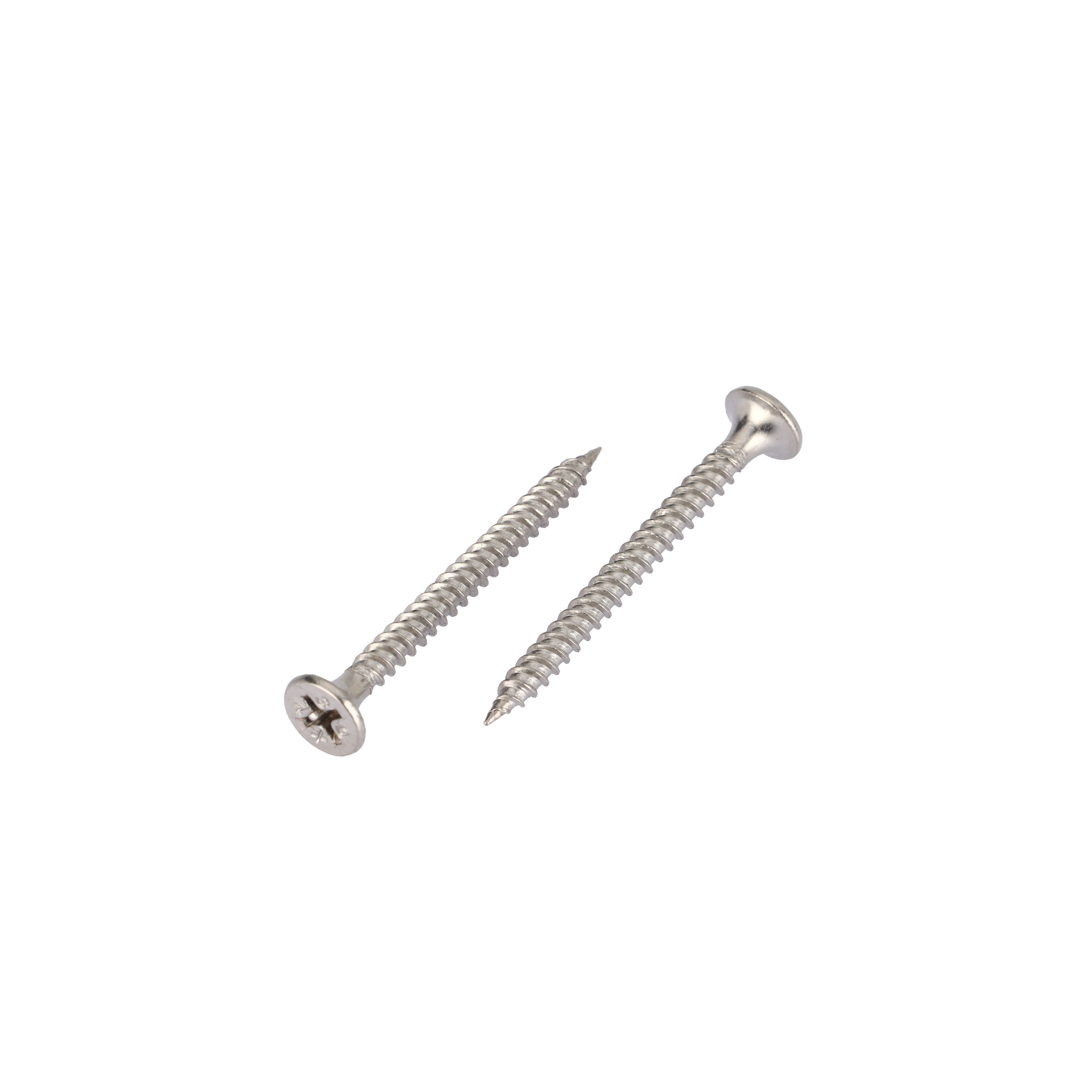
In engineering and construction, the integrity of a bolted joint is foundational to the safety and durability of the entire structure. When these joints are exposed to corrosive environments, the specification of appropriate anti corrosion bolts becomes a critical engineering decision with significant financial and safety implications. BOBFAST specializes in manufacturing anti corrosion bolts that serve as the first line of defense against environmental degradation, ensuring that structural connections retain their designed clamping force and performance over their intended service life.
The primary function of an anti corrosion bolt is to create a barrier between the steel substrate and corrosive elements. This is achieved through various coating technologies, each suited to specific environmental and mechanical demands. For heavy construction applications like steel-framed buildings, highway gantries, and utility towers, hot-dip galvanizing is often the standard. This process involves dipping the bolt into molten zinc, creating a thick, metallurgically bonded coating that provides both barrier and cathodic (sacrificial) protection. The resulting layer is exceptionally durable, capable of protecting the underlying steel for decades in atmospheric conditions, making it a cost-effective solution for large-scale infrastructure projects.
For applications where high tensile strength (e.g., Grade 8.8, 10.9) must be preserved alongside corrosion resistance, such as in suspension components for trucks and buses or critical connections in agricultural and forestry machinery, Dacromet coating presents a superior alternative. Unlike electroplating, the Dacromet process does not introduce hydrogen, thereby eliminating the risk of hydrogen embrittlement—a potential cause of sudden, brittle fracture in high-strength bolts. This zinc-aluminum flake coating is sintered onto the surface, offering excellent corrosion resistance (frequently exceeding 1000 hours in neutral salt spray tests) and good lubricity, which aids in achieving accurate and consistent clamp load during installation.
In the marine and offshore industries, anti corrosion bolts face perhaps the most aggressive conditions: constant saltwater immersion, splash zones, and high humidity. Here, a multi-layered approach is essential. Bolts may be manufactured from corrosion-resistant alloys or receive specialized duplex coating systems. For example, a combination of thermal diffusion zinc coating followed by a sealed organic topcoat can provide outstanding protection for fittings, railings, and equipment on ships, oil rigs, and port facilities. The choice of coating directly impacts maintenance cycles, operational safety, and total lifecycle cost of the asset.
Selecting the correct anti corrosion bolt extends beyond the coating. Engineers must consider factors such as galvanic compatibility with the connected materials (e.g., aluminum or stainless steel) to prevent bimetallic corrosion. The coating must also be suitable for the intended installation method; some coatings affect the friction coefficient (“k-factor”), which is crucial for torque-controlled tightening procedures to achieve the proper preload. At BOBFAST, our technical expertise guides this selection. Our R&D team, through partnerships with research institutions, stays at the forefront of corrosion science and fastener technology.
We invite you to contact BOBFAST for a detailed technical consultation. Provide us with the specifics of your application: the environmental class (e.g., C3, C5 per ISO 12944), the required mechanical grade, the mating materials, and any industry-specific standards. We will recommend and supply the optimal anti corrosion bolts engineered to secure your most challenging projects against the test of time and environment.
 EN
EN