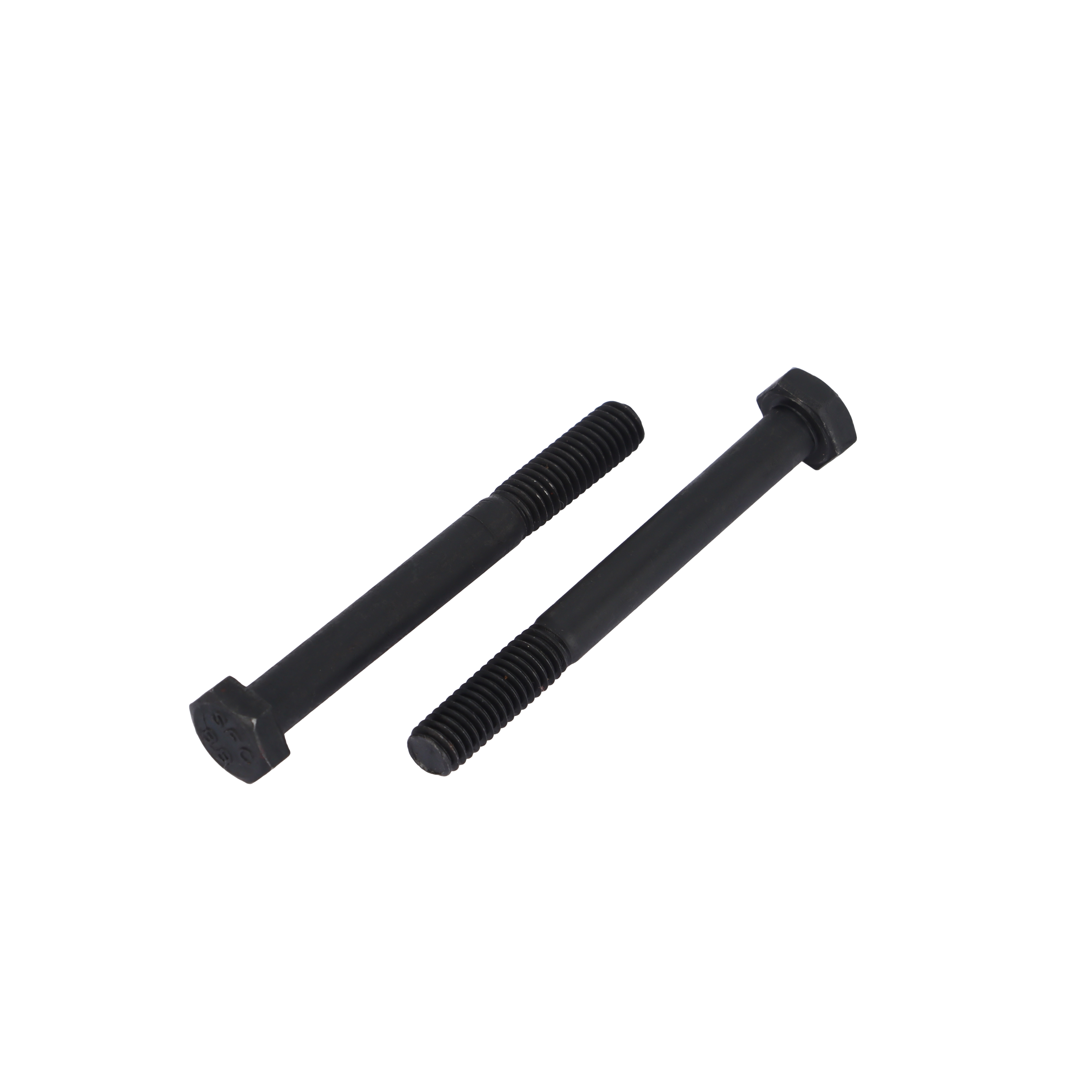
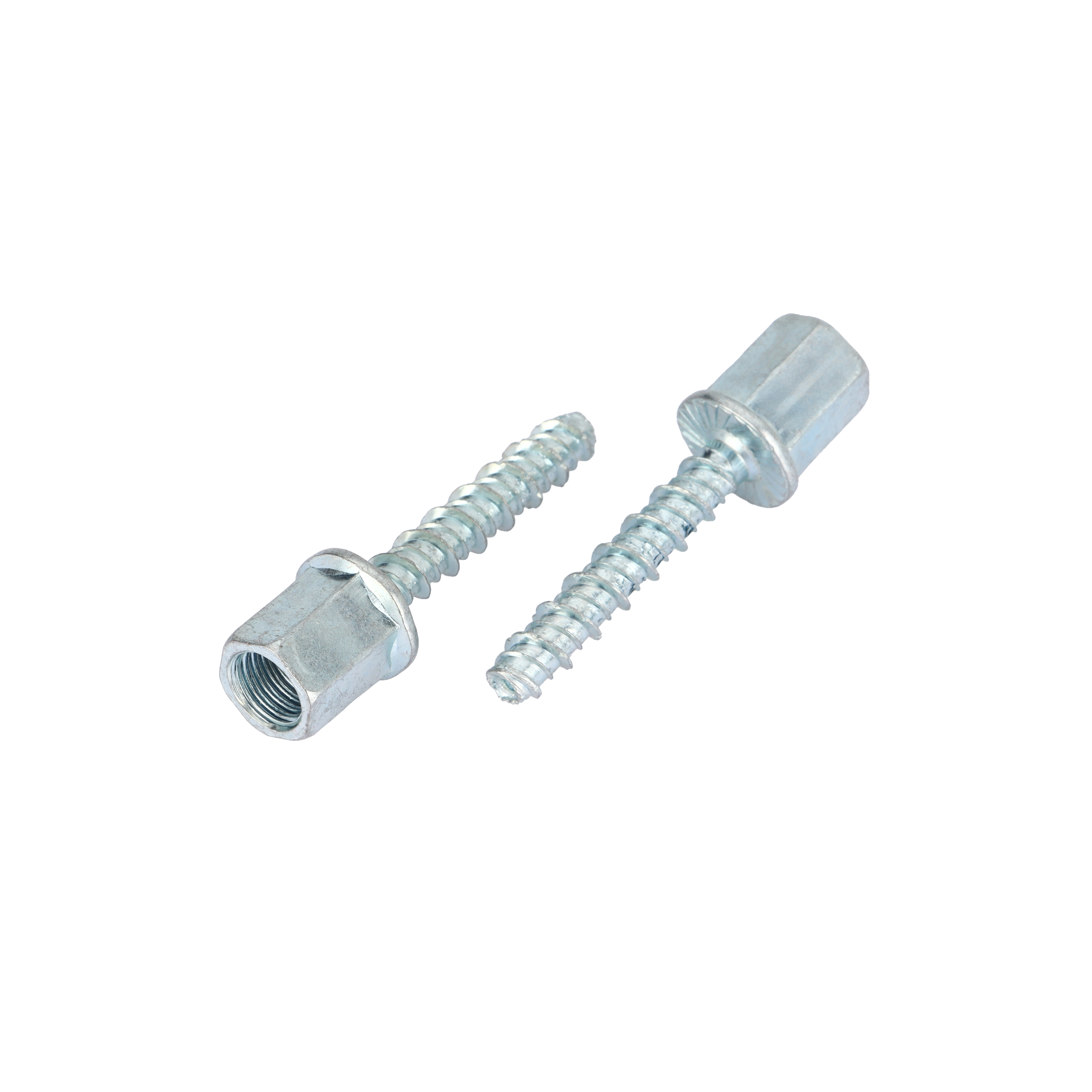
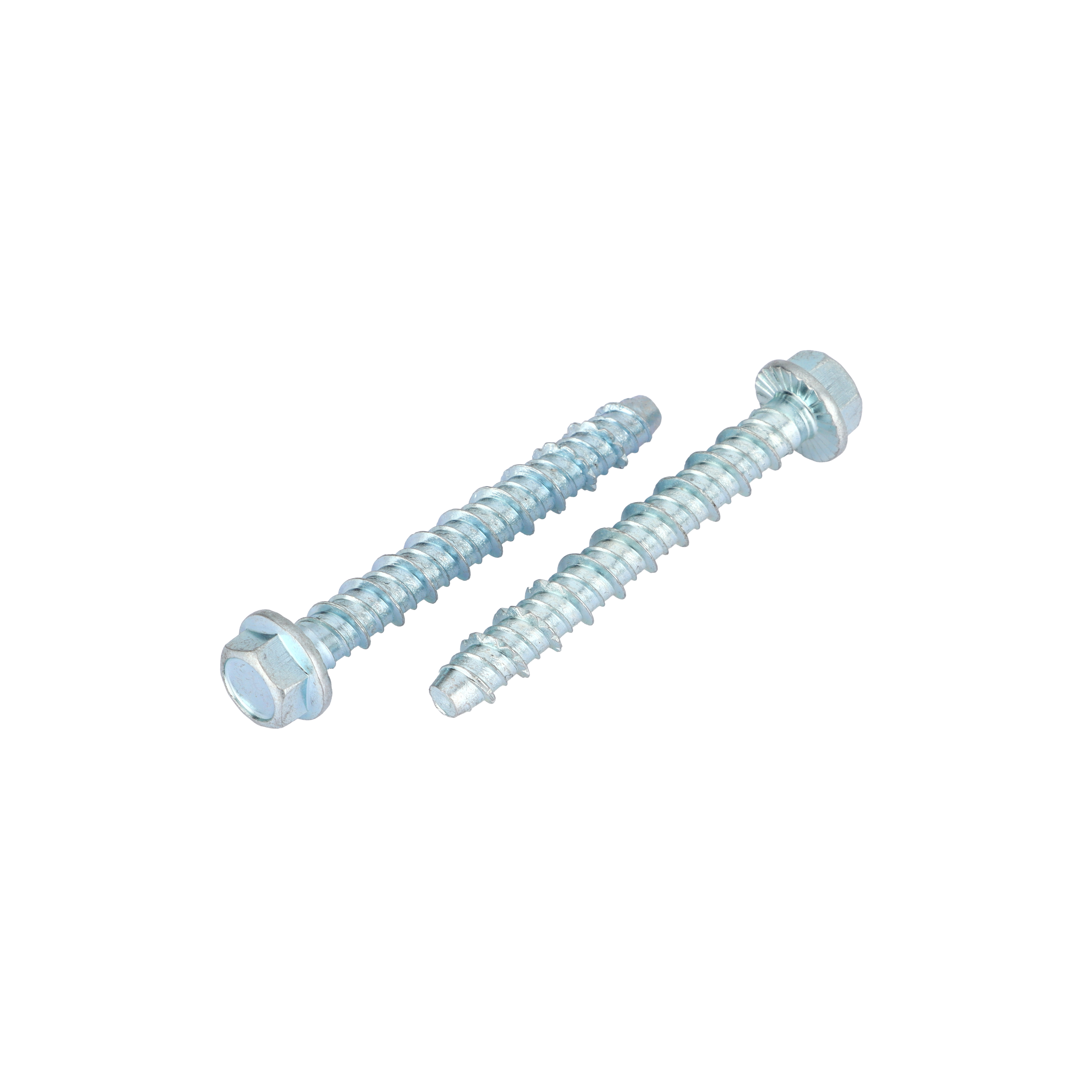
In the realm of structural and mechanical engineering, specifying High Tensile Bolts and Nuts is a deliberate choice for joints subjected to significant tensile, shear, and dynamic loads. The defining characteristic of these fasteners is their ability to be tightened to a high preload, creating clamping force that transfers loads through friction between the connected members, rather than through shear on the bolt shank. This design philosophy is central to slip-critical connections used in seismic bracing and steel construction. The performance of such a joint is a function of the bolt-nut pair as an integrated system, not as independent components. The High Tensile Bolt is manufactured from medium-carbon alloy steel, heat-treated through quenching and tempering to achieve a specific yield and ultimate tensile strength (e.g., 940 MPa for Grade 10.9). Its matching High Tensile Nut must be manufactured from a material of compatible grade and undergo a similar hardening process to achieve a higher proof load stress than the bolt’s tensile strength. This ensures the nut’s threads will not strip before the bolt reaches its ultimate failure point. The geometric precision of the threads—including pitch, depth, and flank angle—is also critical to ensure even load distribution across all engaged threads, minimizing stress concentrations that can lead to fatigue cracking.
The application of these matched systems is vast and mission-critical. In the construction of modern wind turbines, massive High Tensile Bolts and Nuts, often of M36 diameter or larger, are used to connect the tower sections and secure the rotor hub. These connections must withstand not only the immense static weight but also relentless cyclic loads from wind shear and turbine rotation, making fatigue resistance a paramount concern. Similarly, in bridge construction, high-strength bolt assemblies are used for splicing girders and connecting truss members. For these applications, assemblies are often hot-dip galvanized for corrosion protection, requiring careful control of the manufacturing process to avoid hydrogen embrittlement in the high-strength steel. Beyond infrastructure, these fastener systems are essential in mining equipment, where they assemble the frames of excavators and draglines, and in heavy-duty truck manufacturing for securing axles and suspension components. The failure of a single bolt-nut pair in any of these scenarios can lead to catastrophic operational failure, immense financial loss, and safety hazards.
At BOBFAST, our manufacturing of High Tensile Bolts and Nuts is guided by the principle of systemic reliability. Our professional R&D team of more than 50 people focuses on the metallurgical and mechanical compatibility of the pair. Our production, supported by advanced equipment, ensures dimensional consistency and precise heat treatment for both components. We offer these systems in various international standards, including ASTM, SAE, and ISO, and provide full traceability and material certification. Furthermore, recognizing that standard catalog items may not suit every project, we leverage our expertise in non-standard fasteners to produce custom bolt and nut sets. This includes manufacturing bolts and nuts from specific alloys for low-temperature applications, applying proprietary coatings for chemical resistance, or creating kits with specific pre-load indicators for critical assembly procedures. For detailed specifications, technical data sheets, and pricing on our standard or custom-engineered High Tensile Bolts and Nuts, we encourage you to contact our engineering support team for a comprehensive consultation and quote.
 EN
EN