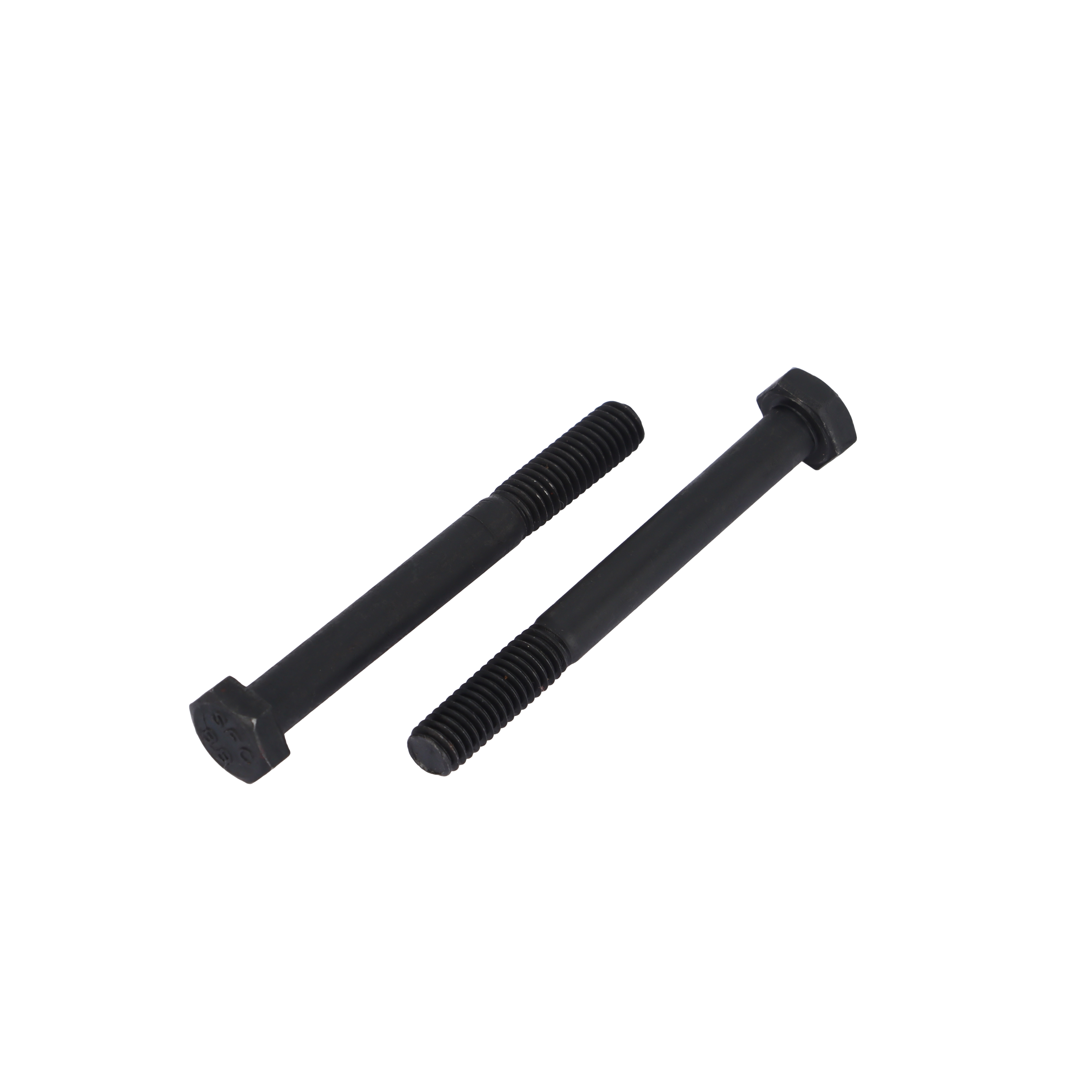
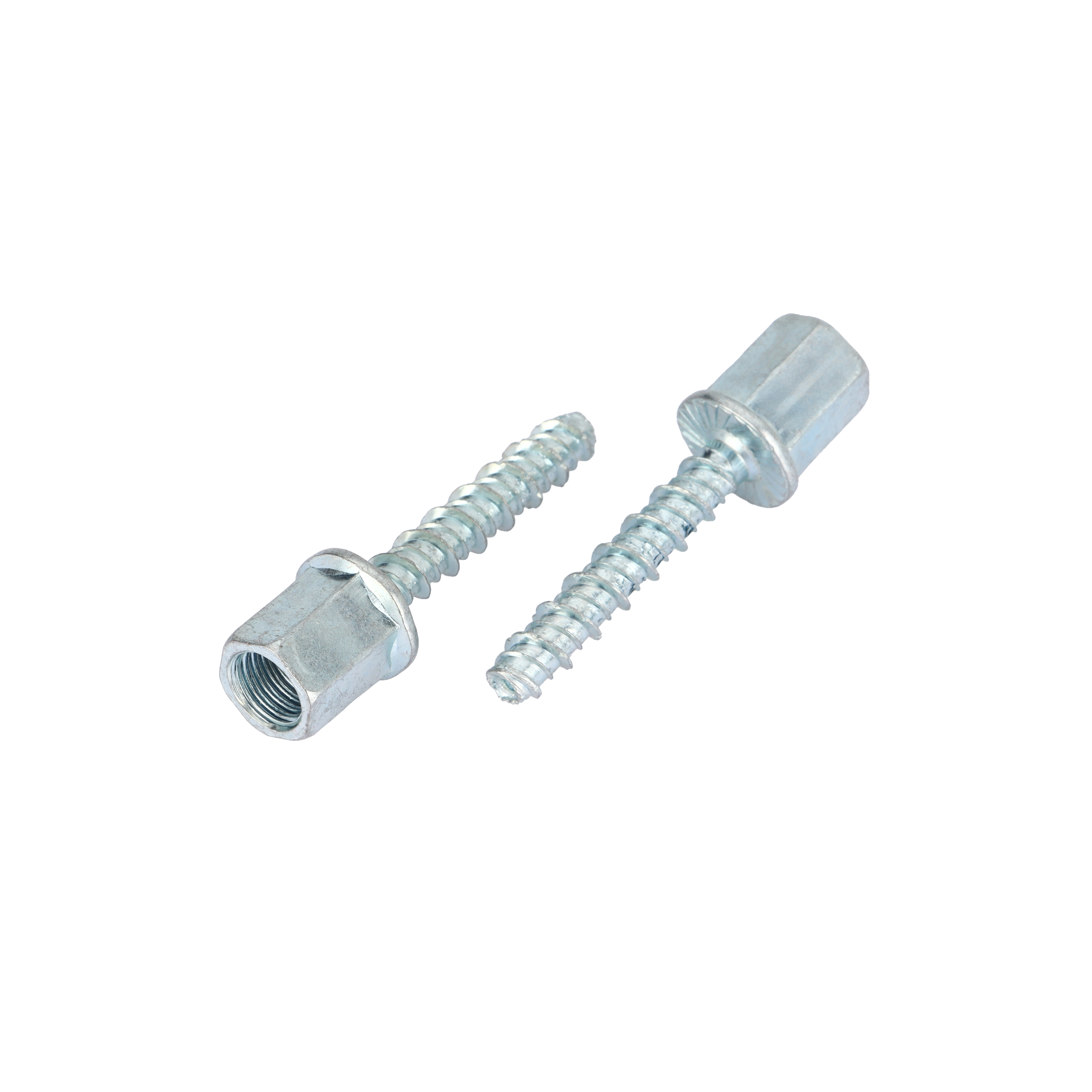
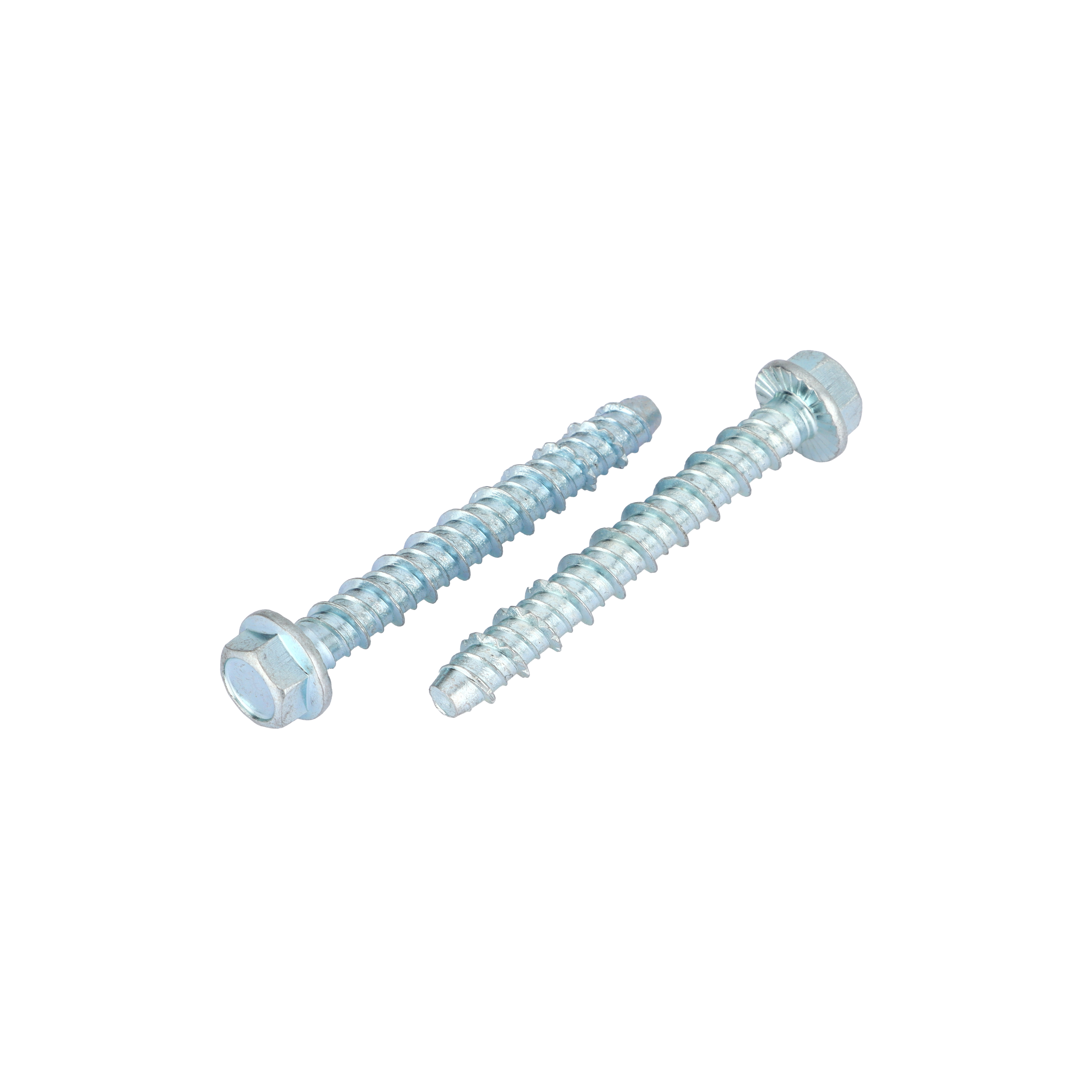
In the domain of mechanical and structural fastening, the HT Hex Bolt stands as a fundamental and critical component. The designation "HT" signifies High Tensile, a classification that immediately distinguishes these fasteners from commercial-grade bolts by guaranteeing a defined minimum tensile strength, yield point, and hardness. At BOBFAST, our production of HT Hex Bolts is governed by a deep understanding of materials science and a commitment to manufacturing consistency, ensuring these fasteners perform as engineered under significant static and dynamic loads.
The defining characteristic of an HT Hex Bolt is its material property class, most commonly denoted according to ISO 898-1 or similar standards. For instance, a Grade 8.8 bolt has a minimum tensile strength of 800 MPa and a yield strength of 640 MPa. A Grade 10.9 bolt offers 1000 MPa tensile and 900 MPa yield strength. Achieving these properties is not inherent to the steel alone; it requires a precise heat treatment regimen. After forging or machining to shape, the bolts undergo quenching—rapid cooling to form a hard, brittle martensitic structure—followed by tempering, a reheating process that carefully reduces brittleness while maintaining high strength and imparting necessary toughness. This balance is crucial; a bolt must be strong enough not to stretch or break under load, yet tough enough to absorb shock and vibration without fracturing.
The application of HT Hex Bolts is vast and pivotal across industries. In the construction and infrastructure sector, Grade 8.8 bolts are extensively used for structural steel connections, such as in beam-to-column joints, bracing, and prefabricated building frames. Their hex head design allows for the high installation torque required to achieve sufficient preload (clamping force), which is what actually locks the joint together and transfers loads through friction, not shear on the bolt shank. In heavy machinery and equipment manufacturing—for agricultural combines, mining equipment, or press machines—Grade 10.9 HT Hex Bolts are often specified for critical, high-stress connections like gearbox housings, bearing blocks, and structural weldments. The higher strength allows for the use of smaller diameter bolts to save space and weight, or provides a greater safety factor in existing designs.
The automotive industry is another major consumer of HT Hex Bolts, particularly in chassis, engine, and suspension assemblies. Here, bolts are subjected to complex cyclic loading from vibrations, cornering forces, and road impacts. A suspension linkage bolt, for example, must maintain its clamp force over millions of stress cycles to prevent loosening and catastrophic failure. This demands not only the correct strength grade but also precise thread rolling (which strengthens the threads compared to cutting) and often a compatible surface coating (like zinc flake) that does not induce hydrogen embrittlement—a risk that our controlled processes are designed to eliminate.
Selecting the correct HT Hex Bolt involves more than choosing a strength grade. Engineers must consider factors like the correct property class for the service temperature (some grades lose strength at elevated temperatures), the need for corrosion protection (which we can apply post-treatment), and the appropriate nut grade (a matching or higher-grade nut is required to ensure the threaded connection fails in the bolt, which is easier to detect, not by stripping the nut threads). At BOBFAST, our technical support extends to guiding these selections. We invite you to contact our engineering team for a detailed discussion. Provide your application parameters, including load types (static, dynamic, shock), environmental conditions, and required standards. We will specify and supply the optimal HT Hex Bolts engineered to secure the integrity of your most demanding assemblies.
 EN
EN