 EN
EN

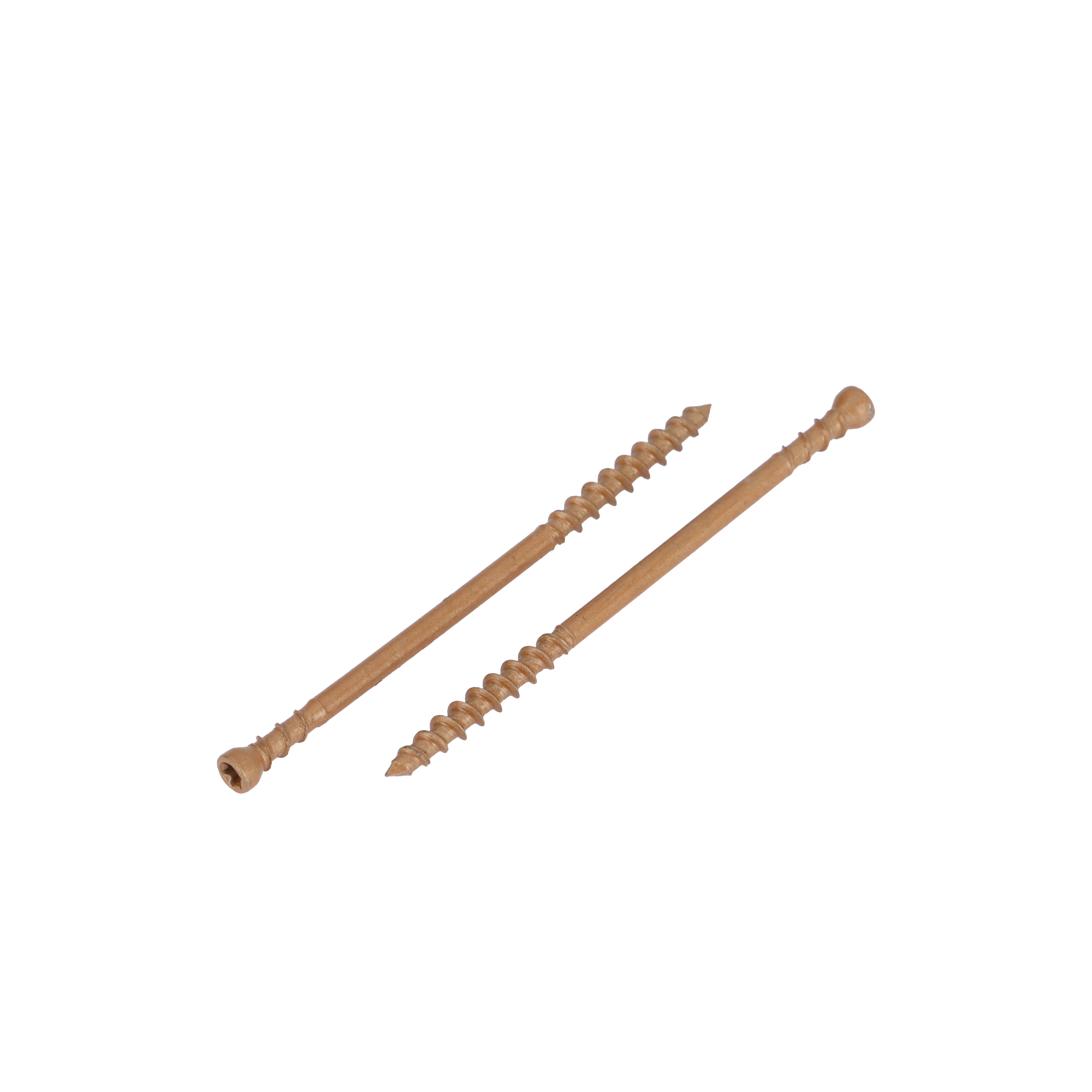
Understanding Quality Standards and Compliance for Fasteners Supplier Reliability
The Role of Standardization in Ensuring Quality for Fasteners Supplier
When it comes to fastener quality, standardization really lays the groundwork for consistent performance throughout different industries. Standards set out what materials should be used, how strong they need to be when pulled apart, and exactly how big or small each part has to measure. These rules help manufacturers create parts that can swap out for one another anywhere in the world while still meeting safety requirements. A recent look at fastener standards from 2024 shows something pretty interesting actually - bolts and screws that follow these guidelines tend to fail about 34% less often in tough conditions than those that don't stick to the standards. That makes a real difference in places where equipment failures could cause serious problems.
Key Fastener Standards (ASTM, DIN, ASME, ISO) and Compliance Requirements
Critical standards governing fasteners include:
- ASTM International: Specifies load-bearing capacities for construction fasteners
- DIN (Deutsches Institut für Normung): Defines precision threading for automotive applications
- ASME (American Society of Mechanical Engineers): Governs pressure vessel bolt integrity
- ISO (International Organization for Standardization): Ensures cross-border compatibility for aerospace components
Suppliers must provide mill test reports verifying compliance with these specifications, especially in sectors like energy generation where even a 0.01mm dimensional deviation can compromise structural integrity.
Adherence to Industry-Specific Specifications Across Aerospace, Automotive, and Construction
Aerospace fasteners require AS9100-certified titanium alloys capable of withstanding -55°C to 260°C thermal cycles. In automotive, ISO/TS 16949-compliant coatings are essential to prevent galvanic corrosion. For construction in seismic zones, anchors must meet ASTM F1554 Grade 105 standards, demonstrating 120% of specified yield strength during third-party audits.
Quality Management Systems (QMS) and Traceability in Fasteners Supplier Operations
Top manufacturers these days are putting in place ISO 9001 certified quality management systems that track materials all the way from production to delivery using either blockchain technology or RFID tags. With this system in place, each batch of M20 bolts can actually be traced right back to where the original steel coil came from. The process documentation includes everything from heat treatments down to how the surfaces were finished. Some recent research published last year showed some pretty impressive results too. Suppliers who had adopted digital tracking methods managed to handle quality issues around 63 percent quicker compared to companies still stuck with paper based record keeping. Makes sense really when we think about how much time gets wasted searching for information manually.
Role of Suppliers in Providing Certifications and Compliance Documentation
Good quality fastener suppliers come with all sorts of paperwork these days. They should have material test reports (MTRs) showing what's actually in the metal through spectrographic testing. Also important are salt spray test results that tell how well the fasteners stand up to rust over time. And don't forget those certificates proving they meet whatever standards apply in the country where the product is going to be used. Take ISO 9001 certified companies for instance. These folks keep their compliance documents fresh when new rules pop up like the EU Machinery Directive 2006/42/EC or changes under the US Fastener Quality Act. This kind of preparation really helps cut down on customs holdups during international shipments. Some companies report getting their goods through borders up to 82% faster thanks to this approach, which makes a huge difference in big global projects where timing matters.
Evaluating Certifications and Operational Integrity Beyond Paperwork
Essential Certifications That Define a Reliable Fasteners Supplier
Good suppliers usually have those big name certifications everyone talks about, like ISO 9001:2015 for managing quality and IATF 16949 specifically for parts made for cars. What does this mean? Well, they need to go through yearly checks by outside auditors, keep detailed records of everything produced, and maintain defect rates under 0.65% when it really matters. The aerospace and defense sectors look at something called Nadcap instead, which basically confirms they follow AS9100D standards. This covers tracking where materials come from and making sure processes work properly. But here's the catch - just having these papers doesn't guarantee perfection. Some recent research found that around one out of every four certified suppliers still get caught during actual customer inspections because their testing procedures are behind the times.
Supplier Reliability: Validating Compliance Beyond Issued Certificates
Real compliance isn't just about paperwork matching what happens on the shop floor. When a supplier says they have ISO 14001 certification, they need to show actual proof of efficient hardening methods and keep those waste recycling numbers above 85%. Smart procurement teams don't wait for scheduled visits either. They roll up unexpectedly looking at things like current calibration records for torque testing gear, checking if material certificates really match those heat numbers stamped on parts, and verifying staff actually got trained on ASME BPVC standards. More and more customers are asking to see detailed supply chain reports these days too. These documents track how well subcontractors are monitored throughout production. The reality? About two thirds of fastener makers still haven't built this kind of visibility into their operations.
Industry Paradox: Certified Yet Non-Compliant—What Red Flags to Watch For
When there are gaps between what's certified and what actually happens, it usually points to bigger problems lurking beneath the surface. Take expired test equipment certifications for instance, like those non-NIST traceable micrometers that still get used despite being out of date. Then there's the whole mess with lot numbers not matching up across different documents packaging, invoices versus test reports creates confusion at best and fraud opportunities at worst. And let's not forget how many companies rely solely on their own data claims without anyone else checking them. A recent survey from last year showed something alarming about 41 percent of suppliers who claimed certification were actually substituting approved materials in their high strength bolts just to save money these substitutions slip right past regular document checks. Companies wanting to stay ahead of risks need to ask for actual video footage of production processes and insist on seeing SPC charts specifically for parts where dimensions matter most. This adds another layer of accountability beyond paper trails alone.
Assessing Quality Control, Testing, and Defect Prevention in Supply Chains
End-to-End Quality Control: From Raw Material Sourcing to Final Product Inspection
Reliable suppliers enforce layered quality checks from raw material intake to final inspection. Over 63% of manufacturing defects originate from substandard materials (ASC Software 2023), making initial metallurgical testing crucial. Advanced suppliers use spectral analysis to confirm alloy composition before machining begins, ensuring hardness, tensile strength, and corrosion resistance meet specifications.
Fastener Testing Under Critical Performance Conditions (Temperature, Load, Corrosion)
Aerospace-grade fasteners undergo rigorous simulated stresses:
- Thermal cycling (-65°F to 500°F) to assess expansion/contraction tolerance
- Salt spray testing replicating 20 years of corrosion in just 1,000 hours
- Shear load testing up to 250% of maximum rated loads
These tests validate long-term reliability under extreme operational conditions.
Failure Prevention Through Rigorous Inspection and Process Validation
Progressive suppliers combine automated optical inspection (AOI) with Failure Mode and Effects Analysis (FMEA) to detect and eliminate threading errors and head deformities. Statistical Process Control (SPC) monitors defect trends in real time, triggering corrective actions when measurements exceed ±3σ limits, ensuring consistent output.
Case Study: How a Leading Aerospace Fasteners Supplier Reduced Defect Rates by 40%
By integrating predictive maintenance tools and Total Productive Maintenance (TPM) principles, one supplier eliminated inspection bottlenecks responsible for 22% of delayed shipments. Cross-functional teams applied Root Cause Analysis (RCA) to optimize their CNC machining workflow, achieving zero critical defects over 18 consecutive months.
Managing Global Supply Chain Risks with Strategic Inventory and Collaboration
Supply Chain Risks in Global Fasteners Sourcing and Mitigation Strategies
The world of fastener sourcing is getting increasingly tricky right now. About one third of manufacturers saw their shipments delayed last year because of all the geopolitical stuff going on, and nearly a third had trouble predicting how much they actually needed. Smart companies are fighting back against these problems in several ways. Many have started working with multiple suppliers at once, keeping around half their materials stocked from different places just in case something goes wrong. Some big players are also adopting blockchain technology for their supply chains, which helps cut down unpredictable wait times by almost two weeks on average. And let's not forget about those systems that track everything in real time during shipping. These tools allow businesses to react much quicker when there are holdups at ports or customs checks, sometimes cutting response times by over three quarters compared to before.
Inventory Strategy: Just-in-Time vs. Bulk Procurement Trade-offs
| Approach | Best For | Risk Exposure | Cost Impact |
|---|---|---|---|
| Just-in-Time | High-mix, low-volume aerospace | Stockouts during delays | 12-18% lower carrying costs |
| Bulk Orders | Commodity construction fasteners | Obsolescence (14% avg.) | 22% higher storage |
Hybrid models now prove most effective—maintaining 2-month safety stock for high-demand SKUs while applying JIT to specialty items—reducing total costs by 9%.
Emerging Trends: Digital Twins and Predictive Inventory Modeling for Fasteners
In 2023, leading suppliers managed to slash their excess stock by around 33% thanks to digital twin tech that simulates what happens when tariffs change or suppliers go offline. The machine learning stuff works pretty well too - companies tracking demand trends over 12 months get about 89% accuracy in predicting how many bolts and nuts they'll need next quarter. According to recent research from the logistics world back in 2024, businesses saved roughly $17 per unit on those expensive last-minute air shipments simply by figuring out where to place warehouses smarter. What makes all this possible? These digital tools let suppliers and customers actually work together better, securely exchanging live data about what's being used day to day across different locations.
Building Long-Term Relationships Through Communication and Industry Expertise
Overcoming Time Zone and Language Barriers With International Fasteners Suppliers
Effective global collaboration requires structured communication. Leading manufacturers report 34% faster issue resolution when using shared digital platforms with built-in translation and synchronized timelines. Weekly video briefings during overlapping business hours (typically 7–9 AM GMT) maintain alignment, while bilingual technical documentation minimizes misinterpretation of fastener specifications.
Proactive Engagement to Resolve Fastener Sourcing Challenges
Top procurement teams conduct quarterly supplier capability audits to address bottlenecks before they impact production. A 2024 industry survey revealed suppliers offering real-time inventory dashboards and dedicated engineering contacts reduce production delays by 29%. Regular strategy sessions on evolving needs—such as rising demand for titanium fasteners—enhance collaborative problem-solving.
Best Practices for Building Trusted Supplier Partnerships
Three elements define successful fastener supplier relationships:
- Performance Transparency: Shared metrics tracking delivery accuracy (±2% tolerance) and defect rates
- Joint Development: Co-designing custom fastener solutions for specific applications
- Risk-Sharing Models: Flexible payment terms during raw material price fluctuations
Companies with partnerships lasting five years or more achieve 18% lower total ownership costs, according to ASME supply chain analyses.
Why 78% of Engineering Teams Prioritize Industry-Specific Fasteners Supplier Expertise
Specialized suppliers deliver superior outcomes in mission-critical applications. Automotive manufacturers using domain-specific partners report 40% fewer warranty claims related to fastener failures. This expertise is vital when navigating complex or evolving standards such as NASA-STD-5020 for spaceflight threaded fasteners or ISO 898-1 updates for carbon steel bolts.
Table of Contents
-
Understanding Quality Standards and Compliance for Fasteners Supplier Reliability
- The Role of Standardization in Ensuring Quality for Fasteners Supplier
- Key Fastener Standards (ASTM, DIN, ASME, ISO) and Compliance Requirements
- Adherence to Industry-Specific Specifications Across Aerospace, Automotive, and Construction
- Quality Management Systems (QMS) and Traceability in Fasteners Supplier Operations
- Role of Suppliers in Providing Certifications and Compliance Documentation
- Evaluating Certifications and Operational Integrity Beyond Paperwork
-
Assessing Quality Control, Testing, and Defect Prevention in Supply Chains
- End-to-End Quality Control: From Raw Material Sourcing to Final Product Inspection
- Fastener Testing Under Critical Performance Conditions (Temperature, Load, Corrosion)
- Failure Prevention Through Rigorous Inspection and Process Validation
- Case Study: How a Leading Aerospace Fasteners Supplier Reduced Defect Rates by 40%
- Managing Global Supply Chain Risks with Strategic Inventory and Collaboration
- Building Long-Term Relationships Through Communication and Industry Expertise

