 EN
EN

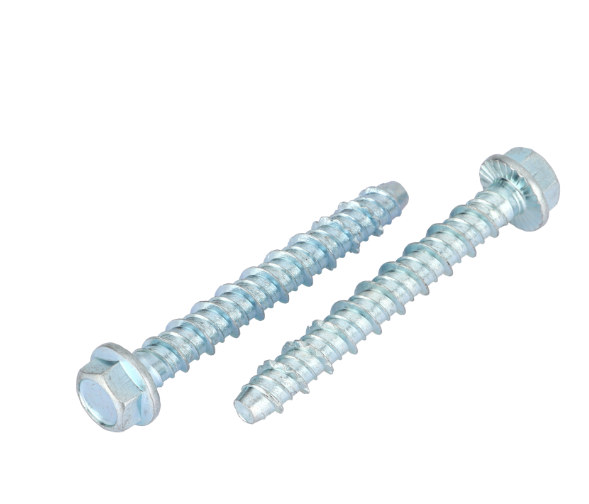
Understanding High Tensile Bolts: Strength, Grades, and Identification
Key mechanical properties: tensile strength, yield strength, toughness, and ductility
The reliability of high tensile bolts comes down to four key mechanical properties working together. First off, tensile strength refers to how much stress a bolt can take before it breaks completely. Then there's yield strength, which marks when the metal starts to permanently bend instead of just stretching back. Toughness measures how well the bolt resists cracks spreading when hit hard, while ductility tells us how much it can stretch or deform before finally giving way. Take grade 8.8 bolts for example these typically handle around 800 MPa of tensile force and about 640 MPa before yielding. These numbers matter a lot in real world situations such as building bridges or putting together wind turbines where failure isn't an option. The combination of all these properties makes them suitable for applications where safety is absolutely critical.
Common high tensile bolt grades (8.8, 10.9, 12.9) and their performance specs
ISO-standardized grades define performance via numeric head markings, reflecting minimum tensile and yield strengths:
| Grade | Tensile Strength (MPa) | Yield Strength (MPa) | Typical Applications |
|---|---|---|---|
| 8.8 | 800 | 640 | Structural connections, machinery frames |
| 10.9 | 1,040 | 900 | Automotive suspensions, heavy equipment |
| 12.9 | 1,220 | 1,080 | Aerospace components, precision engineering |
Higher grades offer greater load-bearing capacity but demand precise installation–including controlled torque, surface preparation, and avoidance of over-tensioning–to mitigate brittle fracture risk.
How to identify high tensile bolts using head markings and grade indicators
Identification relies on standardized head markings. ISO-compliant bolts display numeric grades (e.g., “10.9”) or radial lines:
- Six radial lines indicate grade 8.8
- Nine lines denote grade 10.9
- Twelve lines correspond to grade 12.9
ASTM equivalents use alphanumeric stamps (e.g., “A325” or “A490”), while SAE Grade 8 bolts feature six radial hash marks. Always cross-check markings against certified mill test reports–counterfeit fasteners with forged engravings pose serious risks in critical joints such as seismic bracing or offshore platforms.
Comparing International Standards for High Tensile Bolts
Overview of ISO, ASTM, and SAE standards for high tensile bolts
The world of big industry relies heavily on standardized specs so everything works reliably and stays safe. Take ISO 898-1 for instance. This standard sets the rules for those metric high tension bolts we see everywhere. It covers all sorts of details for different bolt grades like 8.8, 10.9, and 12.9 including things like how strong they are when pulled apart versus when bent, their hardness levels, plus what tests need to be done. Across North America there's another set of standards at play too. The ASTM folks have their own specs listed as A325, A490, A354 while SAE Grade 8 handles similar territory but in imperial measurements instead of metric. Why does this matter? Well these standards basically create common ground across the board for testing procedures, tracking where materials come from, and making sure quality checks happen properly. And let's face it, this kind of consistency is absolutely essential when building structures that will deal with constant movement forces, earthquakes shaking things around, or just plain old harsh weather conditions day after day.
Key standards: ISO 898-1, ASTM A490, A354, and SAE Grade 8 compared
Selection hinges on regional compliance, load profile, and service environment. The table below highlights comparative mechanical benchmarks:
| Standard | Tensile Strength | Yield Strength | Common Applications |
|---|---|---|---|
| ISO 898-1 10.9 | 1,040 MPa | 900 MPa | Industrial equipment, presses |
| ASTM A490 | 1,220 MPa | 1,100 MPa | Bridges, seismic structures |
| ASTM A354 | 1,200 MPa | 1,080 MPa | Power transmission towers |
| SAE Grade 8 | 1,500 MPa | 1,300 MPa | Heavy machinery, engines |
When dealing with corrosive environments such as offshore oil rigs or chemical processing facilities, stainless steel options like ASTM F3125 Grade A4 or ISO 3506-1 A4 offer better protection against chlorides while maintaining their structural integrity. Wind turbine installations represent another critical area where these materials shine. According to recent industry standards from ASCE 2023, ASTM A325 bolts can withstand over 100 thousand loading cycles at around 75% of their proof load before showing signs of fatigue failure. Checking bolt markings is absolutely crucial for proper identification. Look for the number 10.9 stamped on ISO certified fasteners, while SAE Grade 5 bolts will have three radial lines marked on their heads, and Grade 8 bolts display six such lines. These markings help ensure we're using the right hardware for each specific application.
Material Selection for High Tensile Bolts in Industrial Applications
Choosing between alloy steel, stainless steel, and special alloys based on environment
When picking materials for industrial applications, engineers need to consider what kind of environment they'll face and what stresses will be applied over time. Stainless steels, especially the ISO 3506-1 A4 type (also known as 1.4401), work really well against corrosion in places like offshore platforms or chemical plants where saltwater and harsh chemicals are common. These steels can handle pretty intense forces too, standing up to around 800 MPa of tension. If things get hot though, say above 400 degrees Celsius in turbine parts for power plants, we turn to chromium molybdenum alloys like ASTM A193 B7. These special steels don't deform under prolonged heat stress and keep their grip strength intact even when temperatures climb. For super cold conditions found in LNG storage tanks or Arctic pipeline systems, nickel containing steels become necessary. The ASTM A320 L7M grade maintains enough impact resistance (at least 27 Joules according to Charpy tests) down to minus 100 degrees Celsius. Real world testing by NACE shows that regular carbon steel bolts used along coastlines corrode and break down about three times quicker than their corrosion resistant counterparts. This highlights why cutting corners on material specs can lead to costly failures down the line.
Common high-performance materials: 42CrMo, B7, and 40CrNiMo
Three alloy systems dominate high-stress industrial use due to their tailored property profiles:
| Material Designation | Key Properties | Typical Application Range |
|---|---|---|
| 42CrMo | 1000–1200 MPa tensile strength | Heavy machinery mounting systems |
| ASTM B7 | Sustained performance to 650°C | Petrochemical reactor vessels |
| 40CrNiMo | –100°C impact resistance (Charpy V–27J) | Arctic pipeline flange connections |
The steel grade 42CrMo strikes a good balance between strength properties and how easy it is to machine, making it suitable for most heavy duty applications out there. When it comes to B7 bolts, these really shine during repeated heating and cooling cycles because they maintain their shape better and resist hydrogen embrittlement issues that can cause failures. For parts needing to work at very cold temperatures, 40CrNiMo becomes important since its nickel content helps prevent fractures when things get below freezing point. This addresses exactly what goes wrong in many low temperature piping systems according to industry standards like ASME B31.3. Speaking of standards, anyone working with these kinds of materials needs proper documentation following either ISO 10474 or EN 10204 3.1 requirements so we know exactly where everything came from and meets all necessary specifications.
Matching High Tensile Bolts to Application Requirements
Industry-Specific Needs in Oil & Gas, Wind Energy, Construction, and Automotive
The specific needs of different applications determine which bolts get selected throughout various industries. For offshore oil and gas platforms, engineers typically go with grade 10.9 or ASTM A490 bolts, often paired with those special duplex stainless washers. These combinations help fight off the relentless attack from seawater and prevent those annoying vibrational loosening issues that can cause major headaches down the line. When it comes to wind turbine foundations, grade 12.9 bolts are the standard choice because they handle all that repetitive stress so well. Their fatigue life has been tested according to IEC 61400-1 standards, which gives everyone peace of mind. Bridge builders stick with ASTM A490 bolts when anchoring structural steel components since they need to hold up against both regular static loads and unpredictable earthquakes. Meanwhile, car manufacturers opt for grade 8.8 bolts in suspension systems where they balance fatigue resistance with keeping things lightweight. What we see across all these sectors is that nobody wants to compromise on strength, but there's always this extra layer of concern about how well materials will stand up to their environment over time.
Ensuring Structural Integrity: Load Capacity, Fatigue Resistance, and Bolt Selection
Structural integrity depends on rigorous alignment between bolt specification and real-world loading conditions. Critical considerations include:
- Applying a minimum 25% safety margin between bolt tensile strength and peak operational load
- Selecting fatigue-rated bolts (e.g., ASTM A325 or ISO 898-1 10.9+) for cyclic or vibratory service
- Avoid hydrogen embrittlement in high-pressure, high H â S environments by specifying coatings that comply with ASTM A320 L7M or ISO 15544 standards
Always pair bolts with calibrated torque control, proper thread lubrication, and compatible locking systems. Undertightening compromises joint stiffness and promotes fretting wear; overtightening–especially with grade 12.9 bolts–risks catastrophic brittle fracture. Final verification should include ultrasonic bolt elongation measurement or direct tension indication where preload accuracy is mission-critical.

