 EN
EN

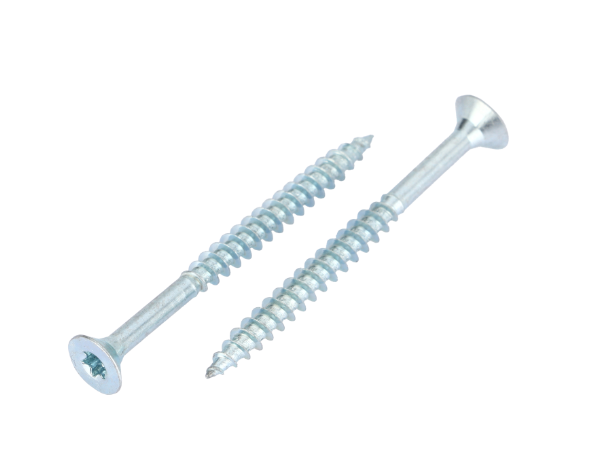
Understanding Material Properties and Their Impact on Self-Tapping Screw Performance
Hardness, Ductility, and Thermal Expansion: Why Substrate Behavior Dictates Screw Choice
The way materials behave really impacts how well self tapping screws work. When it comes to hardness, harder materials like stainless steel need special thread cutting screws with those sharp points that actually cut through the metal instead of just pushing it around. Softer stuff such as plastic or aluminum works better with thread forming designs that push the material aside rather than breaking it. What about ductility? Take brass for instance its ability to bend makes for good thread holding power, but this same quality also means the threads are more likely to strip out when there's lots of vibration or too much tightening force applied. Thermal expansion matters too. Aluminum expands quite a bit at 23 micrometers per meter per degree Celsius according to ASTM standards. This expansion and contraction over time can actually loosen up those tight fits between different materials in a joint. For engineers working on these connections, matching the screw specs like threads per inch, the angle of the sides, and the tip shape to what the base material can handle becomes absolutely critical if they want their joints to stay secure long term.
Plastics, Aluminum, Brass, and Composites: Key Mechanical Constraints for Self-Tapping Screws
Each material group imposes distinct mechanical constraints that dictate screw selection:
- Plastics: Brittle polymers (e.g., acrylic, polycarbonate) require blunt-tipped, thread-forming screws to minimize radial stress and prevent cracking; reinforced plastics (e.g., glass-filled nylon) need cutting flutes to shear fibers cleanly and avoid delamination.
- Aluminum: Low shear strength demands coarse threads and wide flank angles to maximize load distribution and resist pull-out—especially critical in thin-gauge sheet metal.
- Brass: High ductility supports aggressive thread engagement but mandates strict torque control to prevent head stripping or thread deformation.
- Composites: Carbon-fiber laminates are highly sensitive to drilling torque and chip buildup; low-torque, high-ejector designs with optimized flute geometry are essential to suppress delamination.
Thermoset composites, for example, tolerate only ~30% of the drive torque suitable for thermoplastics before interlayer failure occurs—underscoring the need for material-specific fastener protocols.
Self-Tapping Screw Types: Thread-Forming vs. Thread-Cutting for Optimal Material Engagement
When to Choose Thread-Forming Screws (e.g., for Thermoplastics and Soft Metals)
Thread forming screws work differently from regular fasteners because they actually compress the material instead of cutting away at it. This creates really tight connections that resist vibrations, making them great for things like ductile thermoplastics such as ABS and LDPE, plus some softer aluminum alloys and specific types of brass. The way these screws form threads through displacement gives them strong resistance against pulling out, plus no chips get created during installation which matters a lot when working inside sealed electronic housings or medical equipment. But there's a catch too. When used on brittle materials or those with poor ductility like acrylic or POM plastics, applying too much torque can lead to cracks right away or create hidden stress points that might fail later. Take low density polyethylene for example. Getting the torque just right here is absolutely critical. Even small mistakes in tightening can cut the lifespan of the joint down by around two thirds. These particular screws tend to perform best in situations where the part won't need to be taken apart again and the material properties are already pretty well understood.
When to Choose Thread-Cutting Screws (e.g., for Harder Metals, Fiberglass, and Reinforced Plastics)
Thread cutting screws come equipped with those sharp ground edges plus special chip clearing flutes, which makes them really important for working with tough, scratchy materials like stainless steel, cast iron, fiberglass stuff, and even those reinforced thermoset plastics. These screws actually cut through material instead of just pushing it aside, so they help reduce the internal stress buildup in things that break easily or have mixed composition materials. This means fewer cracks forming while installing components. The aerospace industry relies heavily on this capability because clean repeating threads in carbon fiber laminates are critical for maintaining structural strength when subjected to repeated loading cycles. But here's something worth noting: these precision threads aren't meant to be used multiple times. If someone tries to put the same screw back in after removal, the thread quality tends to degrade pretty quickly. Most engineers will reach for thread cutting screws specifically when dealing with situations where different materials expand at different rates, such as connecting aluminum parts to plastic ones, or whenever the material being worked on is harder than around 150 HB on the hardness scale.
Critical Design Parameters of Self-Tapping Screws for Reliable Fastening
Point Geometry, Pilot Hole Requirements, and Shank-to-Thread Ratio by Material Group
The shape of the tip determines how a fastener first gets into material. Sharp gimlet points cut right through metals without much fuss. When working with plastics or wood though, those blunt or trilobe tips come in handy because they stop the material from splitting apart. For thin sheet metal jobs, stepped or pilot point designs help keep everything lined up properly during installation. Getting that pilot hole just right matters a lot too. We've seen in our shop that even a tiny ±0.1 mm mistake when drilling into cast aluminum can raise the chance of threads coming loose by almost half according to Fastener Tech Review from last year. And don't forget about the shank to thread ratio either. This little detail actually affects both how stable the joint stays over time and the amount of pressure applied to hold things together securely.
| Material | Optimal Ratio | Function |
|---|---|---|
| Hardwoods | 1:3 | Minimizes grain splitting |
| Sheet metal | 1:1 | Distributes shear stress evenly |
| Reinforced plastics | 2:1 | Limits radial cracking and delamination |
A longer unthreaded shank enhances lateral stiffness in brittle composites, while a higher thread-to-shank ratio improves pull-out resistance in softwoods and foams.
Head Style, Drive Type, and TPI Optimization for Wood, Metal, Drywall, and Composite Applications
The head design of fasteners plays multiple roles in real world applications. Flat heads work best when we want that clean, level finish on exposed metal surfaces. For weaker materials such as drywall or those thin composite panels, pan and truss heads offer better support because they spread out the load over a larger area. Speaking of drive types, Torx screws really stand out here. They transfer more torque and cut down on cam-out issues by around 30% compared to old school Phillips heads, especially important when working with tough metals like stainless steel according to Fastener Tech Review from last year. When it comes to threads per inch (TPI), matching them to what we're fastening matters a lot. Softwoods and thermoplastic materials generally need something in the 9 to 12 TPI range for good grip depth. But if dealing with thin sheet metal or stronger composite materials, going up to 18-24 TPI helps maintain enough threads without breaking under stress. What many people overlook though is that keeping steady pressure during installation isn't just about reaching the right torque number at the end. Maintaining consistent force throughout actually preserves the integrity of the threads in every material type.
Avoiding Common Selection Mistakes with Self-Tapping Screws
Material compatibility issues are still at the top of the list when it comes to why fasteners fail early on. Regular self tapping screws meant for mild steel or everyday plastics just don't cut it when dealing with harder metals or modern composite materials. These standard screws typically miss out on having the right tip shape, proper side angles, or suitable flute designs required for tougher applications, which leads to problems like stripped threads, substrate cracks, or uneven clamping force. And let's not forget about those tiny mistakes in pilot holes either. Even a slight deviation from specs between 0.1 to 0.3 mm can slash pull out strength by more than 30% in certain plastic materials. Weather conditions make things worse too. Carbon steel screws without coatings tend to rust about eight times quicker compared to their stainless counterparts in damp or salty environments, which speeds up how joints break down over time. Common mistakes happen all the time during installation processes.
- Using thread-forming screws in inherently brittle substrates (e.g., cast iron, acrylic, or ceramic-filled composites)
- Neglecting thermal expansion mismatch, especially in metal and plastic components, differential motion can lead to preload losses
- Specifying oversized heads that concentrate stress in thin or low-modulus materials
Active verification, including substrate specific torque calibration, via verification, and accelerated environmental testing, can prevent these failures. According to the "Fastener Failure Analysis" (2023), material mismatch accounts for 15% of fastener related product recalls, making early material awareness selection not only the best practice but also a critical quality gate.
Table of Contents
- Understanding Material Properties and Their Impact on Self-Tapping Screw Performance
- Self-Tapping Screw Types: Thread-Forming vs. Thread-Cutting for Optimal Material Engagement
- Critical Design Parameters of Self-Tapping Screws for Reliable Fastening
- Avoiding Common Selection Mistakes with Self-Tapping Screws

