 EN
EN

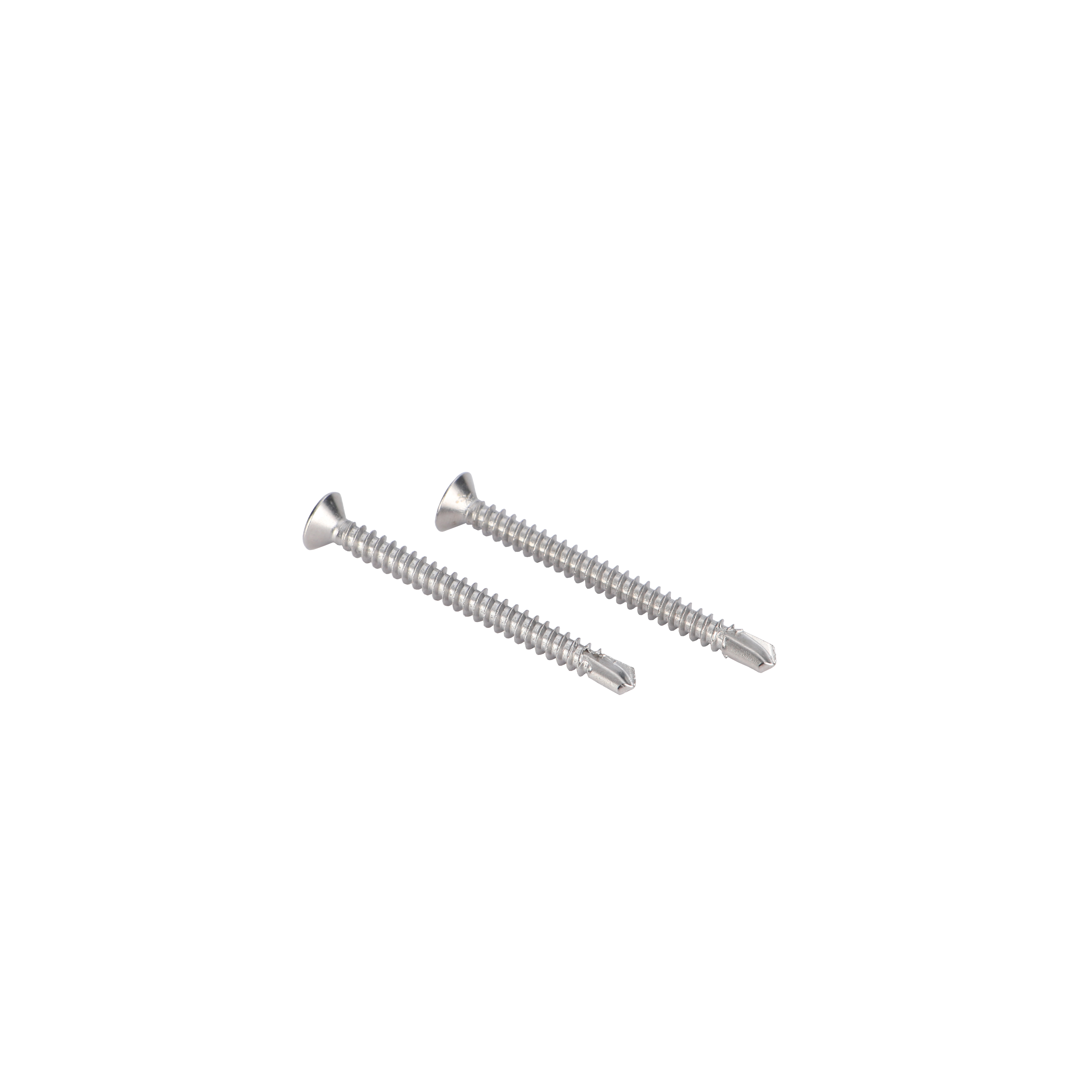
Global Harmonization: ISO Standards and Their Real-World Customs Impact
Why ISO 898, ISO 4014, and ISO 4017 Are Foundational—but Not Sufficient—for Export Fasteners
Standards like ISO 898 for mechanical properties, ISO 4014 covering hexagon head bolts, and ISO 4017 dealing with hexagon head screws set the benchmark for export fasteners worldwide. These specs help manufacturers hit those key measurements, strength requirements, and performance levels needed to sell products in all 167 countries that are part of the ISO family. While this standardization definitely cuts down on technical roadblocks before products even reach markets, it doesn't cover everything customs officials need. More and more government agencies want extra proof beyond what's in the core standards. They're asking for things like tracking where specific batches of materials came from, testing how well components resist rust, or getting test reports tied directly to heat codes used during production. According to some recent research from last year, around one third of shipments that technically follow all ISO rules still get held up at borders because they lack this additional paperwork.
Critical Gap: When ISO Compliance Fails at the Border (e.g., Missing EN 10204 3.1 or Test Reports)
ISO alignment alone does not satisfy region-specific regulatory gateways. For example:
- The EU mandates EN 10204 3.1 material test reports validating chemical composition against declared grades;
- Many Asian markets require salt-spray test results exceeding ISO 9227’s minimum 96-hour threshold;
- U.S. and Canadian customs prioritize mill test reports (MTRs) with full heat-code traceability.
Without these, even fully ISO-compliant shipments risk rejection. Korean customs recently rejected Grade 8.8 bolts certified to ISO 898-1 but lacking KSA certification, while Chilean authorities imposed a 15% tariff surcharge on imports missing IMPA-required test records. These cases underscore a consistent reality: destination-specific validations are non-negotiable complements to ISO conformity.
EU Market Access: CE Marking, RoHS, REACH, and EN Standards for Export Fasteners
CE Marking Requirements Beyond Labeling: System Certification Under EN 15048 and EN 14399
CE marking for export fasteners is not a label—it's a legal declaration of system-level conformity. For structural applications, it requires full certification under harmonized standards like EN 15048 (non-preloaded structural bolting) and EN 14399 (preloaded high-strength structural bolting). This entails:
- Rigorous product testing per mechanical property requirements;
- Issuance of a legally binding Declaration of Performance (DoP);
- Implementation of factory production control (FPC) systems ensuring batch-to-batch consistency.
Non-compliance triggers automatic rejection in high-enforcement jurisdictions like Germany and France—especially for public infrastructure projects where auditors routinely verify DoPs and FPC records.
Chemical Compliance: How RoHS and REACH Regulate Plating, Coatings, and Alloy Composition
Regulations like RoHS and REACH set strict chemical limitations for fastener materials, their plating options, and coating applications. The RoHS directive specifically caps lead content at under 0.1% and cadmium at below 0.01% in surface treatments. Meanwhile, REACH mandates that companies register any Substances of Very High Concern (SVHCs) when they produce or import quantities exceeding one metric ton annually. Looking ahead to 2025, the REACH candidate list already contains around 240 such substances, including hexavalent chromium commonly found in specific electroplating methods and various anti-corrosion products. Fasteners with zinc plating that uses non-approved trivalent passivation techniques, or stainless steel components featuring restricted coatings, often get held back or destroyed upon arrival at European Union ports. For goods to actually pass through customs, exporters need to provide verified Safety Data Sheets along with laboratory reports from certified facilities confirming actual compliance with these regulations, not merely paper declarations.
U.S. Import Rules: ASTM, ASME, ANSI, and CBP Documentation for Export Fasteners
Exporting fasteners to the U.S. demands dual alignment: technical adherence to ASTM, ASME, or ANSI standards and strict compliance with CBP (Customs and Border Protection) documentation protocols. Mismatches between the two cause costly delays—23% of fastener shipments faced border holds in 2023 due to inconsistent paperwork (Trade Compliance Digest).
Material & Performance Standards: Navigating ASTM A193/B7 vs. A307 for High-Integrity Export Fasteners
Getting the right ASTM standard matters a lot in practice. The ASTM A193/B7 alloy steel bolts are built specifically for those really tough conditions where pressure and temperature get extreme, which we see all the time in oil and gas pipelines plus power plants. Then there's ASTM A307 carbon steel fasteners that work fine for everyday construction stuff, though they just don't have the muscle behind them when it comes to tensile strength, hardness, or that notch toughness needed for serious applications. When companies mix up these standards, like labeling A307 as A193/B7 by mistake, customs authorities will hold shipments automatically. We're talking about average fines around $7,000 each time this happens. So best practice? Double check everything before shipping out anything important. Look at those head markings carefully, confirm against test certificates, and make sure what's written on purchase orders actually matches reality.
Tariff Classification First: Why HTSUS 7318.15/7318.16 Determines CBP Scrutiny Before ASTM Acceptance
The way goods are classified under HTSUS really shapes how CBP handles inspections even before getting into the technical details. When hex bolts fall under category 7318.15 (which carries a standard duty rate of 4.2%), inspectors automatically run through all sorts of ASTM validations. Think mechanical tests, those detailed reports, and tracking back to specific heat codes. Things get different for non-hex fasteners listed under 7318.16 though. These items typically start with an XRF scan to check what materials actually went into making them. Customs officers then compare what was declared on paperwork against what shows up in those XRF scans before looking at any ASTM documents. And let's just say, if something gets misclassified, the chances of being inspected go way up. Enforcement stats show it basically doubles the inspection rate when classifications are off track.
Documentation Essentials: MTRs, CoCs, FAIs, and Traceability for Smooth Customs Clearance
Incomplete or inaccurate documentation remains the top cause of customs delays for export fasteners: 28% of shipments were detained in 2024 due to paperwork gaps (PwC Global Trade Survey). Three documents form the documentary foundation:
- Material Test Reports (MTRs) verifying alloy composition and mechanical properties against applicable standards (e.g., ASTM, EN);
- Certificates of Conformity (CoCs) affirming compliance with destination-specific regulations (e.g., REACH, RoHS, KSA);
- First Article Inspection Reports (FAIs) validating that initial production samples meet all contractual and regulatory requirements.
MTR documents really need to include EN 10204 3.1 certification whenever required, something many suppliers forget which leads to getting rejected right away in European markets. Good traceability systems that connect every batch of fasteners to their corresponding MTR, Certificate of Conformity, and First Article Inspection documentation help speed up audits significantly. According to World Customs Organization data from last year, companies can cut down clearance times by as much as ten whole days when they have these systems in place. For suppliers dealing with customs brokers, keeping secure digital records becomes essential particularly when money matters depend on accurate classification under those specific HTSUS codes 7318.15 and 7318.16. The trouble is worth avoiding because supply chain interruptions caused by missing paperwork typically cost manufacturers around seventy four thousand dollars each time it happens.
Table of Contents
- Global Harmonization: ISO Standards and Their Real-World Customs Impact
- EU Market Access: CE Marking, RoHS, REACH, and EN Standards for Export Fasteners
- U.S. Import Rules: ASTM, ASME, ANSI, and CBP Documentation for Export Fasteners
- Documentation Essentials: MTRs, CoCs, FAIs, and Traceability for Smooth Customs Clearance

