 EN
EN

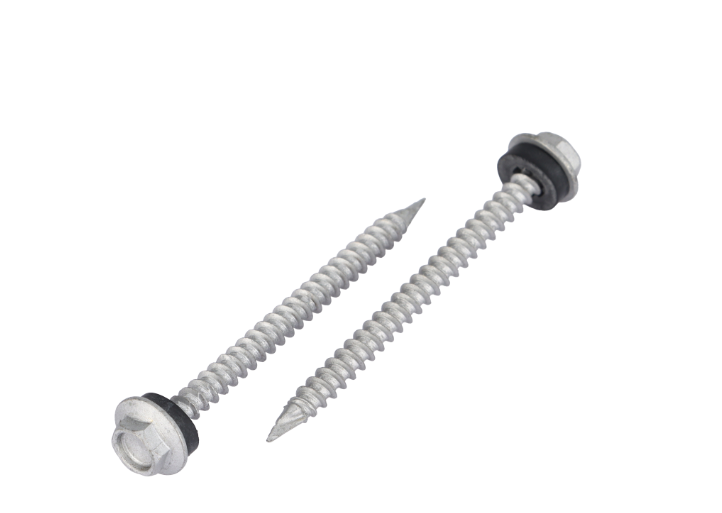
Hex Bolts in Critical Structural Steel Applications
Bridges, Highways, and Load-Bearing Infrastructure: Why Hex Bolts Dominate Bolted Connections
Hex bolts have become the go-to choice for connecting structural steel in bridges and highways because they distribute loads better and can be serviced right on site when needed. Their distinctive hexagonal heads give them roughly 40 percent more contact area compared to regular bolts, which helps spread those constant stresses from passing vehicles and changing temperatures across the joint surfaces. Most engineers will call for ASTM A325 or A490 bolts when building main connections since these strong fasteners can handle over 120 thousand pounds per square inch of tension, making them perfect for resisting shearing forces in expansion joints and girder setups. Bolted connections beat welding hands down when it comes to getting that exact torque setting just right during installation something that matters a lot as steel naturally shrinks and grows with temperature changes. Looking at actual bridge projects, we find that well-tensioned hex bolt joints keep holding tight even after going through over 50 thousand stress cycles, beating rivet systems by around 27 percent when it comes to resisting wear and tear over time. For structures near the coast where salty air eats away at metal faster, hot-dip galvanized versions last way past 25 years before needing replacement.
Seismic Resilience: Hex Bolts vs. Welding in High-Risk Zones
Hex bolts offer something crucial that welded joints just cant match when it comes to areas prone to earthquakes. When the ground starts shaking, those bolted connections basically become built-in shock absorbers. They can take in around 35 percent more energy before actually giving way, thanks to how they're designed to slip a bit first. Welded joints tell a different story entirely though. These tend to snap suddenly when hit with unexpected sideways forces during quakes. The latest data from Structural Engineering Institute back in 2023 showed buildings with bolted moment frames were 18% less likely to collapse compared to ones with welding during simulations of big 7.0 plus earthquakes. After looking at what happened during those Pacific Rim tremors in 2022, engineers noticed something interesting too. Structures fitted with hex bolts needed about half as much fixing up after the fact because these bolts can simply be tightened again without tearing anything apart. Hospitals and other emergency buildings now rely heavily on these special connections made with ASTM F3125 Grade A490 bolts. They've become kind of standard for keeping structures stable enough to move safely during quakes without falling down completely.
Hex Bolts for Energy and Heavy Industrial Systems
Offshore Platforms and Power Plants: Corrosion-Resistant Hex Bolts (ASTM A193 B7M, A490)
Hex bolts play a critical role in energy infrastructure because they offer exceptional strength along with good thermal stability and resistance to corrosion. Offshore oil platforms rely heavily on ASTM A193 B7M bolts which can handle constant saltwater contact without losing their tensile strength even when subjected to pressures well beyond 10,000 pounds per square inch. Power plants across the country use A490 hex bolts to hold together turbine casings and parts of nuclear reactors these bolts stay stable metallurgically even at temps surpassing 540 degrees Celsius or around 1,000 Fahrenheit. The special coatings on these corrosion resistant bolts help avoid failures in areas where sulfur is present in the environment. And this matters a lot since unexpected shutdowns at industrial sites cost operators about quarter of a million dollars every single hour according to research from Ponemon Institute back in 2023.
Wind Turbine Assembly: Torque Precision, Fatigue Life, and Hex Bolt Reliability
Hex bolts that are precision torqued play a big role in keeping wind turbines safe and lasting longer. For the larger M36 and M42 sizes, engineers use ultrasonic tension control methods to get those clamping forces right around 20,000 to 40,000 pounds force. This matters a lot because it stops towers from swaying too much or blades coming loose during operation. These bolts are built to handle serious wear and tear, surviving well over 100 million load cycles in the nacelle joints according to data from Renewable Tech Quarterly back in 2023. That kind of durability cuts down on maintenance expenses by about 34% when compared to traditional welding approaches. Plus, their hexagonal heads make installation quicker and more secure with impact wrenches while also allowing workers to check if proper torque was applied visually. This becomes really important when technicians need to access these bolts high up in the air where they might be working above 120 meters.
Hex Bolts in Mechanical Assembly and Equipment Anchoring
Hex bolts are workhorses in mechanical systems, providing dependable strength when assembling equipment or securing installations. The six-sided head design makes it easier to apply just the right amount of torque, even when machines shake around over time, which keeps joints tight throughout their service life. For big stuff like presses, generators, and conveyor belts, grade 8.8 bolts spread out the stress from moving parts better than other options. Most engineers go for partially threaded versions when dealing with shear forces, while flanged bolts come in handy where washers tend to slip on composite surfaces. Maintenance crews appreciate hex bolts because they can be removed and replaced without cutting through welds, saving roughly 30 minutes per retrofit job compared to welded connections. These fasteners work across different materials too—from standard steel frames to lighter aluminum housings—and special zinc-nickel coatings help them stand up to harsh chemicals found in many factories. When mounting into concrete foundations, pairing hex bolts with proper sleeve anchors satisfies building codes for earthquake resistance at loads up to 5,000 pounds.
Material-Specific Hex Bolt Selection: Wood, Metal, and Composites
Hybrid Fastening Solutions: Hex Bolts with Threaded Inserts in Aluminum and Polymer Enclosures
When working with aluminum and plastic enclosures, engineers often run into problems where threads get stripped during normal operation, especially when there's constant vibration or temperature changes happening. Regular hex bolts just don't hold up well in these conditions for electronics housings or machine panels over time. A better solution combines regular hex bolts with special threaded inserts like helicoils or those pressed-in bushings we all know about. These inserts distribute the clamping force across a larger area which helps prevent parts from pulling out completely while still allowing technicians to take things apart for maintenance work. Take zinc-plated hex bolts paired with stainless steel inserts for example. Testing shows they can handle about 40% more fatigue stress in plastic junction boxes according to ASTM F1575 standards. This setup stops galling issues and keeps torque levels stable even when temperatures swing between minus 40 degrees Celsius and 120 degrees Celsius. Most experienced designers go with this method whenever dealing with light weight enclosures that need frequent opening and closing without constantly replacing screws.
FAQ
What are hex bolts?
Hex bolts are fasteners characterized by their six-sided (hexagonal) heads, offering superior contact area and load distribution compared to regular bolts.
Why are hex bolts preferred in structural steel applications?
Hex bolts are preferred because they offer better load distribution and can be serviced on-site, making them ideal for structural steel applications, especially in bridges and highways.
How do hex bolts perform in seismic zones?
Hex bolts act as built-in shock absorbers during earthquakes, taking on more energy before giving way compared to welding, reducing the likelihood of structural collapse.
What makes hex bolts suitable for energy and heavy industrial systems?
Hex bolts provide exceptional strength, thermal stability, and corrosion resistance, making them ideal for offshore platforms, power plants, and environments with high sulfur presence.
What are the benefits of using hex bolts in wind turbines?
Hex bolts ensure torque precision, long fatigue life, and reliability, reducing maintenance expenses significantly compared to welding.

