 EN
EN

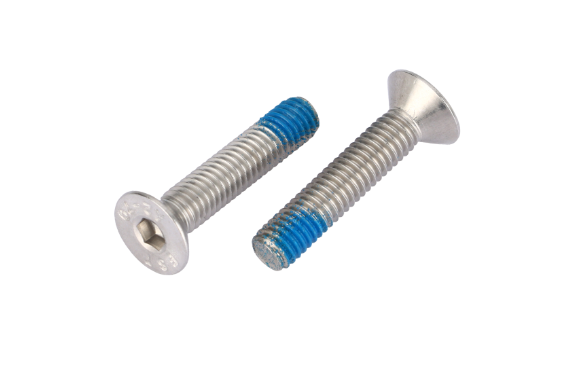
Standard Hex Bolt Sizes Used Across Industrial Machinery
Most Common Metric Hex Bolt Sizes (M6–M36) and Typical Lengths (20–150 mm)
In most places that follow ISO standards, metric hex bolts are pretty much the go-to fasteners for putting machines together. The sizes between M6 and M36 handle about 8 out of 10 industrial jobs these days. These bolts get their name based on how thick the shaft is in millimeters, and they usually come with those coarse threads that let workers install them quickly when working with steel frames. When it comes to length, we're talking anything from around 20mm for small electrical boxes all the way up to 150mm for connecting big beams. But if someone is working on heavy machinery, they'll probably see lots of M12 bolts ranging from 40 to 80mm long, and M24 ones measuring between 80 and 120mm. Getting the right length matters because it makes sure the threads actually bite into the hole properly instead of just sitting there. If a bolt is too short, the whole joint becomes weaker, sometimes losing as much as half its strength when things start vibrating.
Predominant Imperial Hex Bolt Sizes (¼"–1½") and Corresponding UNC/UNF Length Ranges
Hex bolts made to imperial standards are still a must have for machinery following ANSI guidelines. The sizes running from quarter inch up to one and a half inches play vital roles across different equipment types like conveyor belts and hydraulic presses. Most shops stick with UNC threads for regular industrial work since they handle dirt and grime better than other options. But when things get really tough on components that cycle constantly, UNF threads become the go to choice because they last longer under repeated stress. And interestingly enough, how long these bolts need to be actually depends heavily on their diameter size, something every maintenance tech knows after working on site for a while.
- ¼" bolts: ¾"–2" for panel mounting
- ½" bolts: 1½"–4" for gearbox housing
- 1" bolts: 3"–6" for structural bracing
Matching UNC/UNF length to material thickness is vital—particularly in aluminum housings, where insufficient engagement causes 62% of fastener-related malfunctions, per industry studies.
How Hex Bolt Sizing Directly Affects Machinery Performance and Safety
Tensile and Shear Load Capacity: Matching Hex Bolt Diameter and Grade to Equipment Stress Profiles
Selecting correct hex bolt dimensions prevents catastrophic failures in industrial machinery. Larger diameters directly increase tensile strength and shear resistance: an M24 Grade 8.8 bolt withstands approximately 75% greater shear force than an M16 equivalent. Matching bolt grade to stress profiles is critical:
- Grade 5 (ISO 8.8) suits medium-duty assemblies like conveyor frames
- Grade 8 (ISO 10.9) handles high-vibration applications such as power transmission systems
Undersized hex bolts in critical joints account for 17% of mechanical failures in processing plants (ASM International, 2023). Always analyze dynamic load cycles and shock impacts before specifying industrial bolts and nuts.
Thread Engagement Best Practices: Ensuring Reliability in Cast Iron, Aluminum, and Steel Housings
Optimal thread engagement prevents stripping and maintains clamping force integrity. Follow these material-specific guidelines:
- Steel housings: Minimum engagement = 1× bolt diameter
- Cast iron: Minimum engagement = 1.5× bolt diameter due to lower tensile strength
- Aluminum: Minimum engagement = 2× bolt diameter with anti-galling coatings
Insufficient engagement in soft materials reduces joint stability by up to 40%. For UNC threads in structural applications, always exceed 80% thread contact depth. Vibration-resistant designs should incorporate locking washers when engagement margins are tight.
Metric vs. Imperial Hex Bolt Standards: Avoiding Compatibility Failures in Mixed-System Assembly
Critical Dimensional Conflicts Between ISO 4014 and ANSI B18.2.1 Hex Bolts
ISO 4014 (metric) and ANSI B18.2.1 (imperial) hex bolts exhibit fundamental dimensional mismatches beyond diameter differences. Key conflicts include:
- Head/wrench sizes: M10 bolts require 15 mm wrenches, while 3/8" imperial equivalents need 9/16" (~14.3 mm) tools
- Thread pitch: M8 bolts use 1.25 mm pitch versus 13 threads-per-inch (TPI) for 5/16" bolts
- Shank tolerances: ISO permits tighter diameter tolerances (±0.1 mm) than ANSI (±0.15 mm)
These discrepancies cause cross-threading during assembly, reduced clamp load capacity, premature fatigue failure under cyclic stresses, and galling in stainless steel variants due to uneven friction distribution.
Real-World Conversion Pitfalls and When Hybrid Use Increases Failure Risk
Mixing metric and imperial hex bolts introduces critical failure risks:
- Vibration-induced loosening: Mismatched thread pitches create micro-gaps allowing 0.2–0.5 mm movement under 15 Hz+ vibrations
- Shear overload: Hybrid assemblies show 30–40% lower shear strength in ASTM F606 testing
- Corrosion acceleration: Dissimilar metals in converted joints accelerate galvanic corrosion by 3× in humid environments
Some really risky situations when mixing different measurement systems happen with equipment that spins around while getting hot and cold repeatedly, think about pumps and compressors here. Structural frames that deal with changing forces over time also pose problems, along with those super important connections we find on pressure vessels where things literally hold together. What works best? Stick to just one measurement system throughout whole assemblies if possible. Keep track of metric versus imperial tools separately, maybe even paint them different colors so nobody gets confused during rush jobs. And always double check threads will fit properly using those special go/no-go gauge tools right before putting anything together on site.
Specialized Hex Bolt Variants for High-Demand Machinery Applications
Flange Hex Bolts: Size and Grade Recommendations for Vibration-Intensive Environments
Flange hex bolts come with a special collar right under the head that does away with the need for extra washers. This collar spreads out the pressure over a bigger area when things get tightened down. The whole point of having this built in flange makes all the difference in machines that shake a lot, think about compressors, turbines, or anything on wheels really. Regular hex bolts just cant handle those constant vibrations because they tend to work themselves loose over time or crack from being stressed too much. When it comes to keeping everything secure and lasting longer, these flanged bolts are worth their weight in gold for industrial applications where downtime costs money.
- Size Selection: Prioritize diameters from M12 to M30 (or ½"–1¼") to balance shear strength with flange surface contact
- Grade Requirements: Utilize ISO 8.8 to 12.9 or SAE Grade 5–8, as higher tensile strength combats vibrational stress amplification
- Material Pairing: Match flange bolt composition to base materials—e.g., zinc-plated steel for aluminum housings reduces galvanic corrosion risk in humid environments
Under-specifying dimensions or grades in high-frequency applications accelerates joint failure, with under-specified bolts exhibiting 37% shorter service life in cyclical loading tests.

