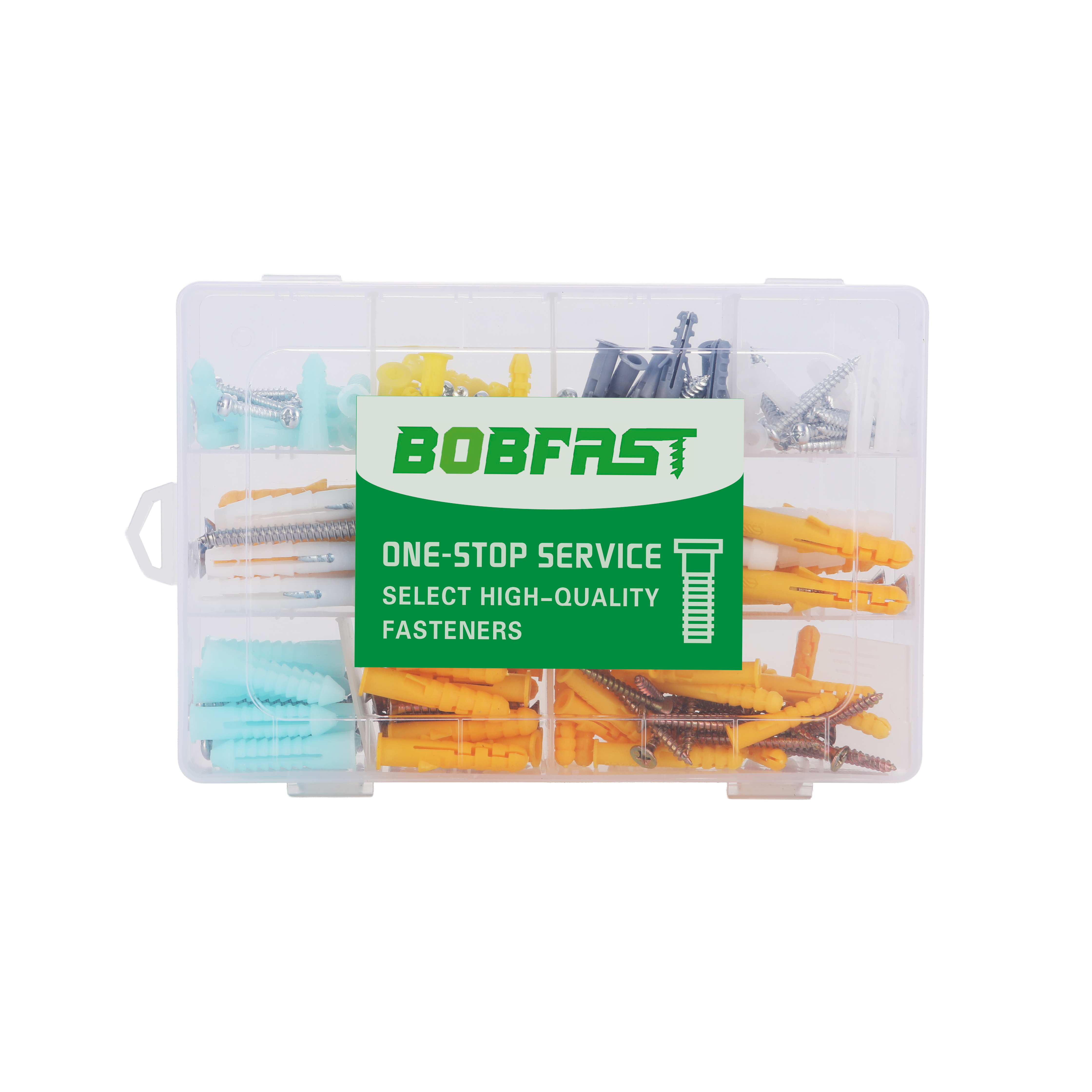
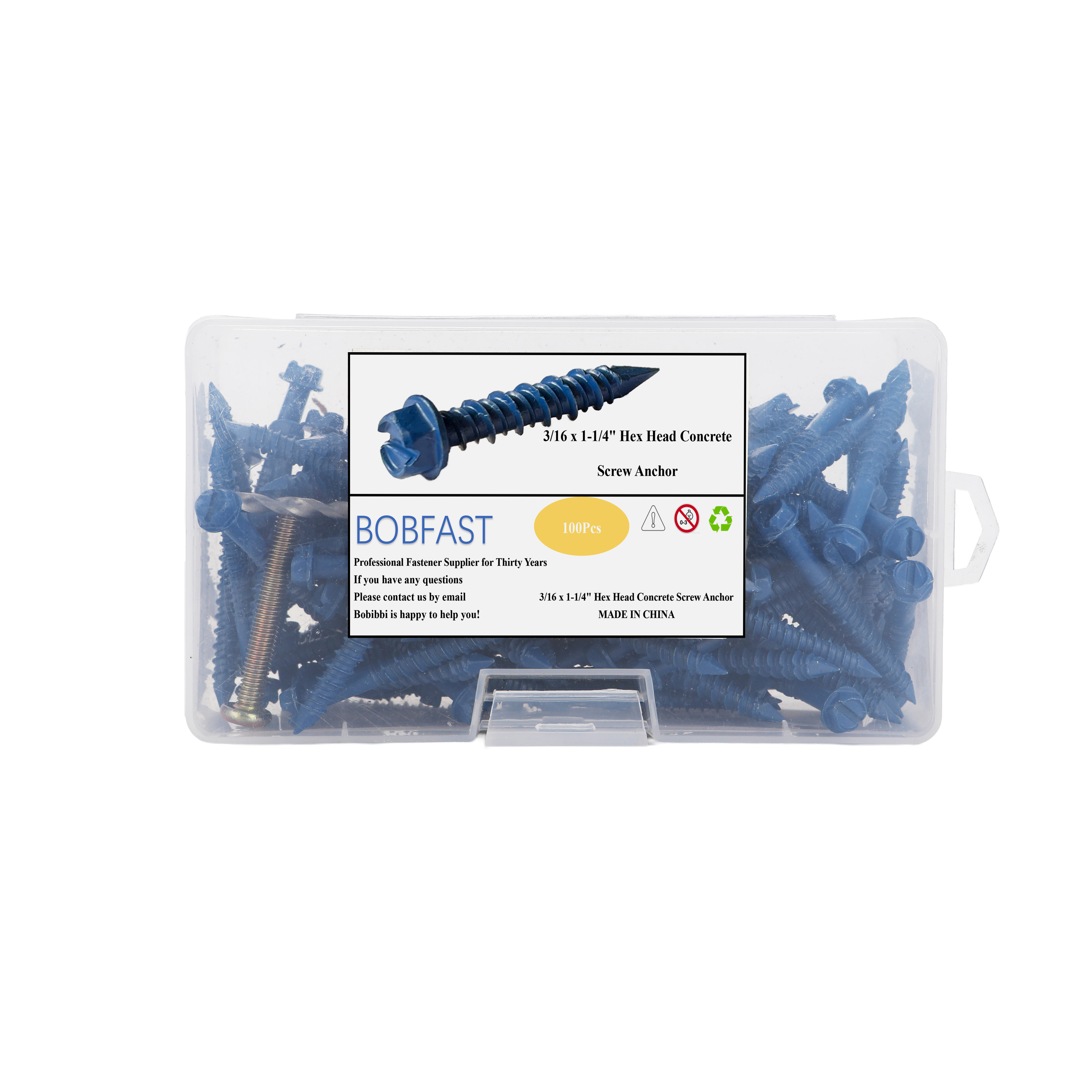
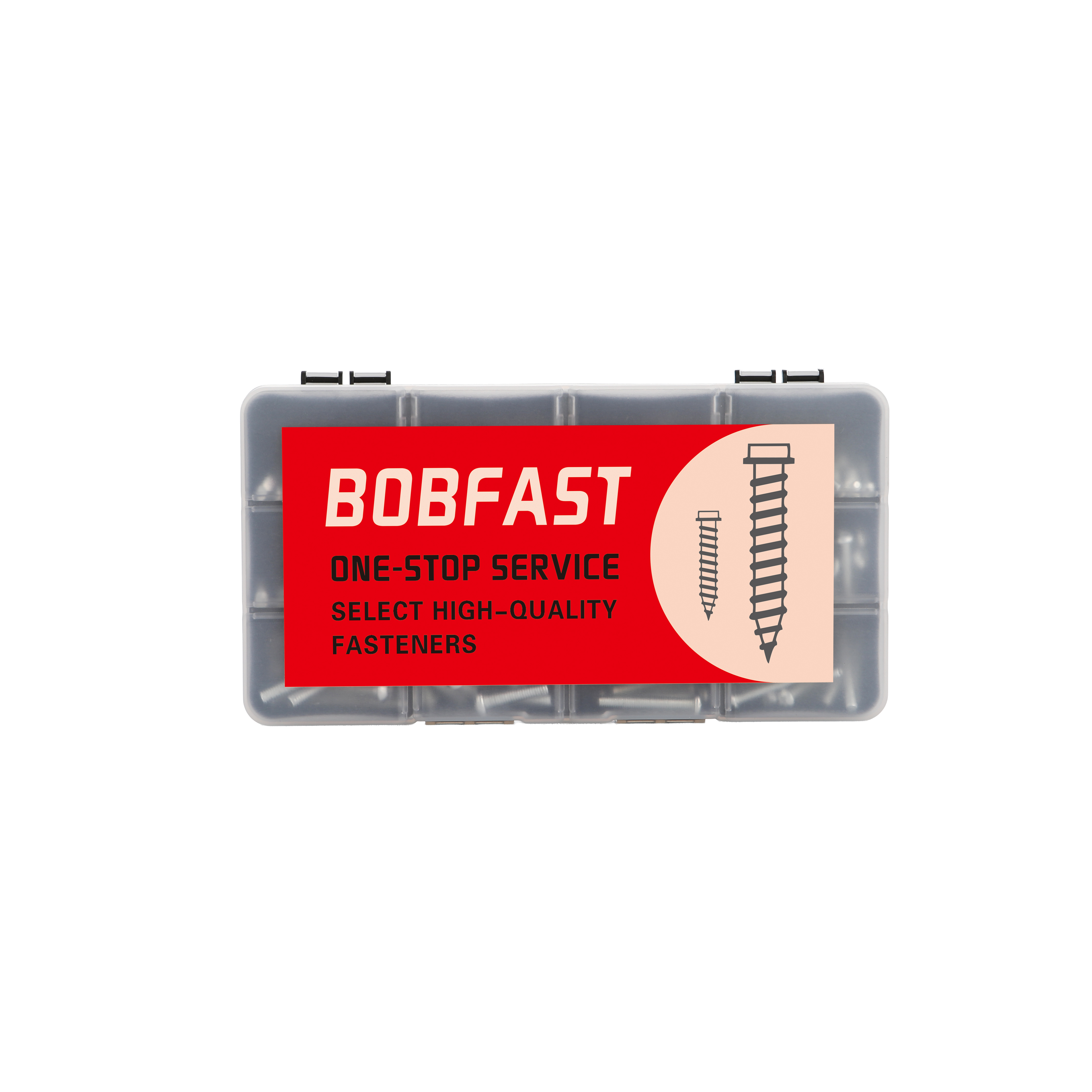
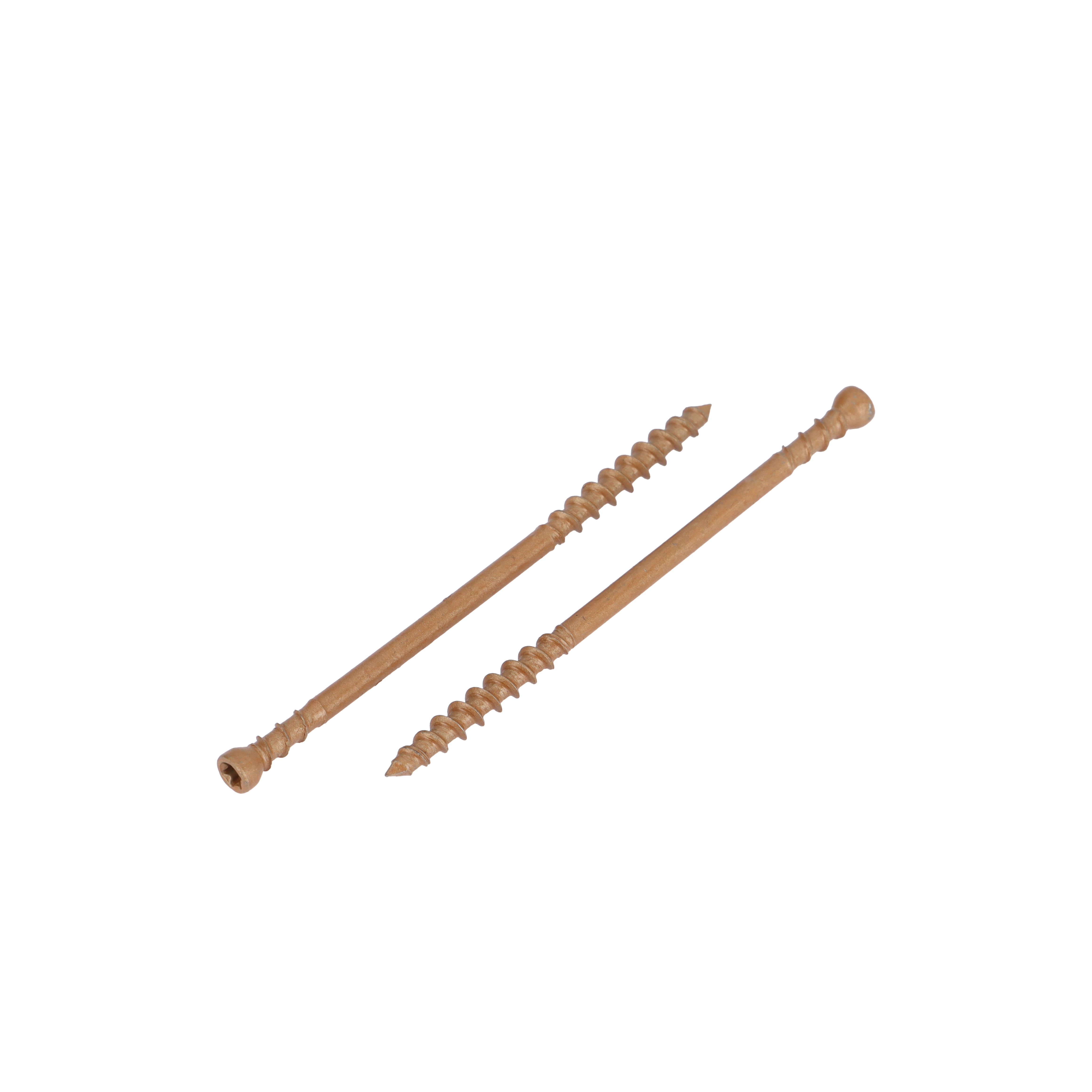
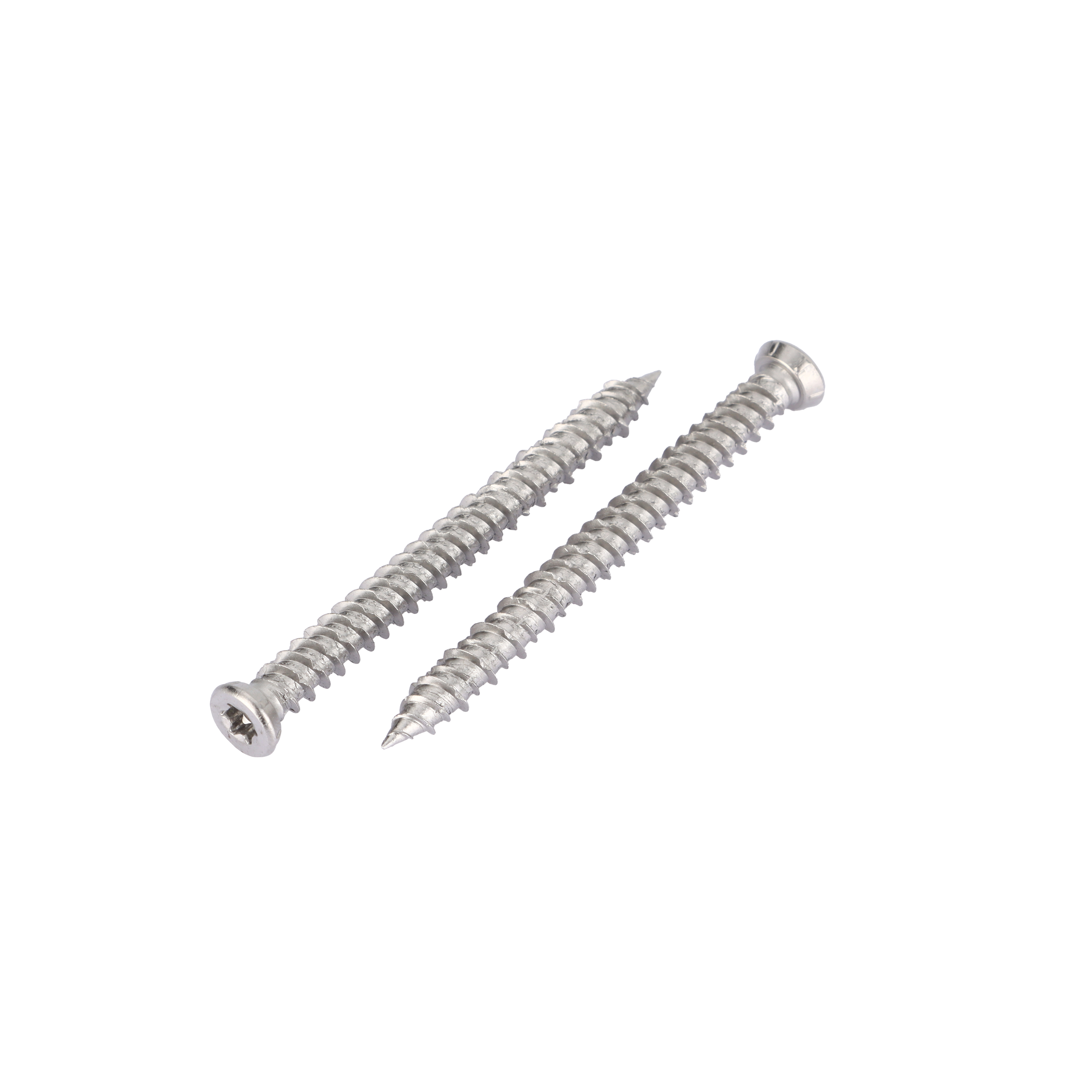
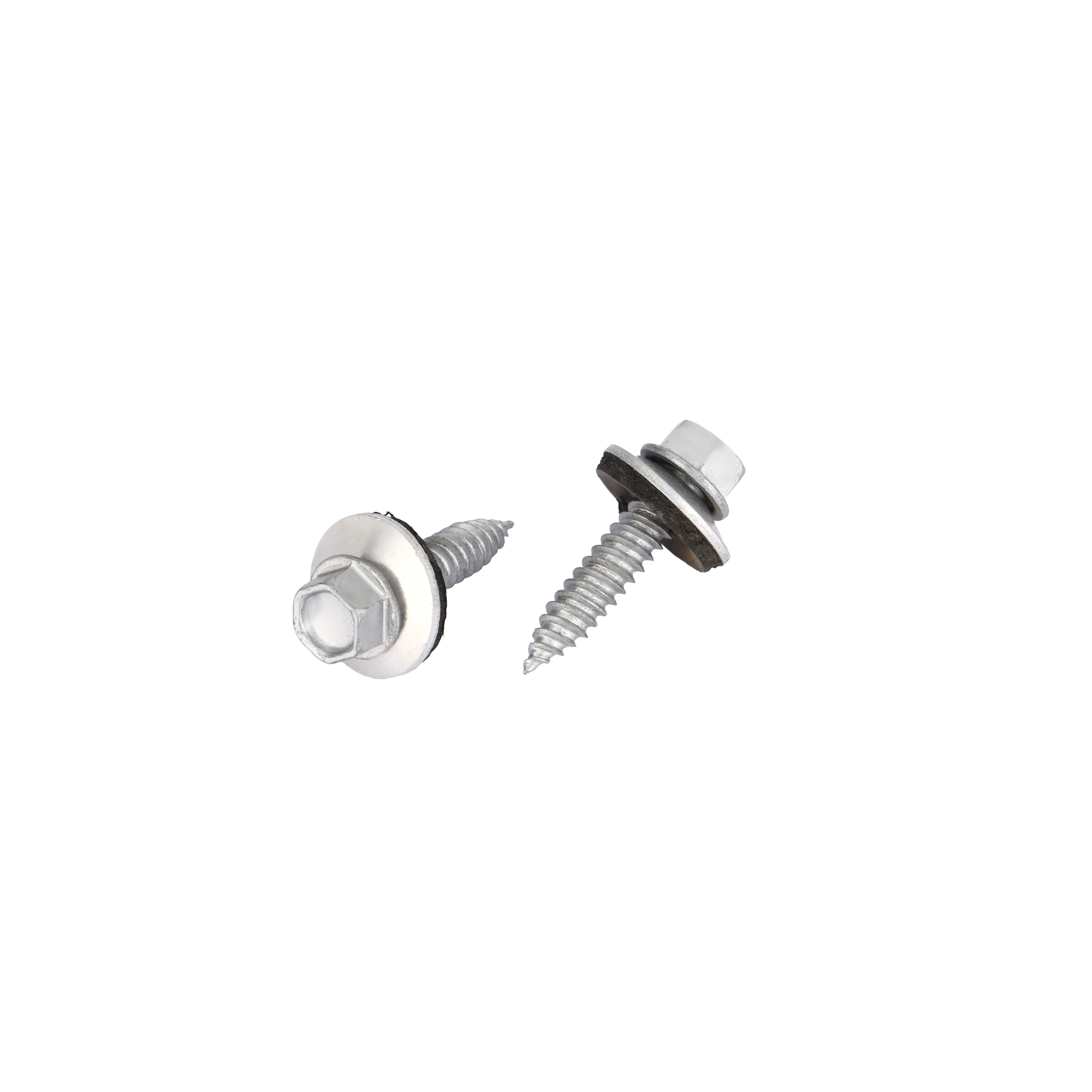
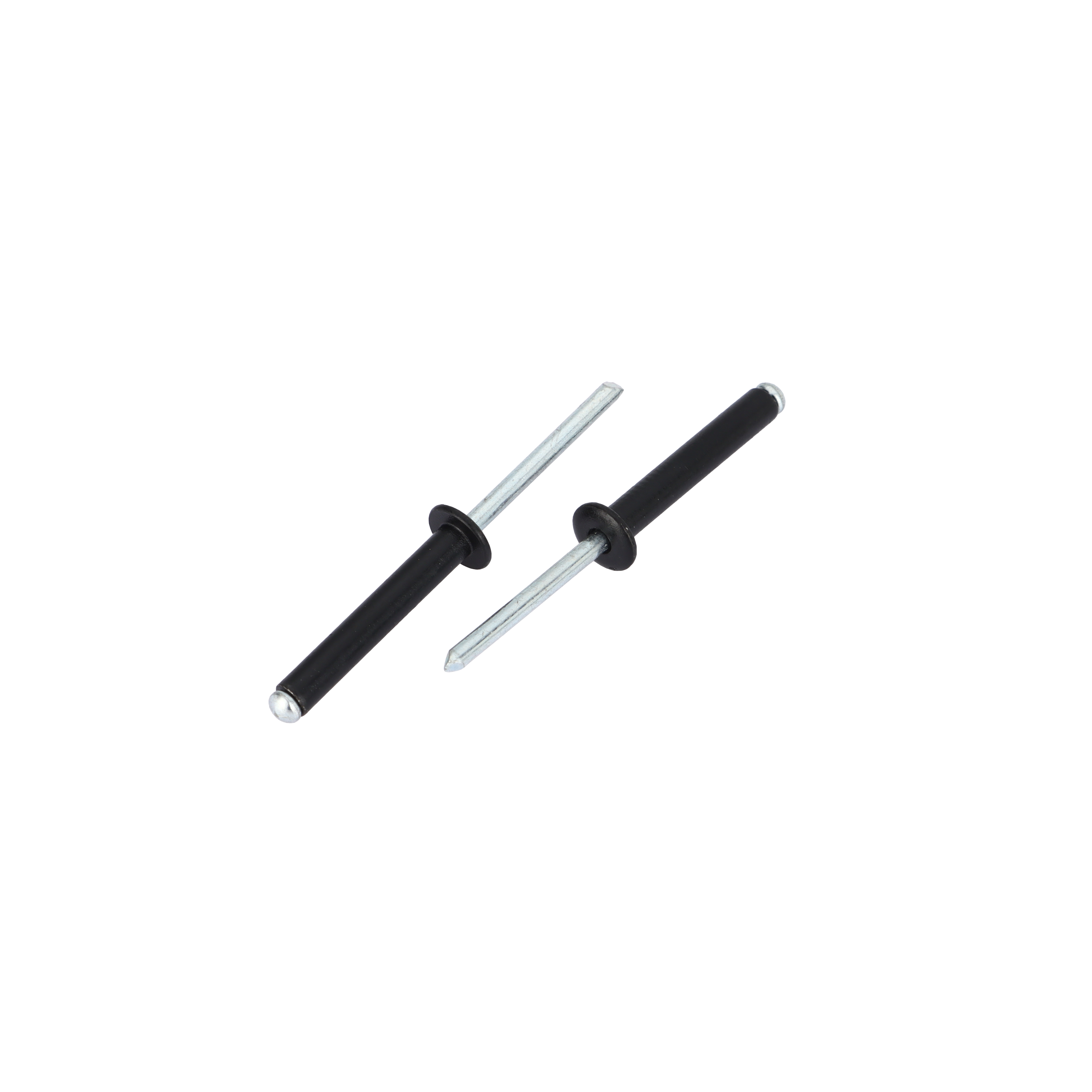
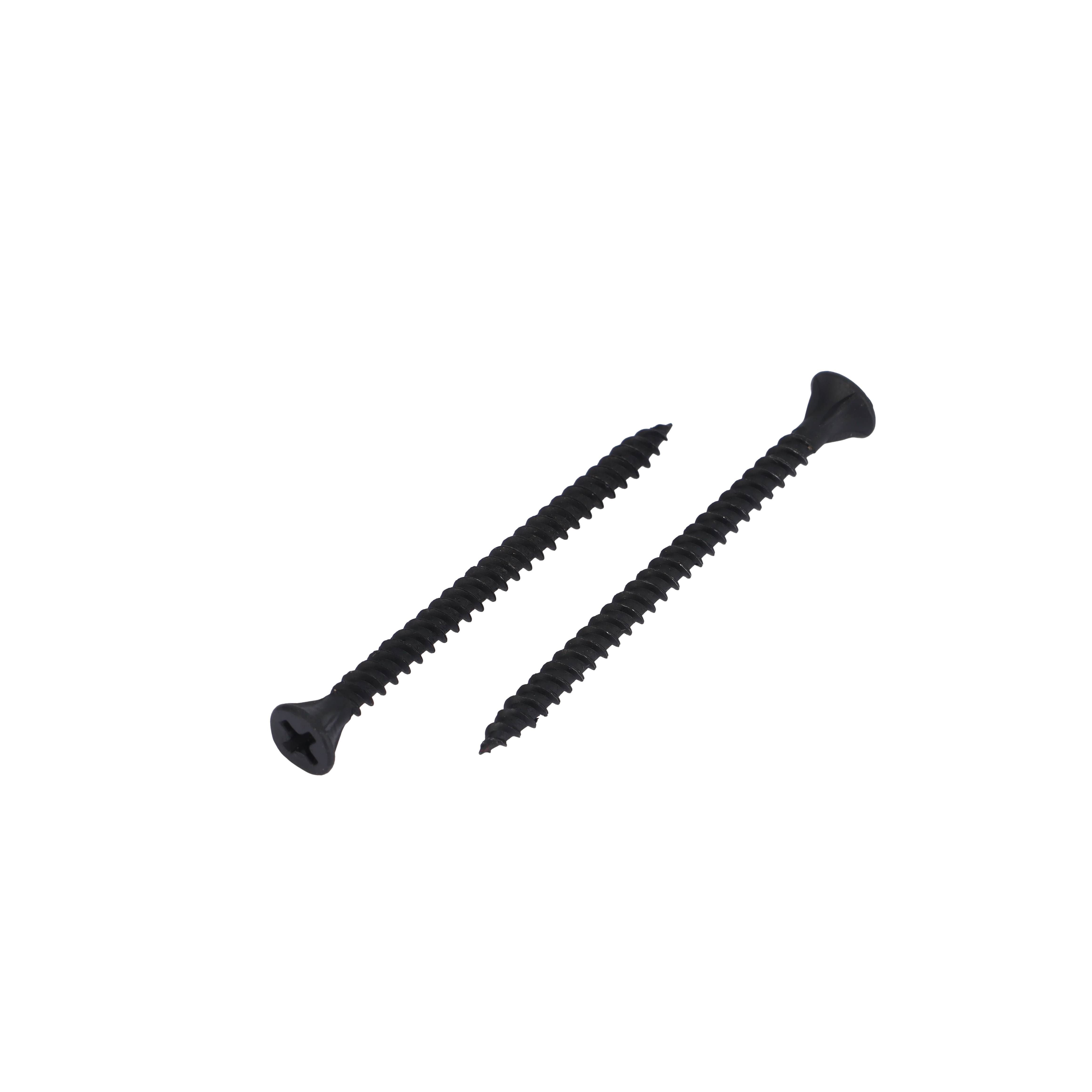
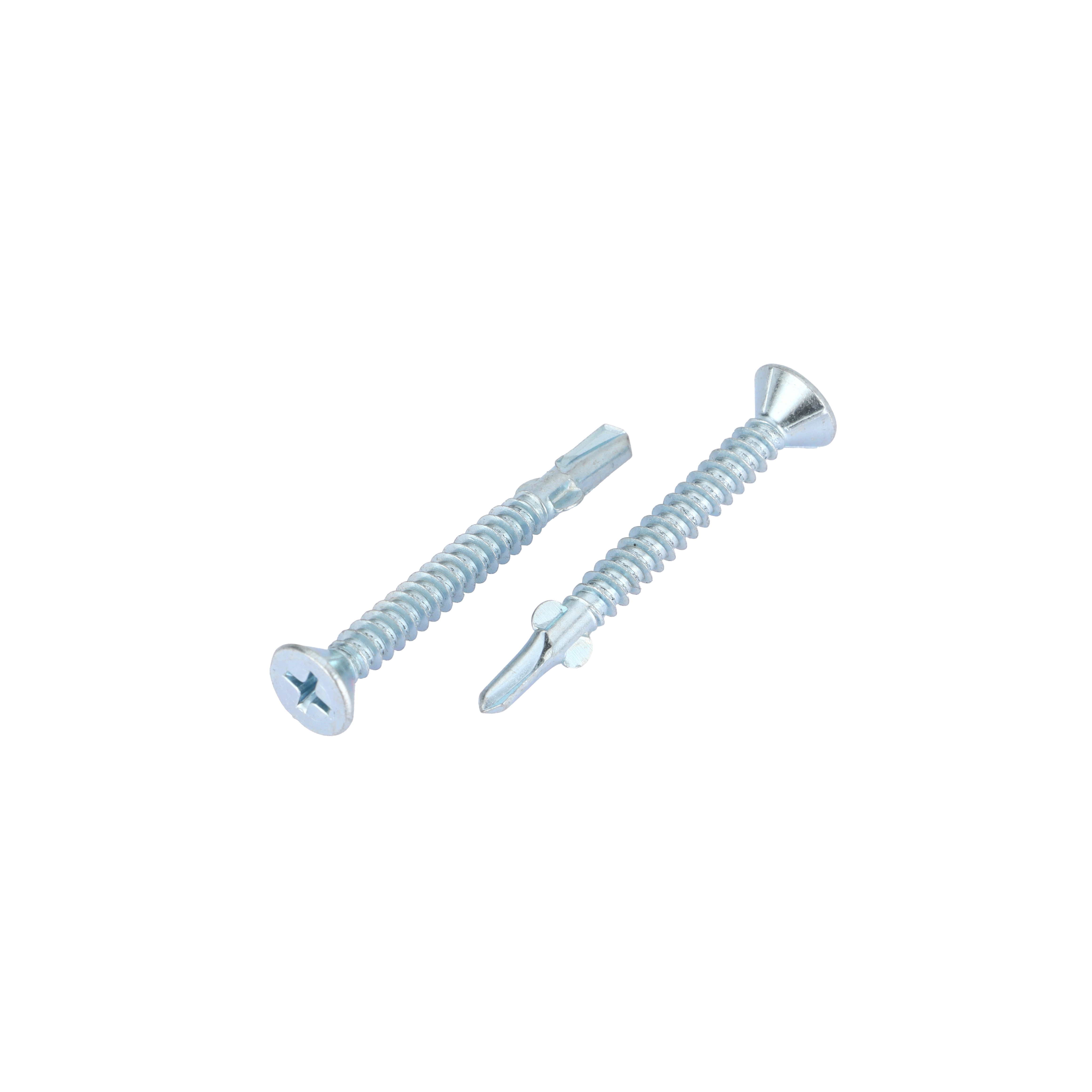
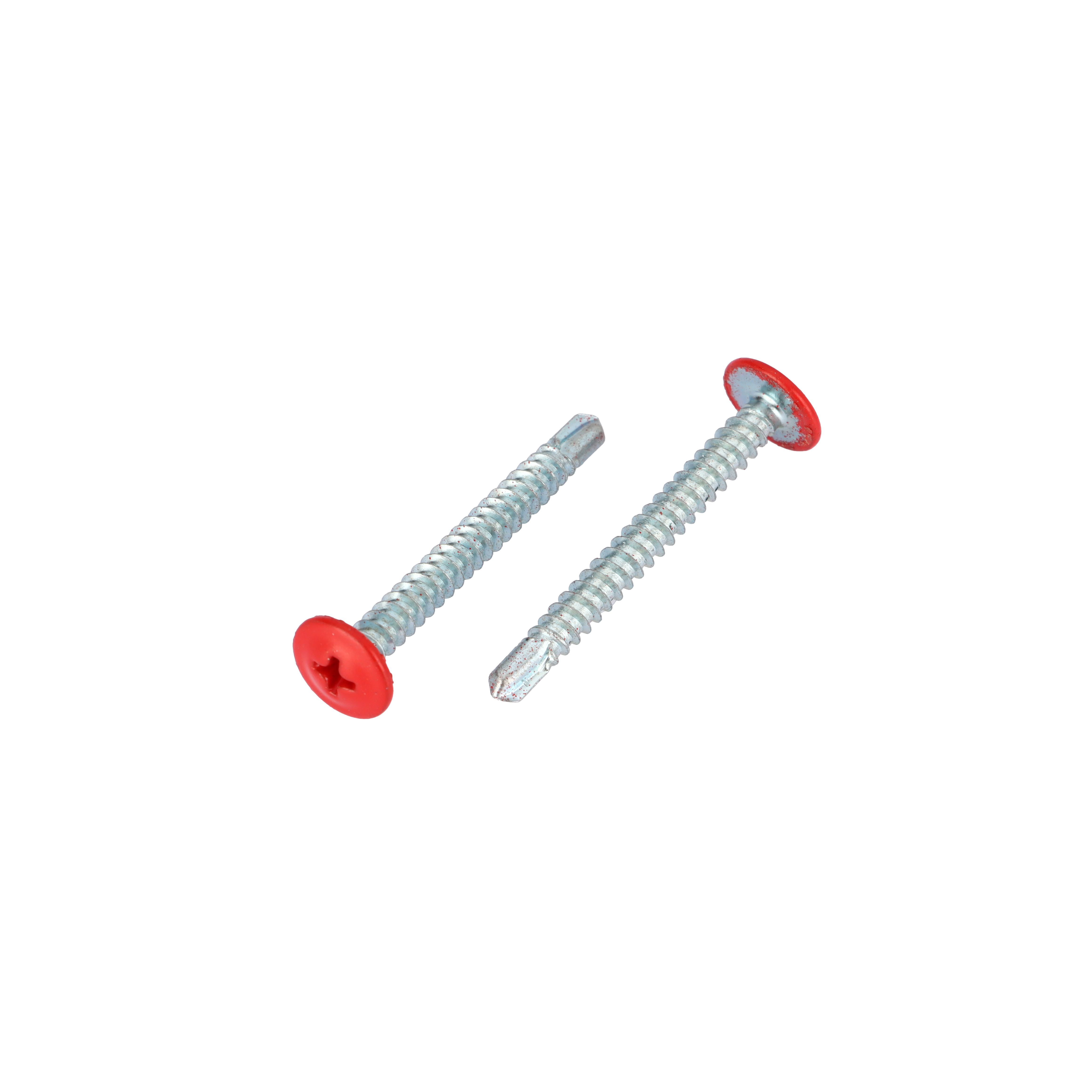
In the bustling and highly specialized domain of construction, the synergy between construction fasteners and tools is the linchpin that holds together the success of every building project, ensuring seamless execution, structural integrity, and long - term durability. Construction fasteners, encompassing an extensive array of products such as bolts, screws, nails, rivets, and anchors, serve as the fundamental connectors that bind various construction materials, from sturdy steel beams and wooden planks to resilient concrete slabs and composite panels. Each type of fastener is meticulously engineered with specific designs, materials, and functions to meet the diverse demands of construction applications. Bolts, for instance, are crucial for heavy - duty connections, providing robust load - bearing capabilities that can withstand the immense forces exerted on large - scale structures like skyscrapers, bridges, and industrial facilities. Their threaded shafts and nuts allow for adjustable and secure fastening, enabling precise alignment and tight connections. Screws, on the other hand, offer versatility and precision, with different thread patterns, head styles, and lengths suitable for a wide range of materials, from woodworking projects to metal fabrication and drywall installation. Nails, with their simplicity and quick installation, are indispensable in traditional wood - based construction, while rivets create permanent, vibration - resistant joints, often utilized in metal assembly and aircraft - inspired architectural designs. Anchors, designed to secure structures to concrete or masonry substrates, ensure stability and transfer loads effectively, playing a vital role in foundation work and the installation of heavy fixtures.
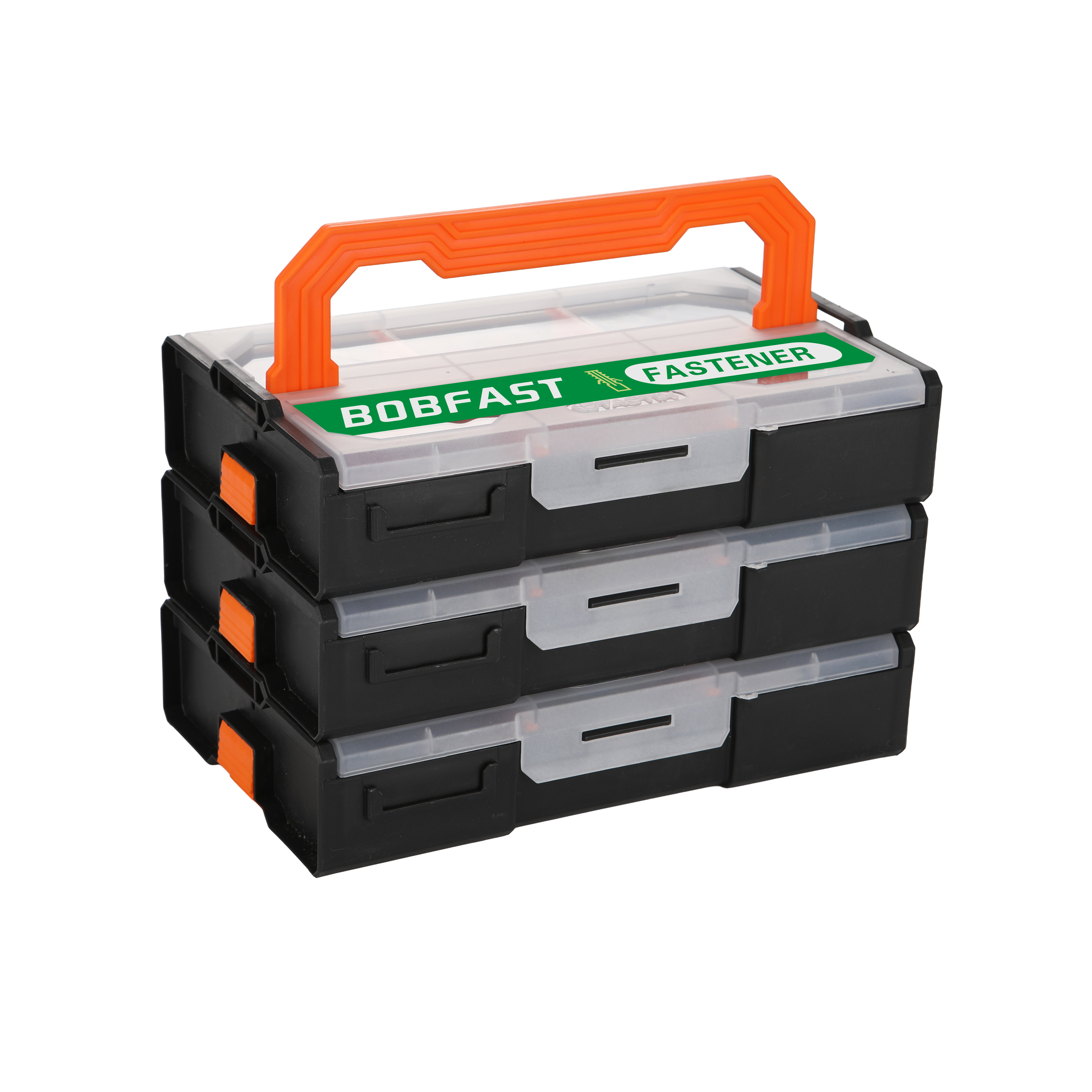
Complementing these essential construction fasteners are a diverse range of tools, each tailored to optimize the installation, removal, and maintenance processes. Power tools have revolutionized the construction industry, significantly enhancing efficiency and productivity. Cordless drills and impact drivers, equipped with powerful motors and advanced battery technology, enable rapid and effortless driving of screws and bolts, reducing labor time and physical exertion. Rivet guns, both manual and pneumatic, are specifically designed to set rivets securely, deforming the rivet ends to create strong, permanent connections. For more intricate tasks, precision tools such as screwdrivers with magnetic tips, nut drivers, and wrenches offer accuracy and control, ensuring that fasteners are tightened to the appropriate torque levels, preventing over - tightening or loosening. Measuring tools, including tape measures, levels, and laser distance meters, are essential for ensuring precise alignment and accurate placement of fasteners, which is critical for maintaining structural integrity. In addition, cutting tools like saws, both manual and power - operated, are necessary for preparing materials to the correct dimensions before fastening, while grinders and sanders are used for finishing and smoothing surfaces, enhancing the overall quality of the construction work.
The quality of construction fasteners and tools is of utmost importance in the construction industry. Inferior fasteners can lead to structural failures, compromising the safety of buildings and endangering lives, while low - quality tools can result in inefficiencies, increased labor costs, and subpar workmanship. Reputable manufacturers, like Jiaxing Xinhongda Technology Co., Ltd., invest heavily in research and development, utilizing advanced manufacturing techniques and stringent quality control measures to produce fasteners and tools that meet or exceed industry standards. Construction fasteners are typically crafted from high - grade materials such as stainless steel, alloy steel, and galvanized steel, offering excellent corrosion resistance, high tensile strength, and durability. Tools are designed with ergonomic features, durable components, and reliable performance, ensuring comfort during use and long - term functionality. Rigorous testing procedures, including strength tests, durability tests, and functionality tests, are conducted to guarantee that each fastener and tool can withstand the harsh conditions and heavy usage typical in construction environments.
The availability and accessibility of construction fasteners and tools have been greatly enhanced in the digital age. Online platforms and e - commerce marketplaces provide a convenient one - stop - shop for contractors, builders, and DIY enthusiasts, offering a vast inventory of products from various suppliers worldwide. Detailed product descriptions, technical specifications, customer reviews, and price comparisons are readily available, allowing buyers to make informed decisions. Many suppliers offer bulk purchasing options, discounts, and fast shipping services, making it more cost - effective and efficient to acquire the necessary fasteners and tools for construction projects. Moreover, the growth of online tutorials, user guides, and customer support resources has empowered users to better understand the proper use and maintenance of construction fasteners and tools, further enhancing their value and effectiveness.
In conclusion, construction fasteners and tools are the inseparable companions that drive the construction industry forward. Their combined functionality, quality, availability, and the continuous innovation in their design and manufacturing ensure that construction projects of all scales can be completed with precision, efficiency, and reliability. Whether it’s a small - scale home renovation or a large - scale commercial construction venture, choosing the right construction fasteners and tools is essential for achieving outstanding results, creating structures that are not only functional and aesthetically pleasing but also built to last for generations.
 EN
EN