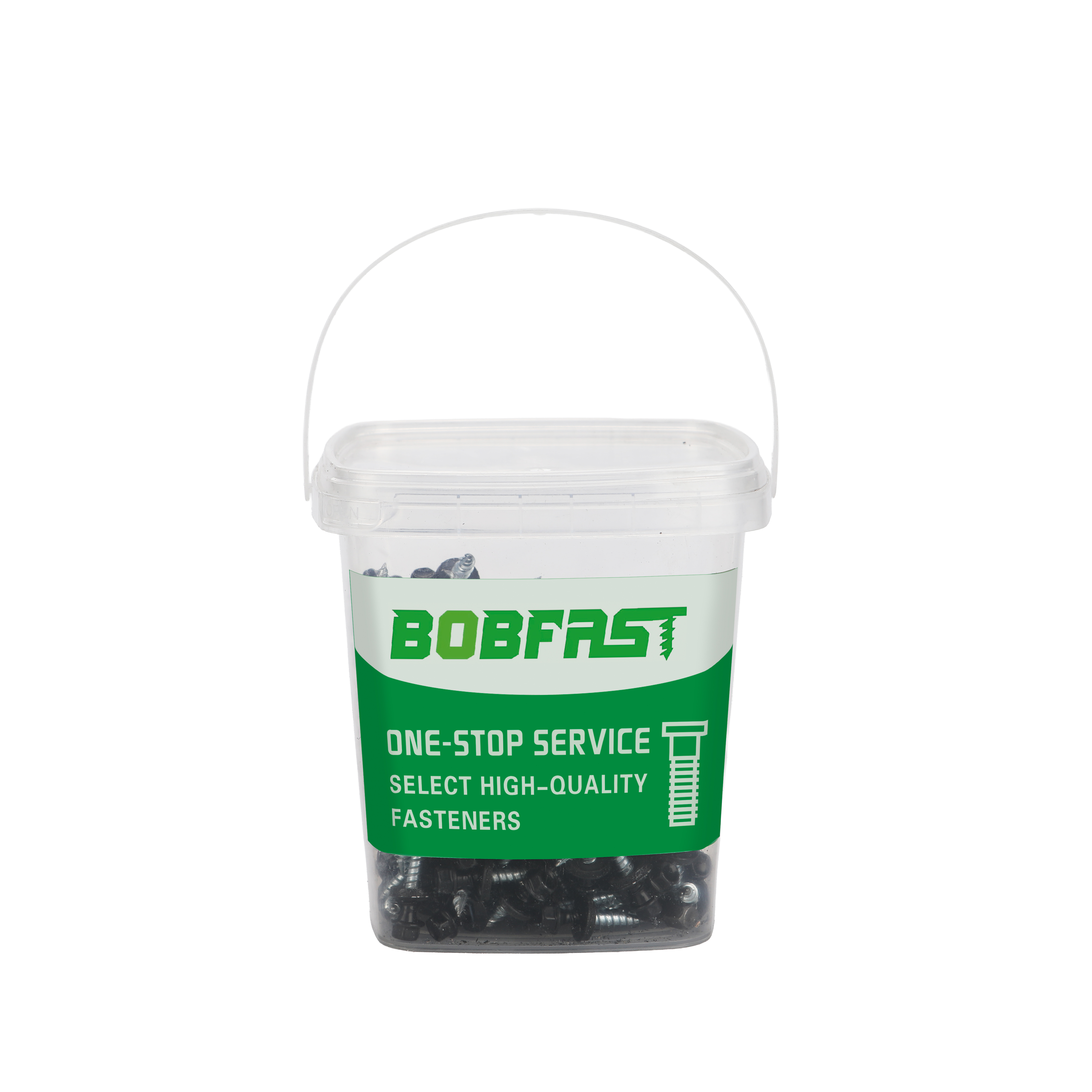
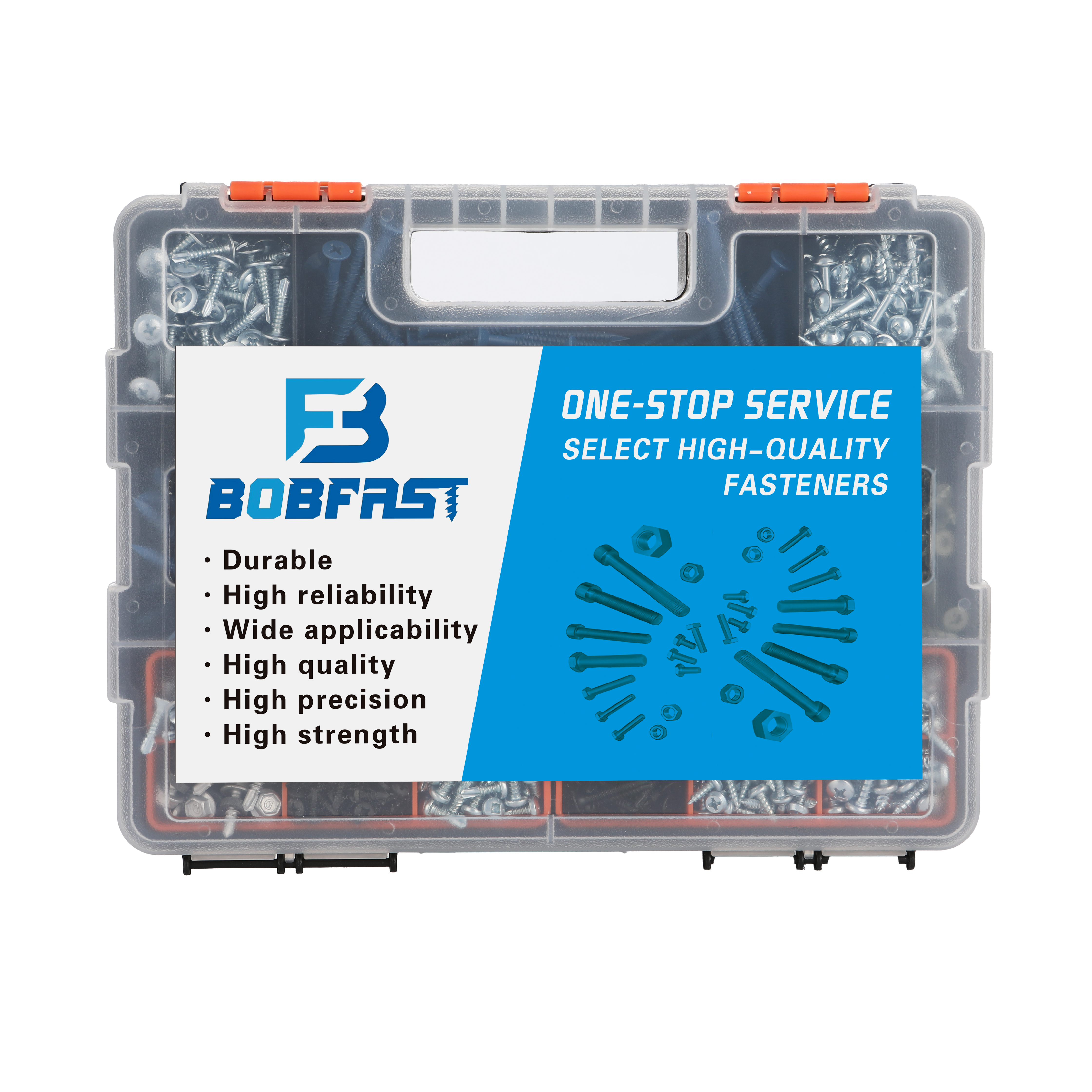
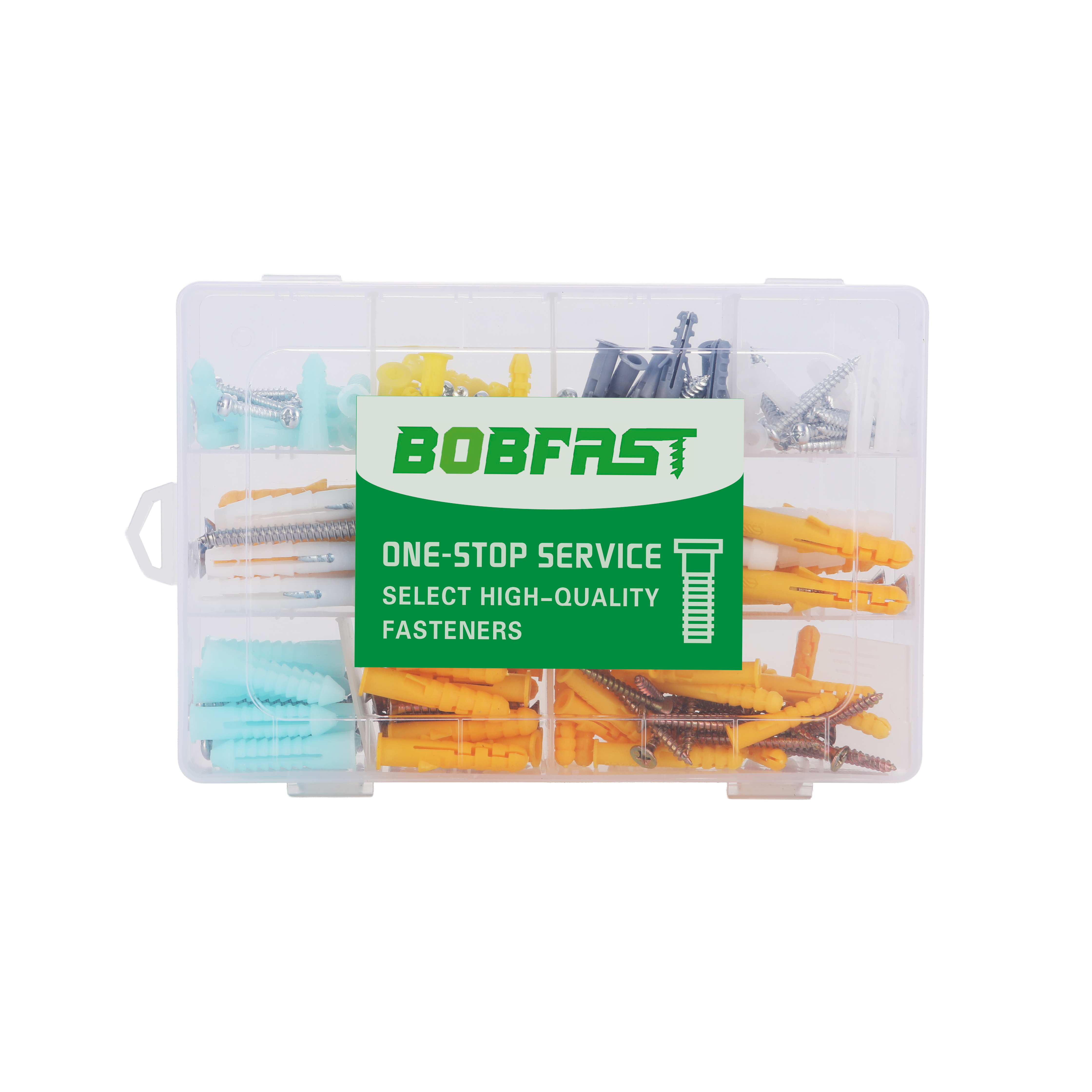
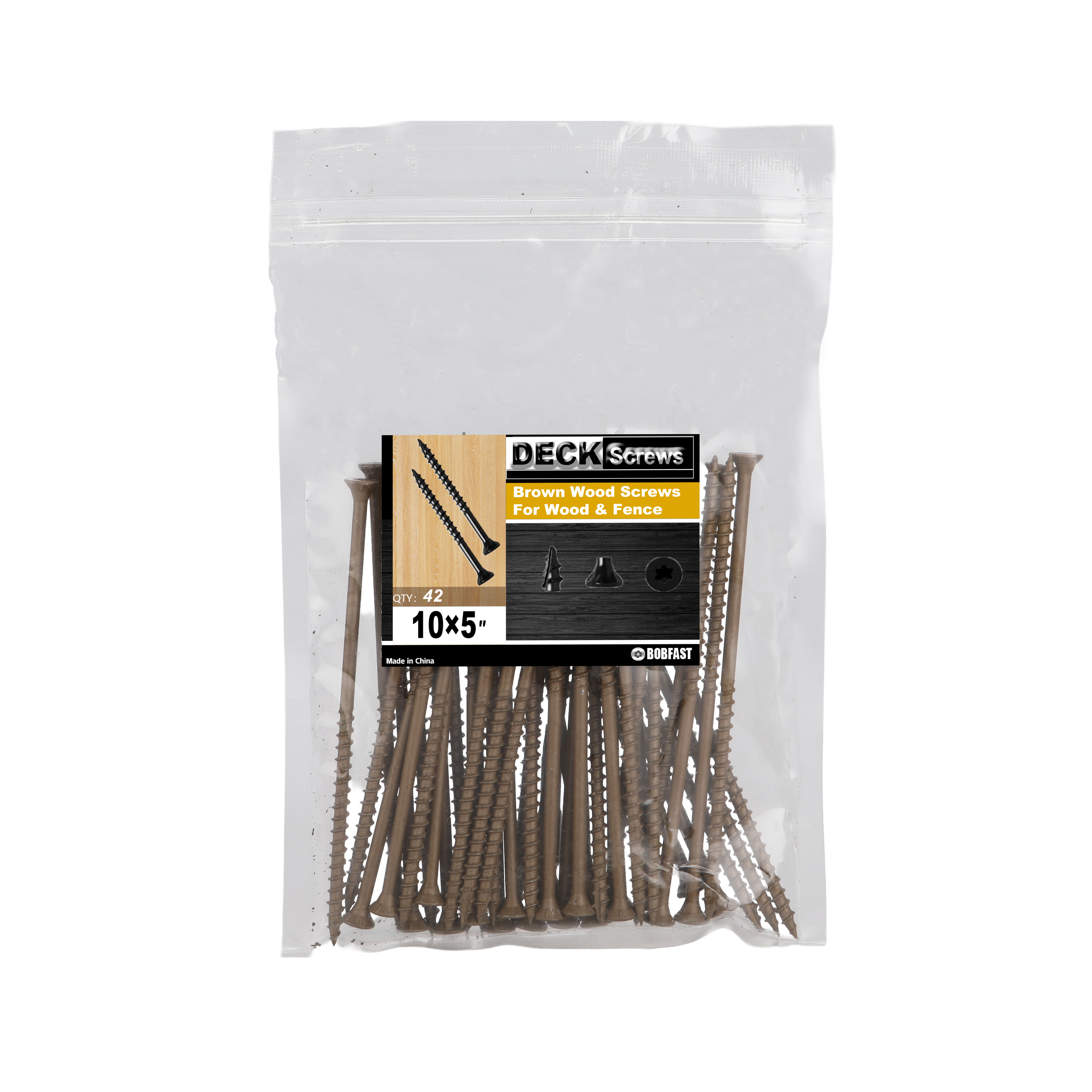
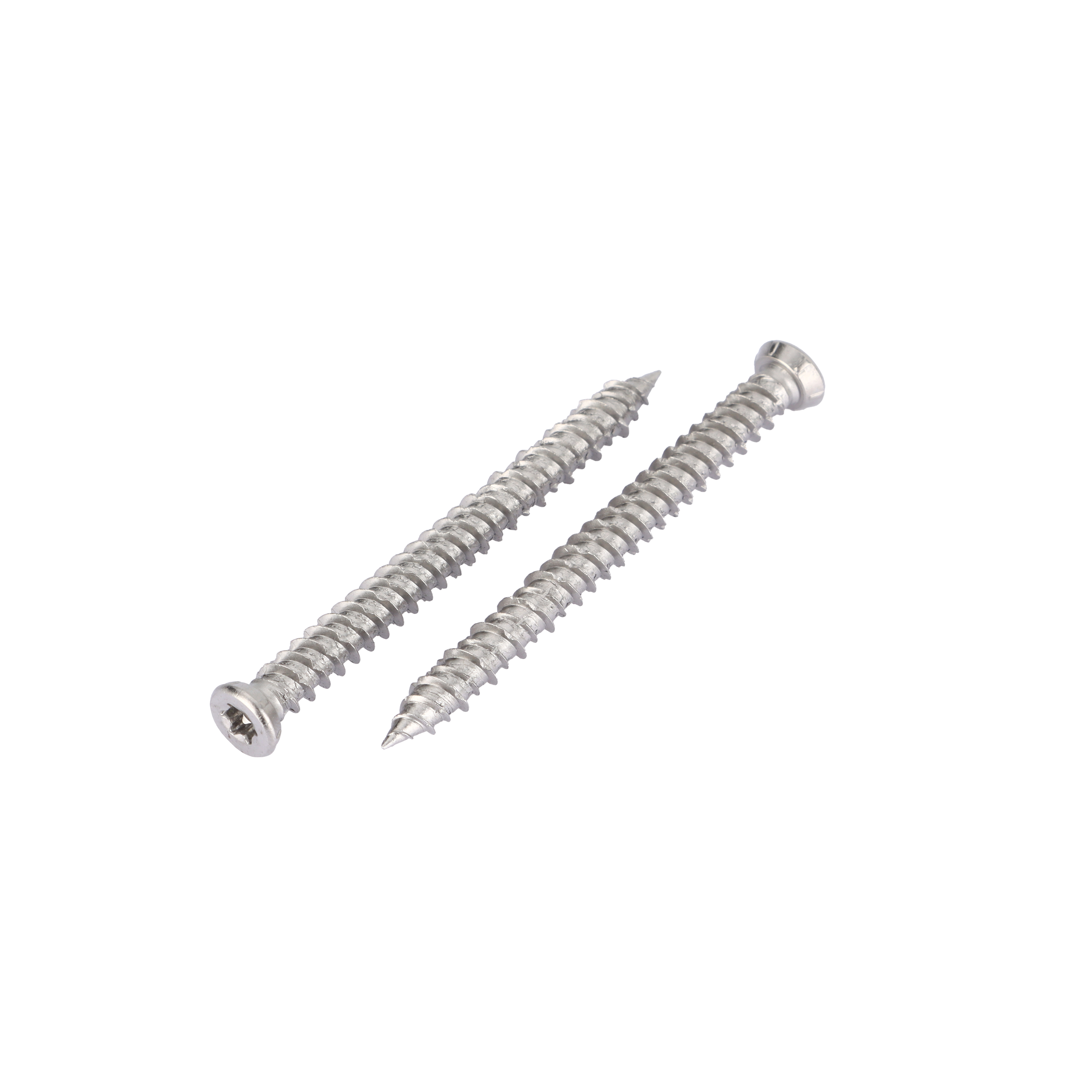
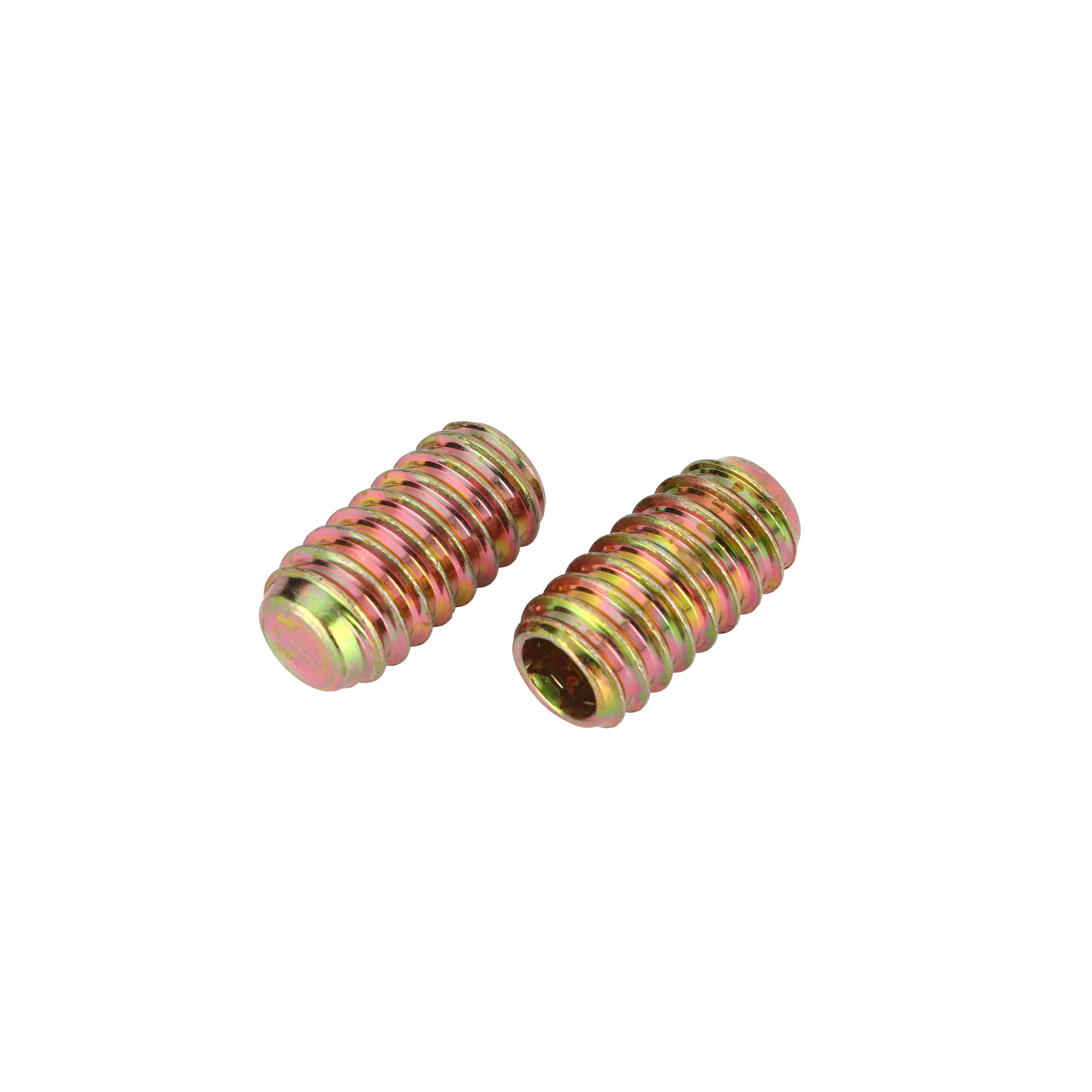
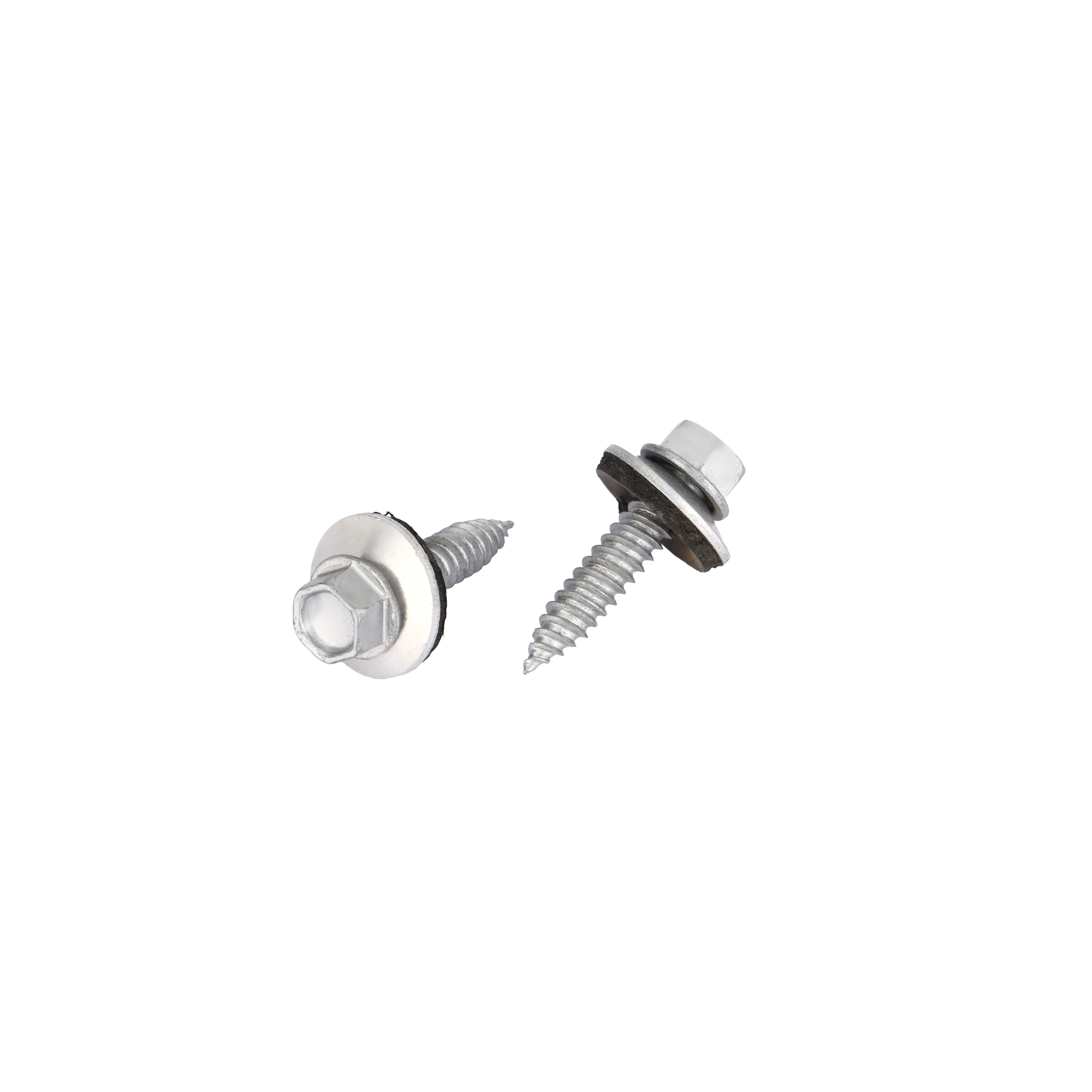
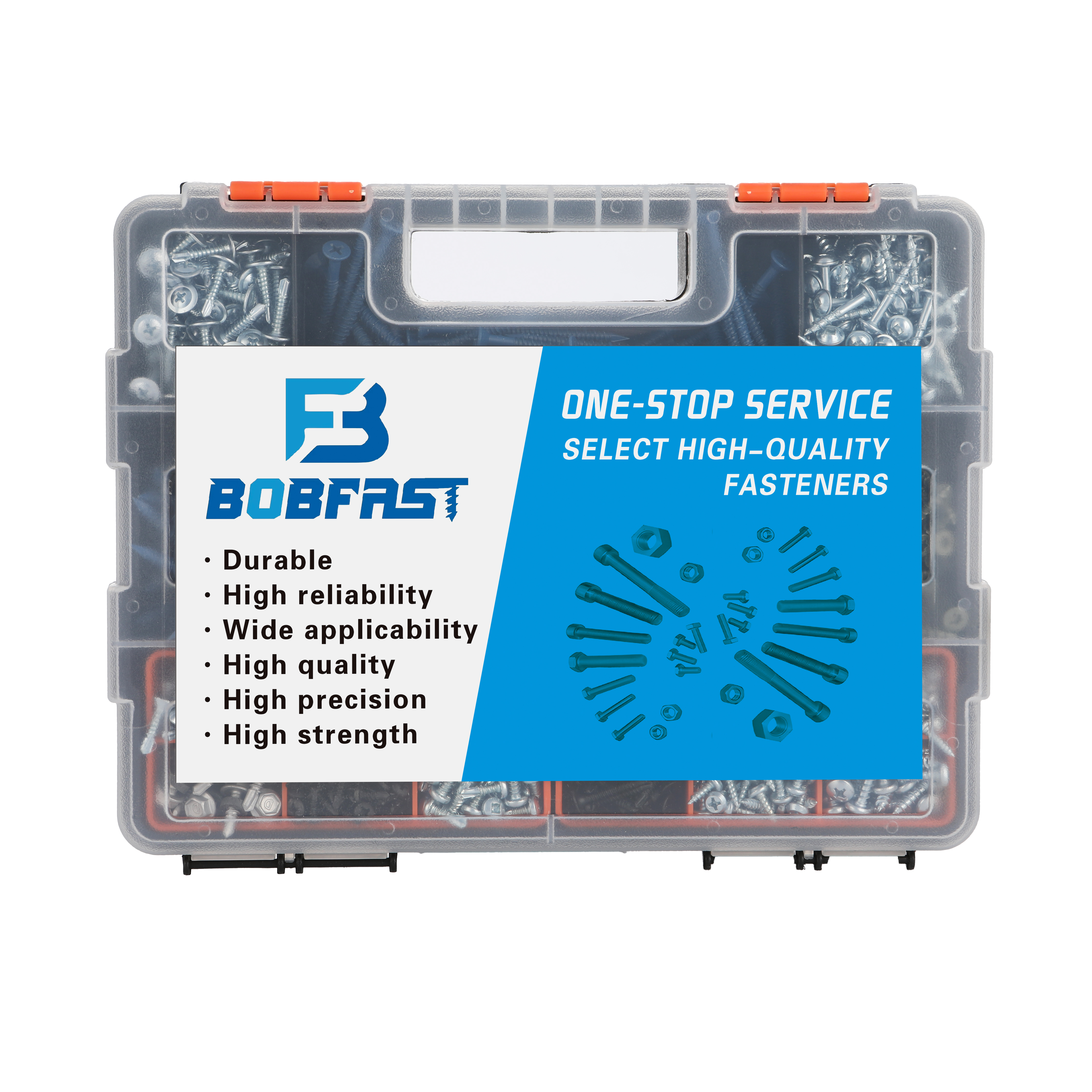
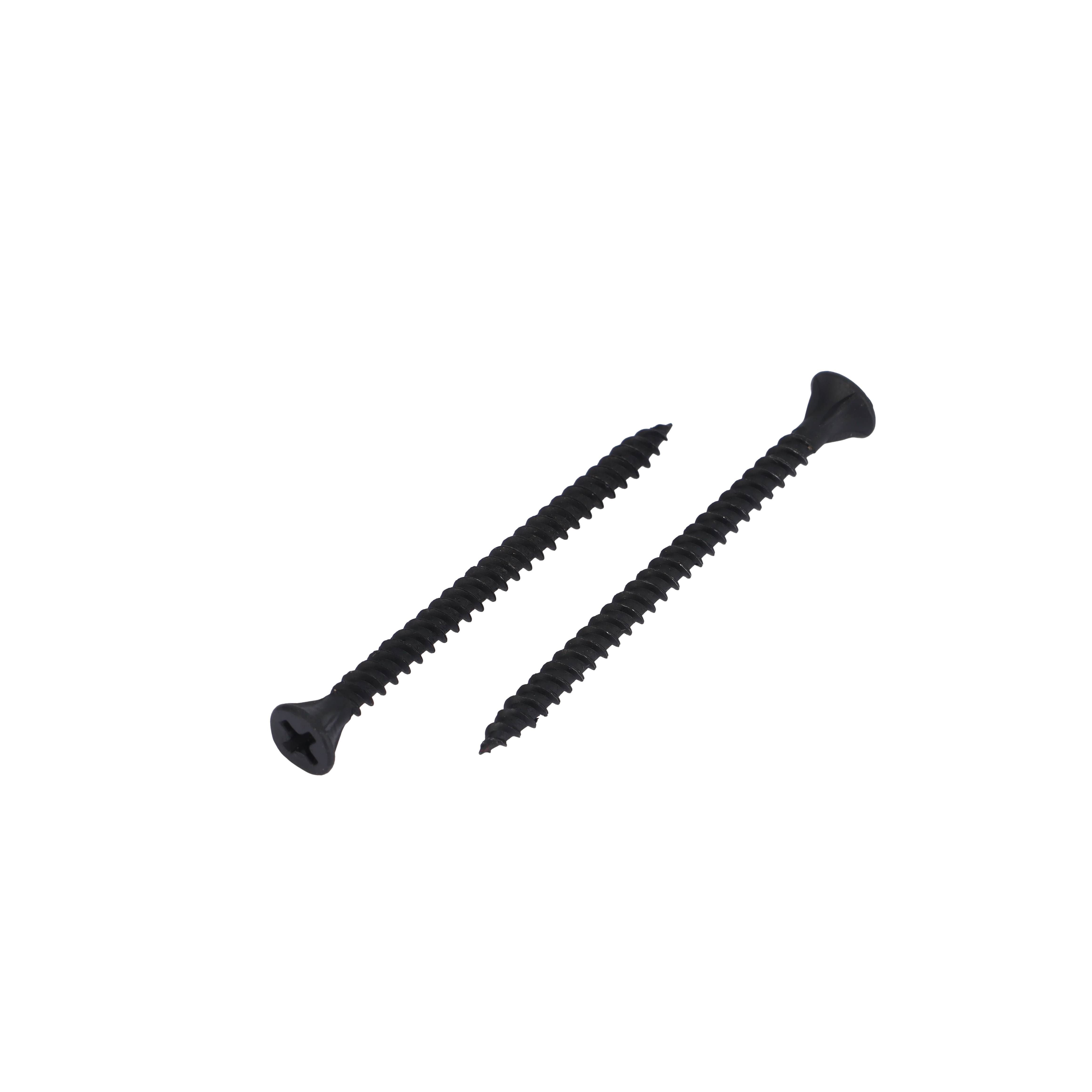
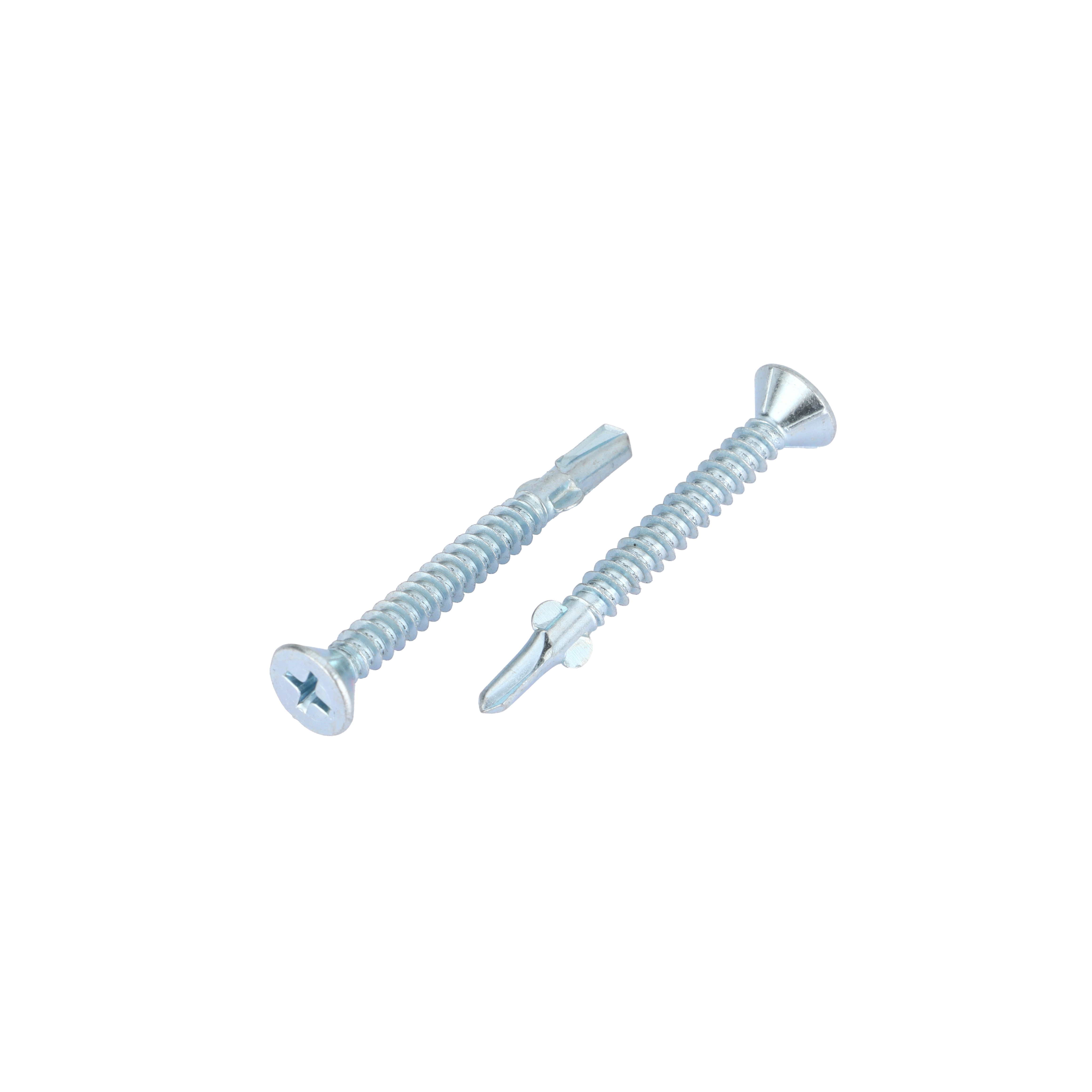
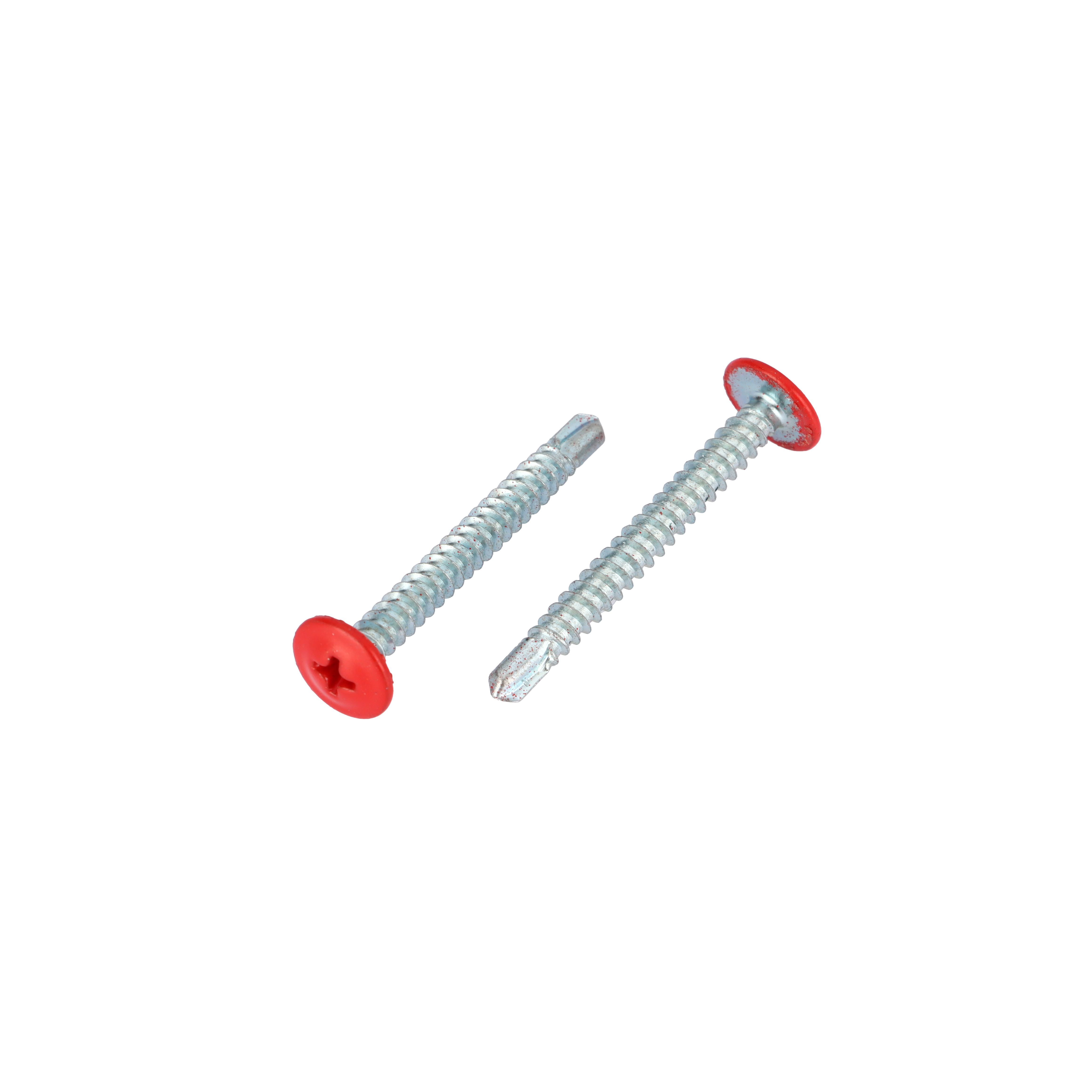
When it comes to construction projects, the significance of reliable fasteners cannot be overstated, and the search for the perfect fasteners for construction leads us to a world of diverse options and crucial considerations. Construction fasteners serve as the unsung heroes that hold structures together, ensuring stability, durability, and safety. From towering skyscrapers that pierce the clouds to sturdy residential buildings that provide shelter, every construction endeavor relies on a wide variety of fasteners to bring architectural visions to life. The range of fasteners for construction is extensive, encompassing bolts, screws, nails, rivets, and anchors, each designed with specific functions and applications in mind. Heavy-duty bolts, for instance, are essential for connecting large structural components, providing the strength and load-bearing capacity required to withstand the immense forces exerted on buildings. High-quality screws, on the other hand, offer precision and versatility, enabling secure connections in various materials such as wood, metal, and concrete, and are often used in finishing work and interior construction.
In the construction industry, the quality of fasteners is of utmost importance. Inferior fasteners can lead to structural weaknesses, compromising the integrity of the entire project and posing significant safety risks. That’s why choosing fasteners from trusted sources is crucial. Reputable suppliers offer construction fasteners that meet stringent industry standards and specifications, ensuring they can endure harsh environmental conditions, heavy loads, and the test of time. These fasteners are typically made from durable materials like high-strength steel, stainless steel, or corrosion-resistant alloys, which enhance their longevity and performance. Additionally, advanced manufacturing techniques are employed to guarantee consistent quality, precise dimensions, and reliable thread forms, enabling seamless installation and optimal functionality.
Another key aspect to consider when sourcing fasteners for construction is compatibility. Different construction materials and project requirements demand specific types of fasteners. For example, when working with concrete structures, specialized anchors such as expansion anchors or drop-in anchors are used to create secure connections. In wooden construction, wood screws and nails are preferred, but their selection depends on factors like the type of wood, the thickness of the members being joined, and the expected load. Ensuring proper compatibility not only ensures a strong and stable connection but also prevents issues such as splitting, stripping, or premature failure.
The availability of a comprehensive range of fasteners for construction is also a major advantage. Whether you’re a general contractor overseeing a large-scale commercial project, a subcontractor specializing in a particular trade, or a DIY enthusiast taking on a home improvement task, you can find the exact fasteners you need. From common, everyday fasteners to specialized, hard-to-find items, the market caters to all requirements. This availability extends to different sizes, lengths, head styles, and finishes, allowing for customization based on the specific demands of the construction job. Moreover, many suppliers offer bulk purchasing options, which can be highly cost-effective for large projects, reducing overall material costs without sacrificing quality.
In addition to quality, compatibility, and availability, factors such as ease of installation, corrosion resistance, and load-bearing capacity also play vital roles in the selection of fasteners for construction. Fasteners that are easy to install can significantly reduce labor time and costs, increasing project efficiency. Corrosion-resistant fasteners are essential, especially in outdoor or high-moisture environments, as they prevent rust and degradation, ensuring the long-term stability of the structure. Understanding the load-bearing capacity of fasteners is crucial for designing safe and reliable buildings, as it determines the maximum weight and stress the fasteners can withstand without failure.
In conclusion, fasteners for construction are integral components that underpin the success and safety of any building project. By prioritizing quality, compatibility, availability, and other key factors, construction professionals and enthusiasts alike can ensure that they select the right fasteners for the job. Whether it’s a small renovation or a massive construction undertaking, making informed decisions about fasteners is essential for creating structures that are not only functional and aesthetically pleasing but also built to last.
 EN
EN