 EN
EN

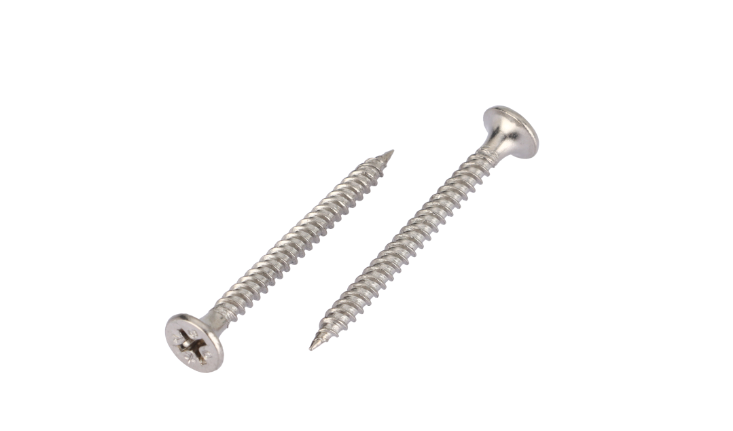
Understand Stainless Steel Grades for Critical Performance
Selecting the appropriate stainless steel grade directly impacts fastener longevity in corrosive environments. Material composition governs corrosion resistance, mechanical strength, and suitability for specific service conditions.
AISI 304 vs. 316: Molybdenum, Microstructure, and Real-World Corrosion Resistance
Grade 304 stainless steel, which has about 18% chromium and 8% nickel, works well against corrosion for everyday stuff like food processing machines. The material forms easily into different shapes, though it doesn't stand up so great when exposed to chlorides over time. Now look at Grade 316 stainless instead. This grade adds around 2 to 3% molybdenum to the mix, and that makes all the difference in places with lots of salt in the air. Tests show that 316 resists pitting damage about 40% better than regular 304 steel. That's why shipyards and chemical factories where saltwater or chloride chemicals are common stick with 316. The added molybdenum helps create these tough protective coatings on the metal surface, especially around tiny flaws in the structure, so the corrosive elements can't get started.
| Property | AISI 304 | AISI 316 |
|---|---|---|
| Molybdenum | None | 2–3% |
| Chloride Resistance | Moderate | High |
| Cost Efficiency | Excellent | Moderate |
Duplex & Super Duplex Grades: Solving Chloride Stress Corrosion in Demanding Applications
When it comes to duplex stainless steels, they're basically a mix of two structures: austenitic and ferritic. This combination gives them about twice the strength compared to regular austenitic types such as 304 or 316 steel. Take super duplex varieties like UNS S32750 (also known as 2507), these contain higher levels of chromium around 25%, plus about 4% molybdenum and 0.3% nitrogen. What does this mean? Exceptional protection against something called chloride stress corrosion cracking, which is a big problem in certain applications. That's why engineers often specify these materials for offshore oil rigs and desalination facilities where saltwater can quickly eat away at standard stainless options. The reason behind their durability lies in their unique microstructure. Cracks simply don't start or spread as easily within this material, so components last anywhere from three to five times longer than 316 stainless when exposed to harsh chloride conditions found in marine environments.
Evaluate Mechanical Integrity Through Testing and Metallurgical Indicators
Beyond Salt Spray: Interpreting ASTM B117 Results in Context of Application Environment
ASTM B117 salt spray testing gives manufacturers a common benchmark to compare how materials resist corrosion, though it falls short of mimicking actual service environments. Getting a 500 hour rating in salt fog chambers doesn't mean parts will last equally long when deployed near oceans or in chemical plants. Real world factors matter too much here. Things like chloride levels in air, acidity changes, temperature swings throughout the day, and those constant wet then dry cycles just aren't part of standard testing protocols. Take coastal areas where chloride concentrations hit around 19,000 mg per cubic meter compared to inland factories at only 5 to 20 mg per cubic meter according to NACE guidelines from 2023. That's why good engineers don't rely solely on B117 results. They check against environmental severity charts, look at past failures, and often run additional tests like cyclic corrosion methods outlined in ASTM D5894 or use techniques such as electrochemical impedance spectroscopy before selecting fasteners for important structures.
Yield-to-Tensile Ratio and Strain Hardening: Key Signals of Proper Forging and Heat Treatment
When looking at stainless steel fasteners, a yield-to-tensile (Y/T) ratio under 0.8 means we have just the right mix of ductility and strength. This balance is really important because it helps these components resist vibrations and perform well over time without breaking down. On the flip side, when ratios get close to or go above 0.8, this usually points to too much hardening happening during production processes. And that makes them more likely to crack suddenly instead of bending as intended. How materials respond to strain actually tells us a lot about how precise the forging was done. Controlled cold working increases tensile strength by creating lots of tiny defects called dislocations in the material's structure. But if deformation isn't properly managed during manufacturing, those same materials can develop microscopic cracks and areas where stress builds up dangerously. Getting heat treatment right matters too since it affects how evenly the austenitic structure forms throughout the metal. We check this using metallographic analysis to make sure there are consistent hardness levels across different parts of the fastener and that grains flow properly. In tests, fasteners that show more than 35% elongation before breaking and maintain a uniform internal structure tend to last significantly longer than others when subjected to repeated stress cycles in laboratory conditions.
Match Stainless Steel Fasteners to Application Requirements
Marine, Chemical, or Food Processing? Aligning Grade Selection with Environmental Aggressiveness
Getting the right stainless steel fastener grade for the environment it faces makes all the difference in how well things hold up over time. For boats and coastal installations where saltwater constantly attacks metal surfaces causing those pesky pits and cracks between parts, we need molybdenum alloys such as 316 or even better options like super duplex 2507. When dealing with chemicals in processing plants, fasteners get hit by acids, bases, and stuff that wants to oxidize everything. Duplex grades work best there, especially 2205 which stands up much better against chlorine related stress issues. Food manufacturing areas have different concerns altogether. Cleanliness matters most along with surfaces that won't react with products or trap bacteria. That's why 304 remains so popular across the industry thanks to its smooth finish and ability to withstand regular cleaning without deteriorating. Don't forget about actual conditions on site though. Look at humidity levels, extreme temps, how long materials stay in contact with chemicals, plus what kind of cleaning routines are used daily. Just knowing general environment categories isn't enough if we want to avoid early failures, dangerous situations, and unexpected equipment shutdowns.
Verify Authenticity and Traceability via Documentation and Standards Compliance
Verifying stainless steel fasteners really requires going through all sorts of paperwork that tracks where the materials came from, how they were processed, and whether they meet industry standards. Good quality manufacturers usually provide something called a Certificate of Conformity (CoC) which shows their alloy matches specs like ASTM A276 for bars or ISO 3506-1 specifically for fasteners themselves. Being able to track batches using heat numbers or lot IDs is pretty important too because it helps back up those mechanical tests and claims about corrosion resistance. Industries dealing with serious risks, think offshore oil platforms for instance, often need extra verification through third parties like NORSOK M-650 to ensure everything meets strict metal requirements and proper testing methods. The whole supply chain depends on having accurate test results, so labs need to be properly calibrated and accredited according to standards like ISO/IEC 17025. These days many regulations demand complete digital records throughout the process. Some companies are even using blockchain technology now, which apparently cut down on fake materials by around 74% in major infrastructure projects according to a recent study by NIST. If there aren't solid documentation rules in place, fake fasteners can slip through unnoticed until they fail catastrophically, sometimes causing disasters we read about in headlines.

