 EN
EN

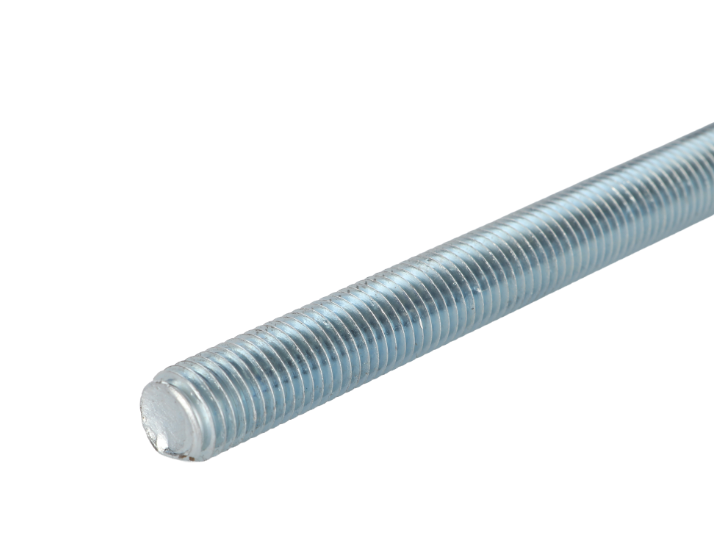
Threaded Rods in Structural Load Support and Anchoring
EN/ISO Compliance and Load-Bearing Certification Requirements
When it comes to structural applications, threaded rods need to meet both EN and ISO standards if we want them to stay safe, last long enough, and perform properly when weight gets put on them. The main specs they have to hit include proven tensile strength, at least 800 MPa for those Grade 8.8 rods according to ISO 898-1 standards. They also need good resistance against shearing forces and should withstand repeated stress without breaking down over time. Getting third party certified isn't just nice to have, it's absolutely necessary. This involves running standard tests like pulling out samples and subjecting them to cycles of loading similar to what happens in actual construction sites. Take bridges or tall buildings for instance, where Grade 10.9 rods actually need extra checks specifically for how they handle earthquakes per ISO 15848 guidelines. And let's not forget about tracking everything back through the supply chain too. Manufacturers have to keep detailed records of all materials and production steps under EN 1090 execution classes so that every batch coming off the line maintains the same level of quality.
| Certification Parameter | Test Standard | Critical Threshold |
|---|---|---|
| Minimum Tensile Strength | ISO 898-1 | 800 MPa (Grade 8.8) |
| Shear Resistance | EN 14399-4 | 60% of tensile strength |
| Cyclic Loading Performance | ISO 16130 | 2 million cycles minimum |
Concrete Installation Best Practices: Embedment Depth, Edge Distances, and Pull-Out Resistance
Getting good pull out resistance from concrete really comes down to how things are installed properly. The embedment depth needs to be somewhere between 8 and 12 times what the rod measures across. Take an M24 rod placed into 35 MPa concrete for instance it typically needs around 300 mm embedded just to reach that 120 kN capacity mark. When placing anchors near edges, make sure there's space equal to at least five times the diameter away from the edge so the concrete doesn't split apart especially where tension forces are strongest. There are several other important considerations too. Letting the concrete cure for at least seven days before putting any load on it matters a lot. Holes need to be pretty close match to the rod size within about 2 mm difference otherwise problems happen later. Cleaning those drilled holes thoroughly removes all sorts of debris that might weaken the bond between rod and concrete. Applying the right amount of torque is also crucial because too much pressure can actually crack the surrounding concrete while too little won't provide enough holding power. If someone ignores these basic rules, they risk losing up to 40% of what the system was designed to handle which obviously creates serious safety concerns down the road.
Critical Sector Applications of Threaded Rods
Renewable Energy: Wind Turbine Towers and Solar Racking Systems
Threaded rods play a really important role in building out renewable energy systems. Take wind turbines for instance. The high strength rods hold together those big tower segments and actually fasten the whole foundation into solid bedrock beneath them. We're talking about forces way beyond what most people imagine - around 740 thousand dollars worth of load on each installation according to recent data from the Global Wind Energy Council. These components have to handle constant vibrations and repeated stresses day after day for literally decades. When it comes to solar panels, we need special corrosion resistant rods too. Most of these get a protective coating like zinc flake to fight off rust. They keep all those solar panels lined up just right while allowing space for expansion when temperatures change. What makes these rods so valuable is their adjustability factor. This means they keep working well even in different weather conditions across the country. Especially along coastlines where salty air eats away at materials faster than normal.
Heavy Machinery and Infrastructure: Alignment, Modular Integration, and Post-Tensioning Anchors
Threaded rods play a big role in both industrial settings and civil engineering projects where precise alignment matters. These rods let engineers make tiny adjustments down to the millimeter when setting up heavy machinery or conveyor belts, which keeps everything running smoothly and safely. For bridges, contractors often use Grade 10.9 threaded rods with post-tensioning anchors. The rods push compressive force through those grouted ducts, making the whole structure stronger than standard concrete work. According to a recent report from ASCE Infrastructure back in 2023, this technique can actually stretch bridge spans almost 40% longer than traditional methods. When it comes to retrofitting buildings against earthquakes, many professionals opt for coarse thread variants because they install quicker and stay tighter even when subjected to all sorts of vibrations and movements over time.
Material Selection and Technical Specifications for Engineering Reliability
Coarse vs. Fine Threads, Tensile Strength Classes (e.g., Grade 4.6 to 10.9), and Corrosion-Resistant Coatings
Picking out the correct threaded rod means looking at three main factors: thread type, strength rating, and how well it resists corrosion. Coarse threads are great because they assemble quicker and don't get damaged as easily when there's vibration around, which makes them perfect for places where machines shake a lot during operation. Fine threads on the other hand allow for much better adjustments and actually hold more weight relative to their size, so engineers often go for these when building things like machine foundations where precision matters most. The strength ratings run from pretty basic stuff like Grade 4.6 at 400 MPa for simple jobs all the way up to heavy duty Grade 10.9 at 1040 MPa for serious structural work. According to ISO standards, anything holding real weight needs at least Grade 8.8 or above. When it comes to protecting against rust, regular zinc coating works fine inside buildings, but if we're talking about outdoor projects near saltwater or chemical plants, then hot dipped galvanized rods or stainless steel options (like A4 or A2 grades) become necessary. Recent research showed something interesting too – nearly 37 percent of all failed bolts came down to wrong material choices, so getting those coatings and strength levels right really does make a difference in long term reliability.

