 EN
EN

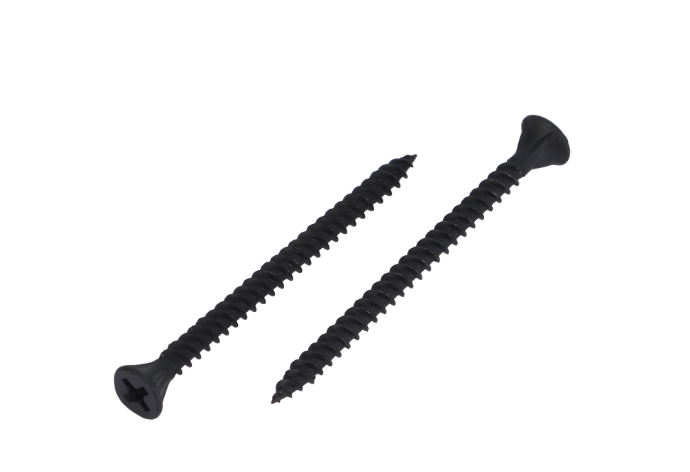
Core Principles of Self-tapping Screws: Mechanism, Types, and Material Engagement
Thread-forming vs. thread-cutting: Matching mechanism to substrate hardness and ductility
There are basically two ways self tapping screws make their own threads, each designed for different materials. The first type, called thread forming screws, works by pushing into softer stuff like metal alloys, plastics, or wood without actually cutting away any material. This creates compressed threads that hold up better against vibrations and keep loads secure. These are commonly found in things like air conditioning systems made from aluminum frames and plastic boxes where we need to avoid cracks forming during installation. On the other hand, thread cutting screws have those sharp flute edges that cut through the material as they go. They work best when dealing with tougher materials such as stainless steel, solid hardwoods, or thick composite boards. According to some industry standards (like ASTM F2329-21), getting the right screw for the job can cut down on failed installations by around 38%. Makes sense really, since using the wrong tool for the material just invites problems down the line.
| Mechanism | Ideal Materials | Key Benefit | Avoid Using In |
|---|---|---|---|
| Thread-forming | Plastics, soft metals, wood | Prevents cracking | Brittle/hard materials |
| Thread-cutting | Steel, hardwood, alloys | Efficient chip removal | Ductile thin sheets |
Material hardness (e.g., Rockwell C or B scale) and thickness guide selection: thread-forming suits substrates under 80 HRB; thread-cutting handles denser, higher-strength materials.
Self-drilling, self-tapping, and self-piercing screws — when to use each in construction
There are three main types of specialty screws designed for different structural needs. The self drilling screw comes with a hardened tip and special flute design that can go right through metal up to half an inch thick without needing any pilot holes first. These are really important when connecting structural steel components in commercial construction projects. Regular self tapping screws need a hole drilled beforehand but they create much better threads when joining materials together, especially in situations like attaching wood to concrete where tests show they hold about 25 percent stronger than other options available. Then there's the self piercing variety which has those wide washers on top and specially shaped threads that actually seal against water leaks in thin metal roofing panels three millimeters or less thick. Contractors report these cut down installation time roughly two thirds compared to traditional nested fastening methods. When picking between them, look at what material thickness you're dealing with and how critical the connection is. Use self drilling for thick metal parts, standard self tappers work best when combining different materials, and save the self piercers for lightweight metal sheets where keeping out moisture matters most.
Selecting Self-tapping Screws for Metal Substrates
Steel-to-steel fastening: Why self-drilling screws excel in sheet metal and structural connections
When working with steel, self-drilling screws beat regular self-tapping screws hands down because they come with a built-in drill bit. This means no need for extra drilling steps since they create accurate, strong threads right away. These screws can go through steel plates as thick as half an inch without needing any pilot holes first, cutting down on installation time by around 40% when building things like factory mezzanines or structural support beams. The special shape of the screw's flutes helps push away metal chips during installation, which prevents sticking and keeps the clamping force even across the joint. For projects exposed to constant vibrations or heavy loads, these screws hold up much better over time than old fashioned bolts would. They just don't loosen up or fail catastrophically like traditional fasteners might in demanding conditions.
Material compatibility: Stainless steel, carbon steel, and brass self-tapping screws for corrosion resistance
The type of metal used for screws needs to match what kind of environment they'll be exposed to if we want them to last. Take 316 stainless steel for instance it stands out in resisting chloride damage which is super important for things built near oceans or on boats. Testing shows these screws can last about five times longer than regular carbon steel in salt spray conditions. Carbon steel options still make sense economically for indoor projects where corrosion isn't a big concern, especially when coated with zinc flakes around 10 microns thick. But watch out they don't hold up well against acid rain. Brass screws find their place in special situations where magnetic interference matters or when electricity needs to pass through, but since brass isn't as strong as other metals, it's mostly used for lightweight jobs that don't need structural integrity. Most engineers know to check the ISO 12944 standards when picking materials because these guidelines help connect specific screw types with how harsh the environment will be and how long the installation needs to last.
Optimizing Self-tapping Screws for Wood and Composite Materials
Wood density, moisture content, and pilot hole requirements for reliable thread formation
The density of wood along with how much moisture it contains really matters when it comes to getting good threads formed. Most softwoods like pine or spruce will take self tapping screws just fine without needing any pilot holes first. But hardwoods such as oak and maple tell a different story they usually need those tiny holes drilled ahead of time about 70 to maybe 90 percent the size of the screw shaft to stop them from splitting apart. When wood has too much moisture in it over 19% actually the threads don't hold well because the fibers get squished instead of gripping properly. For engineered materials including things like MDF boards and particleboard, drilling those little starter holes makes all the difference avoiding that annoying surface flaking while making sure the threads bite evenly into the material. And speaking of modern construction techniques, cross laminated timber or CLT works pretty reliably with the right sized self tapping screws as long as they're installed correctly something that structural engineers have confirmed through their various tests and standards.
Wood-to-metal joints: Balancing shank length, thread engagement, and pull-out resistance
Getting solid connections between wood and metal isn't all about how strong the screws are but actually depends heavily on getting the geometry right. The part of the screw without threads needs to cover the whole metal piece completely, and the threaded section should go into the wood at least two thirds of its total length. Take attaching a 3mm thick steel bracket for instance – look for screws where the non-threaded part is roughly 2.5 times longer than the bracket itself. Woodworkers have noticed something interesting too: when the thread spacing matches up with how dense the wood grains are, pull out resistance goes up around 40%. Coarse threads work best in softer woods because they grab hold better, while finer threads tend to bite into harder woods and composite materials without causing splits. And don't forget this important detail – the threads need to stick out past the metal surface by about five times the diameter of the screw shaft. This helps spread out the pressure evenly across the joint and stops those frustrating situations where the whole thing just pulls right through.
Using Self-tapping Screws in Plastics and Brittle Substrates
Preventing cracking: Blunt-tip vs. sharp-tip screws and controlled torque for thermoplastics and composites
The shape of screw tips and how much torque we apply makes all the difference when working with brittle or semi-crystalline plastics. Blunt tip screws (those that form threads) create radial compression forces. These work fine for flexible plastics like polyethylene but can be dangerous with brittle stuff such as acrylic or polystyrene because the hoop stress tends to start cracks forming. On the flip side, sharp tip screws cut rather than push through material, cutting down on hoop stress by around 30 to 40 percent in these tougher substrates. When dealing with fiber reinforced composites like carbon fiber laminates though, blunt tips actually become better since they help prevent fibers from fraying out and layers separating from each other. Getting torque right matters too much to ignore. Too much force will crack thermoplastics at microscopic levels, while not enough lets joints slowly come apart over time. For best results, always use properly calibrated drivers, keep installation speeds below 500 RPM, and cut max torque settings by about a quarter when working with glass filled nylon compared to regular grades. And remember to test different combinations under actual operating conditions where temperature changes happen regularly. Thermal expansion differences between parts can really speed up stress fractures developing if ignored.

