 EN
EN

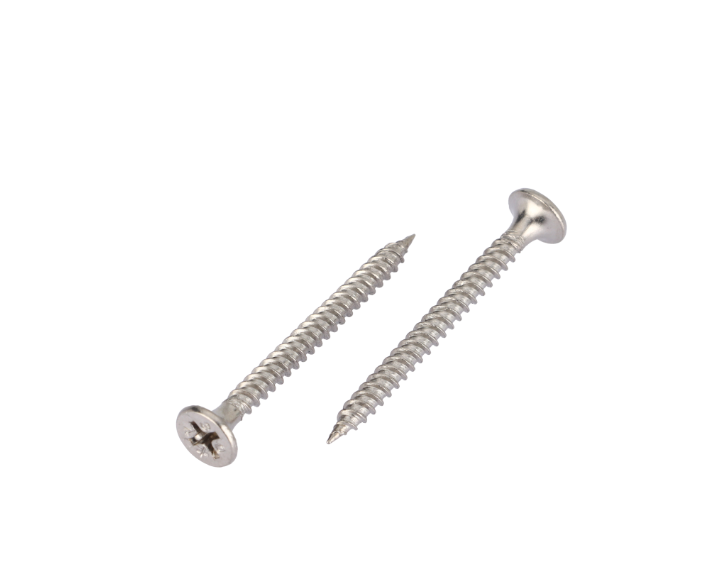
Superior Corrosion Resistance for Demanding Environments
Performance in saline, humid, and coastal conditions
Stainless steel fasteners stand out when it comes to protecting against salt damage in places like coastal infrastructure and marine construction projects. The reason? They contain plenty of chromium which creates a protective film on their surface that keeps working even after minor scratches occur from saltwater exposure and high humidity levels. Grade 316 stainless takes things further by adding around 2 to 3 percent molybdenum content, making these bolts much better at fighting off those pesky chloride attacks that cause pitting and crevice corrosion problems. Marine engineers have found that this upgrade cuts down rust risks by about 70% compared to regular carbon steel fasteners sitting in splash zones near water. For industries operating offshore platforms, harbors, or desalination facilities, choosing the right stainless grade matters a lot since failed fasteners can lead to massive costs. Some reports suggest unexpected failures might cost upwards of seven hundred forty thousand dollars just in lost production time alone according to research published by the Ponemon Institute back in 2023.
Chemical resistance: salt, fertilizers, acids, and cleaning agents
Stainless steel fasteners don't just handle seawater well—they can also stand up to some pretty harsh industrial chemicals like sulfuric acid, those ammonia based fertilizers we see everywhere these days, and even strong chlorine disinfectants. The reason? They have this protective oxide layer that forms naturally on the surface. What this means is they resist problems like pitting and crevice corrosion, which are real headaches for manufacturers working with all sorts of pH levels in chemical plants and farms. Take 316L stainless steel as an example. It keeps going strong even when exposed to boiling phosphoric acid or formic acid at concentrations as high as 90%. Sodium hypochlorite sanitizers won't phase it either. For folks running food processing lines or fertilizer operations where accidental chemical spills happen more often than anyone wants, this kind of durability makes a world of difference. Standard fasteners might need replacing every few months under such conditions, but these stainless ones last much longer, cutting down on maintenance costs and downtime.
Exceptional Durability and Structural Longevity
Fatigue resistance under cyclic loading and environmental stress
Stainless steel fasteners hold up really well when subjected to constant mechanical stress and harsh environmental conditions. Carbon steel tends to form tiny cracks over time when exposed to vibrations or temperature changes, but this isn't so much of an issue with austenitic stainless steels like 304 and 316. These materials actually get stronger as they're worked, which helps them resist crack spreading. Tests have demonstrated that after about ten million cycles in saltwater environments, these stainless grades maintain around 40% more fatigue resistance compared to other options. This makes them essential components in applications where joints need to stay intact despite continuous movement forces, such as in rotating machinery parts, railway systems, ships at sea, and buildings located in earthquake zones.
Real-world validation: stainless steel fasteners in bridges and offshore platforms
Real world results speak volumes about how long these materials last. Coastal bridges equipped with stainless steel fasteners have been standing strong for over 50 years without needing replacements while their counterparts with coated carbon steel typically need replacing every 12 to 15 years. The offshore sector tells an even better story. Research from the North Sea area showed that switching to stainless fasteners cut down on maintenance expenses related to corrosion by around two thirds each year for individual platforms, translating to roughly $740k saved annually according to findings published by NACE International back in 2023. Such lasting performance means lower overall costs when considering everything from installation to eventual replacement. Structures don't suffer from weakening connections as fasteners degrade over time either, which explains why so many engineers working on ships, chemical plants, and other critical infrastructure projects are making the switch to stainless solutions that promise permanence and minimal risk factors in the long run.
High Mechanical Strength Across Critical Stainless Steel Fastener Grades
Stainless steel fasteners come in different strengths that match various job requirements. The austenitic types such as 304 and 316 have around 483 MPa tensile strength when they're annealed, which works well for many average load situations. These grades also handle environments with saltwater or chlorides better because they contain molybdenum. When dealing with really tough mechanical jobs, the martensitic grade 410 can reach over 700 MPa after being heat treated, although it doesn't resist corrosion quite as well as others. Engineers appreciate this range of options since it lets them pick what's needed without spending extra on something stronger than required. This matters a lot in places where both harsh conditions and heavy loads are present at the same time.
| Property | 304/316 Stainless | 410 Stainless | Grade 8 Carbon Steel |
|---|---|---|---|
| Tensile Strength | 483 MPa | 700+ MPa | 1,200 MPa |
| Yield Strength | 207 MPa | 550 MPa | 1,030 MPa |
| Corrosion Resistance | High | Moderate | Low (requires plating) |
Stainless steel is preferred when long-term structural performance depends on resisting both load and corrosion—particularly where carbon steel's vulnerability undermines safety or uptime. The ISO 3506 Class 70 standard (700 MPa minimum tensile strength) validates stainless steel fasteners for structural use in harsh, cyclic-loading environments.
Reliable Performance Across Extreme Temperature Ranges
Cryogenic stability and high-temperature resilience up to 800°C
Stainless steel fasteners keep their strength through some pretty extreme temperature changes. We're talking as cold as -200 degrees Celsius down to blistering hot conditions around 800 degrees Celsius. Certain types of austenitic alloys stay flexible and won't crack even when things get really cold, which is why they show up so much in those massive LNG storage tanks and transportation vessels. When temps climb higher, these special stainless grades with lots of chromium and nickel stand up better against rust, surface damage, and gradual shape changes compared to regular carbon steel parts that start failing around 400 degrees. What makes this possible? Their unique internal structure stays consistent through all that heating and cooling without breaking down unexpectedly.
| Temperature Extreme | Performance Characteristic | Industry Application |
|---|---|---|
| –200°C | Retains 90% tensile strength | LNG storage tanks |
| 800°C | Maintains creep resistance | Power generation turbines |
With predictable thermal expansion across this 1,000°C span, stainless fasteners prevent joint loosening in refineries, aerospace assemblies, and fire-critical systems—eliminating the derating and redundancy required with polymer or lower-grade metallic alternatives.
Lifecycle Cost Efficiency of Stainless Steel Fasteners
Reduced total cost of ownership: lower maintenance, fewer replacements
Stainless steel fasteners definitely cost more upfront compared to galvanized or regular carbon steel options, but they pay off big time when it comes to resisting corrosion over time. The need for maintenance drops off a cliff really - some factories report cutting labor costs by around 40% because these fasteners just don't rust away like others do. Plus there's no replacing them early on since they last so much longer. This becomes even more important in those tough spots that are difficult to reach, where getting workers up there with all the equipment can actually end up costing more than the materials themselves sometimes. Looking at things over two decades, most construction projects find that stainless steel fasteners end up being about 25 to 30 percent cheaper overall than their carbon steel counterparts according to various industry studies.
Industry-specific ROI: marine, food processing, and chemical plants
When looking at finances, things get much better when dealing with corrosive environments. Take marine areas for instance. Stainless steel fasteners basically eliminate those regular replacements needed for docks and piers that happen roughly every three to five years with normal hardware. Food processors love them too because they don't react chemically, which means they can handle all those harsh cleaning agents without breaking down over time. This cuts down on those frustrating plant shutdowns caused by contamination issues. The chemical industry has seen something pretty impressive as well. Plants using stainless report about half as many emergency fixes compared to traditional materials since they stand up so well against acids. Looking across different industries, while stainless does cost more initially, this investment pays off big time in terms of keeping operations running smoothly, getting more life out of equipment, and avoiding those expensive safety incidents or regulatory problems that come with failing standards.
FAQ
Why are stainless steel fasteners preferred in coastal and marine environments?
Stainless steel fasteners are preferred in coastal and marine environments because they offer superior corrosion resistance. They contain chromium and molybdenum, providing a protective layer that withstands saltwater exposure and chloride attacks.
How do stainless steel fasteners handle chemical exposure?
These fasteners resist harsh industrial chemicals like sulfuric acid, ammonia-based fertilizers, and disinfectants due to a natural protective oxide layer, making them ideal for chemical plants and environments with varied pH levels.
What is the lifecycle cost comparison between stainless and carbon steel fasteners?
Though stainless steel fasteners have a higher upfront cost, they prove more economical over time. They lower maintenance and replacement needs, reducing total cost of ownership by up to 30% in the long term compared to carbon steel alternatives.
What are the benefits of stainless steel fasteners in extreme temperatures?
Stainless steel fasteners retain their mechanical properties in extreme temperatures, from -200°C to 800°C, maintaining tensile strength and resisting creep, making them reliable in cryogenic and high-heat applications like LNG storage and power turbines.

