 EN
EN

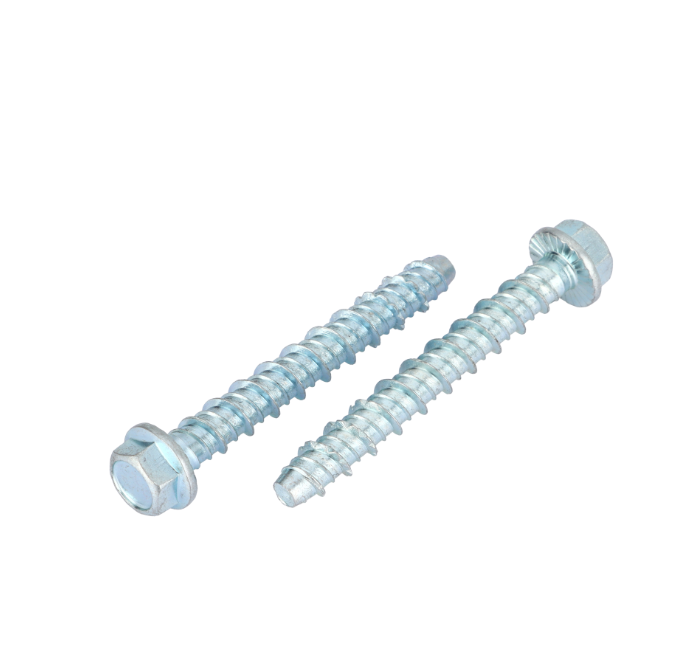
Leading Global Suppliers of Industrial Bolts and Nuts
Industrial bolts and nuts are made all over the world, with major production happening in North America, Europe, and throughout Asia. Many top suppliers have ISO 9001 certification and can customize their products for different industries like aerospace, construction work, and energy projects. American companies making high strength fasteners often use advanced cold forming methods along with Just-In-Time shipping systems, which cuts down on waiting periods by around 30 to maybe even 40 percent depending on what exactly needs to be ordered. The Asia Pacific region tends to handle most of the cheaper priced applications though, and according to Globenewswire from last year, we're looking at about a 4.2% annual growth rate for fasteners there until 2029. Makes sense really since manufacturing costs stay lower in those areas.
Comparison of Fastener Suppliers in North America, Europe, and Asia
| Region | Specialization | Average Lead Time | Cost Advantage |
|---|---|---|---|
| North America | High-grade alloy fasteners | 2-4 weeks | Premium pricing |
| Europe | Precision aerospace fasteners | 3-5 weeks | Moderate |
| Asia | High-volume standardized fasteners | 1-2 weeks | 15-30% lower |
European manufacturers lead in producing titanium aerospace fasteners requiring tight tolerances, while Asian suppliers leverage economies of scale for mass-produced standard parts. North American producers specialize in alloy steel innovations critical for oil and gas operations under extreme pressure conditions.
Role of ISO and ASTM Certifications in Supplier Credibility
Certifications such as ISO 9001 and ASTM F568M are key indicators of supplier reliability. Facilities holding dual certification report 58% fewer quality incidents (Ponemon 2023). For example, ASTM A193 Grade B8 stainless steel bolts undergo rigorous stress-corrosion testing, making them essential in chemical processing environments where failure risks are high.
Case Study: How a U.S. Automotive Plant Sourced Reliable Fasteners
A Midwest automotive manufacturer reduced assembly-line downtime by 72% after switching to a German-engineered bolt system compliant with DIN 933 standards. By partnering with a global supplier specializing in torque-optimized fasteners, the plant achieved:
- 40% fewer thread-stripping incidents
- 18% improvement in maintenance cycle efficiency
This shift highlighted the value of precision engineering and international quality benchmarks in improving operational performance.
Emerging Trend: Digital Procurement Platforms for Industrial Fastener Manufacturers and Suppliers
Today's B2B marketplaces let buyers compare prices instantly among over 150 certified suppliers right at their fingertips. A recent look at industry data from the 2024 Industrial Fastener Market Report shows something interesting: around two thirds of procurement departments actually cut down on sourcing expenses when they started using those smart AI platforms. These tools do all sorts of things behind the scenes too. They check if suppliers have proper certifications and even guess what might go wrong with delivery times. The result? Companies save time and money since the whole process gets streamlined by nearly half compared to old school methods that took forever.
Material Selection for Industrial Bolts and Nuts
Common Materials for Bolts and Nuts: Steel, Stainless Steel, Brass, Aluminum, Titanium
Most industrial fasteners are made from steel, which makes up around 90% of what gets produced because it holds together really well under stress (think up to 150,000 pounds per square inch) without breaking the bank. When things get wet or corrosive, stainless steel comes in handy, especially grades 304 and 316 that stand up better against rust and chemicals. For lighter weight needs where electricity matters, brass and aluminum take center stage. And then there's titanium, this amazing metal that packs serious strength without weighing much at all. That's why it's so popular in airplanes and other high tech stuff that needs to work reliably even when temperatures swing between about 200 degrees Fahrenheit and 800 degrees Fahrenheit.
Material Performance Under Extreme Conditions in Oil & Gas Applications
Nickel based alloy bolts are essential components in oil rigs and pipelines because they stand up against hydrogen sulfide exposure while handling pressures as high as 15,000 psi. When temperatures get extreme, materials matter a lot. Take Inconel for instance it keeps about 85 percent of its tensile strength even when things heat up to around 1,200 degrees Fahrenheit. That kind of performance is critical for blowout preventers which need reliable materials under intense conditions. Down in the Arctic where drilling operations face brutal cold, engineers turn to low temperature carbon steels specified by ASTM A320 standards. These special steels help avoid those catastrophic brittle fractures that can happen at minus 50 degrees Fahrenheit, keeping structures intact despite the freezing environment.
Corrosion Resistance Comparison: Stainless Steel vs. Alloy Steel Industrial Bolts and Nuts
According to research published in 2023 on metal degradation, 316 stainless steel bolts tend to outlast their alloy steel counterparts by about 40% when exposed to saltwater conditions. Sure, alloy steel might cost around 30% less upfront, but what many overlook is how stainless steel forms this protective chromium oxide layer that basically makes it want to stick around for much longer in harsh environments. The difference in replacement rates can be staggering actually, with stainless bolts needing changing only once every four times compared to regular alloy ones. Then there's galvanization to consider too. These coatings typically run between 12 to 35 cents extra per bolt, but they really pay off in the long run, adding anywhere from 8 to 12 additional years of service life in places where humidity is constantly high.
Understanding Bolt Grades and Strength Specifications
Decoding SAE, ASTM, and DIN Bolt Grades for Industrial Applications
The bolt grading systems SAE, ASTM, and DIN basically tell us about the strength characteristics that matter most when it comes to safety and how well things hold together. For SAE bolts, there are these little radial lines on them. If we see three lines, that means it's a Grade 5 bolt rated at around 120,000 pounds per square inch. When there are six lines, we know it's a stronger Grade 8 bolt with about 150,000 PSI strength. Then there are the ASTM standards such as A325 and A490 which apply specifically to those big structural bolts found throughout buildings and bridges. These can handle similar levels of tension force too. Over in Europe, they commonly use DIN standards where 8.8 grade bolts have approximately 116,000 PSI strength while their 10.9 counterparts reach up to that same 150,000 PSI mark seen in Grade 8 bolts from other regions.
| Grade Standard | Tensile Strength (PSI) | Common Applications |
|---|---|---|
| SAE Grade 5 | 120,000 | Automotive, general machinery |
| ASTM A490 | 150,000 | Steel bridges, high-rise construction |
| DIN 10.9 | 150,000 | Heavy industrial equipment |
Tensile Strength Requirements for Construction and Heavy Machinery
Getting the right balance between bolt strength and what they need to hold up is critical for any structural work. The ASTM A325 bolts rated at about 120 thousand pounds per square inch are commonly used to secure commercial steel structures, whereas the stronger A490 bolts at around 150 thousand psi handle much heavier loads in things like tall buildings and those big suspension bridges we see across rivers. When engineers get this wrong, problems happen. Looking back at recent testing in earthquake-prone areas, roughly one out of every five fastener failures last year was traced back to using bolts that weren't strong enough for their job. That's why construction specs always emphasize matching bolt ratings to actual load requirements.
Matching Nut Grades and Material Specifications to Bolt Strength
Nuts must meet or exceed the bolt’s grade; pairing a Grade 5 nut with a Grade 8 bolt reduces joint integrity by 40%. In marine environments, stainless steel nuts should match corrosion-resistant bolts. Heat-treated alloy nuts maintain clamping force in high-vibration machinery, preserving long-term reliability.
Industry Paradox: High-Grade Bolts Failing Due to Mismatched Nuts
A 2023 study revealed that 34% of industrial fastener failures stem from underspecified nuts despite correct bolt selection. For instance, a Grade 10.9 bolt paired with a Grade 8 nut can lose 28% of its load capacity. The 2024 Global Fastener Standards Report stresses unified specification checks to prevent this preventable issue.
Types of Industrial Bolts and Nuts for Specialized Applications
An overview of types of bolts and nuts used in marine and aerospace sectors
The harsh conditions of marine settings require special materials like ASTM F594 stainless steel fasteners to stand up against saltwater corrosion. Meanwhile, the aerospace industry turns to titanium parts because they deliver just the right balance between strength and weight. According to research published by the Marine Equipment Trade Association last year, an alarming 92% of problems with offshore rigs were traced back to either mismatched or low quality fasteners. This highlights why getting the materials right matters so much in these applications. Today's top manufacturers are stepping up with innovative solutions such as thread locking flange nuts designed specifically to combat the issue of bolts coming loose from constant vibrations in both ship engines and airplane turbine systems where reliability cannot be compromised.
Hex bolts, anchor bolts, and flange nuts: Matching types of industrial bolts and nuts to use cases
| Bolt/Nut Type | Key Features | Optimal Applications |
|---|---|---|
| Heavy Hex Bolts | SAE J429 Grade 5+ | Structural steel connections |
| Double-End Anchor Bolts | ASTM F1554 compliance | Concrete-to-steel mounting |
| Nylon-Insert Flange Nuts | Vibration resistance | Automotive chassis systems |
| Tension Control Bolts | Precisely calibrated torque | Bridge construction |
Recent advancements include A4-80 stainless steel hex bolts meeting both ISO 3506 and MIL-SPEC standards, enabling cross-industry compatibility. One leading automaker reduced assembly line downtime by 37% after adopting high-torque flange nuts for robotic welding stations, according to their 2024 maintenance report.
Innovation spotlight: Configurable fasteners from innovative suppliers
Engineers are increasingly turning to custom made parts for on demand manufacturing needs, especially when it comes to tricky components such as left handed threaded shoulder bolts or those bi metallic joints that resist corrosion. Take one recent project in aerospace for example where they printed Inconel 718 fasteners using 3D printing techniques and built strain sensors right into them. The result? A pretty impressive 18 percent drop in overall weight compared to traditional methods. And let's not forget about digital twin tech which allows manufacturers to test how different bolt nut combos perform without actually building prototypes. These simulations run at mind boggling conditions too cold enough to mimic space environments at minus 321 degrees Fahrenheit and pressurized to levels reaching 15 thousand pounds per square inch. All this means big savings on expensive physical prototypes that would otherwise break during testing.
Strategic Supplier Selection for Long-Term Industrial Needs
Evaluating Bolt and Fastener Supplier Selection Based on Reliability and Lead Times
Top manufacturers prioritize suppliers with ISO 9001 certification and consistent material quality. A 2023 industrial survey showed that 68% of procurement specialists rank lead time reliability above initial cost for mission-critical fasteners. Key evaluation metrics include:
- On-time delivery rates (>98% target)
- Batch traceability systems
- Scalable production capacity
Strategic sourcing emphasizes aligning supplier capabilities with long-term operational needs rather than short-term savings. Aerospace firms, for example, now require ‘72-hour emergency replenishment for high-strength fasteners.
Building Partnerships With Suppliers of Configurable Fasteners (e.g., Misumi)
Progressive companies are moving from transactional purchases to co-development partnerships with modular fastener providers. One automotive leader reduced assembly line downtime by 41% by collaborating with a configurable bolt supplier to standardize 23 custom thread designs across six plants. These collaborations enable:
- Joint R&D for application-specific coatings
- Volume-based pricing models
- Integrated quality control protocols
Future Outlook: AI-Driven Inventory Management and Just-in-Time Delivery Trends
Predictive analytics now achieve 94% accuracy in forecasting fastener demand for heavy machinery maintenance. Smart warehouses using RFID-tagged inventory have cut overstock costs by $18.20 per SKU monthly (2024 Logistics Tech Report). Emerging innovations include:
- Autonomous replenishment algorithms
- Blockchain-based material provenance tracking
- On-demand 3D printing hubs for urgent replacements
Top B2B Marketplaces Offering Certified Industrial Fasteners
Global procurement platforms now verify 12-15 quality parameters for industrial bolts and nuts, including hardness variance (±2 HRC) and salt spray resistance (1,000+ hours). Leading marketplaces prioritize suppliers with API 20E certifications for oil/gas applications and NADCAP accreditation for aerospace components. Bulk buyers benefit most from platforms offering:
- Real-time compliance documentation
- Multi-region fulfillment centers
- Embedded metallurgical testing services
Table of Contents
- Leading Global Suppliers of Industrial Bolts and Nuts
- Material Selection for Industrial Bolts and Nuts
- Understanding Bolt Grades and Strength Specifications
- Types of Industrial Bolts and Nuts for Specialized Applications
-
Strategic Supplier Selection for Long-Term Industrial Needs
- Evaluating Bolt and Fastener Supplier Selection Based on Reliability and Lead Times
- Building Partnerships With Suppliers of Configurable Fasteners (e.g., Misumi)
- Future Outlook: AI-Driven Inventory Management and Just-in-Time Delivery Trends
- Top B2B Marketplaces Offering Certified Industrial Fasteners

