 EN
EN

How Self-Tapping Screws Work: Mechanism and Material Compatibility
What Is Tapping in Screw Applications?
When we talk about tapping, we're basically talking about making those internal threads inside materials so screws actually bite into them properly. Self-tapping screws cut through this whole process because they create their own threads as they go in, which means no more messing around with pre-drilled threaded holes. The real benefit comes when working with things like sheet metal or composite panels where normal threading just isn't practical without all sorts of extra equipment lying around. A recent look at fastener performance from last year showed something interesting too these self-tappers can knock about 40% off installation times when compared to older techniques. That kind of efficiency makes a big difference on job sites where time really matters.
Thread-Forming vs Thread-Cutting Self-Tapping Screws
There are different types of self-tapping screws based on how they actually make those threads in materials. When we talk about thread forming screws, what happens is the screw pushes the material aside instead of cutting through it. These work really well with things like plastic parts or aluminum components because they don't damage the surrounding material much. What's interesting is that this method creates pretty secure threads that hold up against vibrations pretty well. For harder stuff like wood or metal alloys, thread cutting screws are better options since they literally cut away material as they go into place, kind of like using a tap tool would do manually. Tests have shown that when used with steel, these special screws can handle around 15 to 20 percent more force before failing compared to regular fasteners. But here's the catch - getting the right amount of tightening force matters a lot or else there might be cracks forming where the screw enters the material.
Ideal Materials for Self-Tapping Screws
Self-tapping screws work their magic mostly in materials that have pretty uniform density and aren't too hard or too soft. They really shine in aluminum, brass, and those thinner gauge steels below 0.125". When working with plastics, ABS and polycarbonate tend to take the stress of forming threads without complaint. But watch out for brittle stuff like cast iron which can crack under pressure from these screws. For jobs outside where weather is a concern, going with screws that have either zinc or phosphate coatings makes all the difference. These coatings stand up better to the elements and help prevent that nasty galvanic corrosion problem that happens when different metals come together in moist conditions.
The Importance of Pre-Drilling and Pilot Holes
Drilling those little starter holes before putting in regular fasteners like wood screws or bolts makes all the difference when it comes to getting a good hold without wrecking whatever we're attaching to. When working with wood, these pilot holes stop the material from splitting apart because they limit how much the wood expands sideways as the screw goes in. With metal pieces, proper pilot holes help manage the heat generated by friction during installation and keep those threads intact instead of stripping them out. According to recent construction reports from last year, around one in four problems with fasteners failing in wooden structures can actually be traced back to someone not drilling the right size pilot hole initially.
Material Suitability for Wood, Metal, and Plastic
- Wood: Coarse-thread screws deliver 80% higher pull-out resistance in softwoods like pine compared to fine-thread alternatives
- Metal: Machine screws with unified threads require pre-tapped holes for accurate alignment and load distribution
- Plastic: Blunt-tip screws are preferred for PVC and polycarbonate, as they minimize cracking risks versus sharp-tipped designs
Hardened steel cores are essential for metal fasteners to retain 90% of original torque values after repeated disassembly, per ASTM F879-22 standards.
Holding Power, Shear Strength, and Long-Term Reliability
When it comes to holding things together under steady loads, traditional fasteners still beat self-tapping screws hands down. Take lag bolts as just one example they show about 60% more shear strength when working with wood frames compared to regular self-tappers according to tests from the USDA Forest Products Lab back in 2021. For outdoor applications, assemblies with lock nuts tend to hold onto around 90% of their original grip after five years if properly maintained. This happens when we get the metal combinations right like matching stainless steel with aluminum, check the tightness regularly, and keep those threads lubricated. All these reasons explain why old school fasteners remain the go to choice for permanent connections where stability needs to last for decades rather than months.
Performance Comparison: When to Choose Self-Tapping Screws
Installation Speed and Labor Efficiency
Self-tapping screws eliminate the need for pre-drilling in soft metals and plastics, cutting installation time by up to 40%. This efficiency makes them ideal for high-volume tasks such as HVAC assembly or solar panel mounting, where crews can install 50–70 units per hour, according to the 2023 Industrial Fastener Report. Their thread-cutting design enables direct penetration into materials up to 3mm thick, although harder alloys like stainless steel still benefit from pre-tapped holes.
Load Capacity and Structural Integrity Under Stress
In metal-to-plastic joints, thread-forming self-tapping screws provide 15–20% higher shear strength than traditional wood screws by compressing material rather than removing it. This creates denser molecular bonds in substrates like aluminum 3003 alloy and ABS plastic—critical for automotive interiors exposed to constant vibration. However, traditional bolts remain superior for structural steel connections due to their ISO-certified torque tolerance, which exceeds 25Nm.
Environmental Resistance and Durability in Real-World Applications
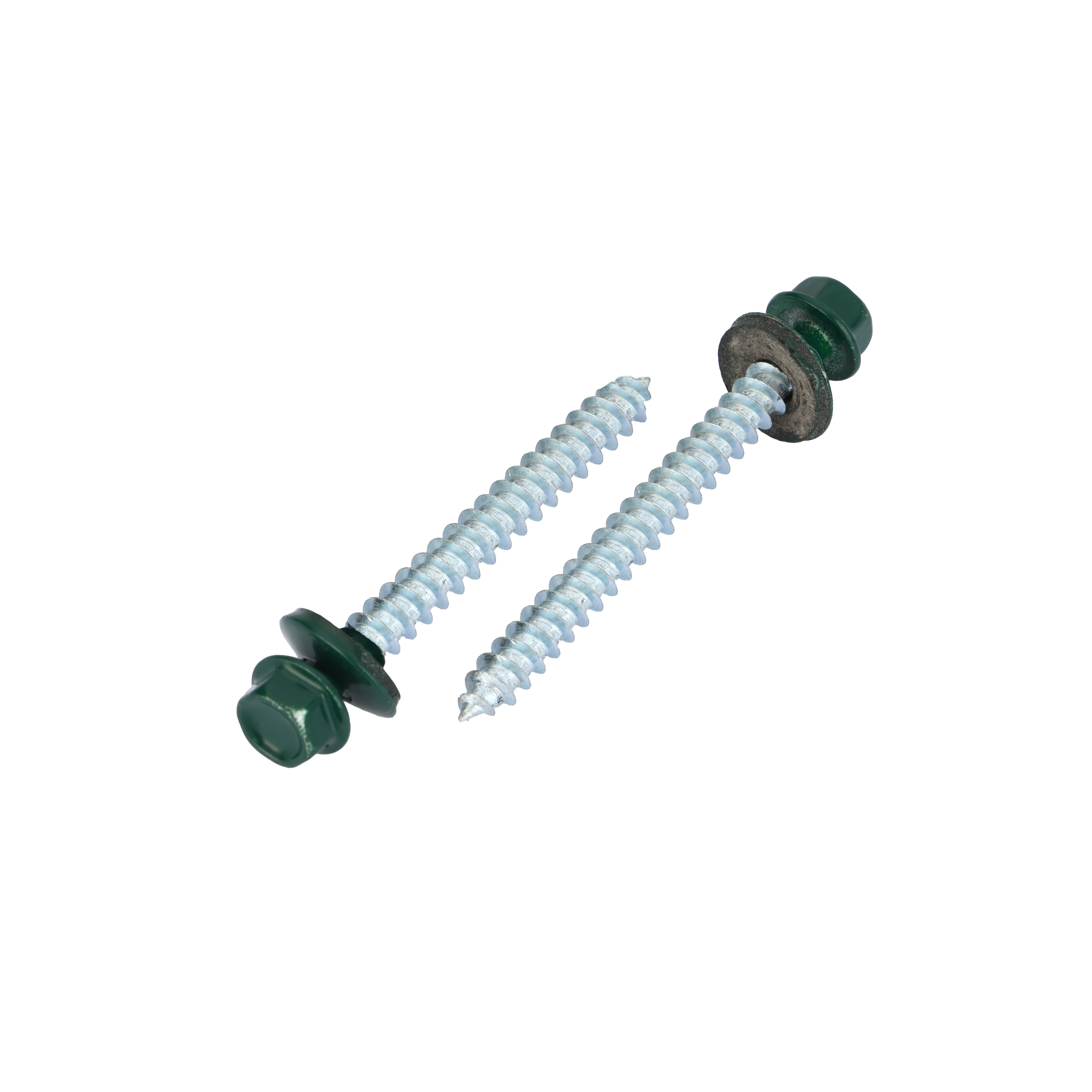
Hex washer-head self-tapping screws with fluoropolymer coatings withstand over 1,500 hours in salt spray tests (ASTM B117), making them ideal for coastal roofing and chemical processing equipment. Sealed threads help prevent microgap corrosion—a common failure point in pre-drilled rivet joints—extending service life to 25+ years in temperate climates. While traditional galvanized fasteners dominate submerged marine applications due to thicker zinc layers, coated self-tappers offer excellent protection in most exterior environments.
Case Study: Metal Roofing with Self-Tapping Fasteners
Application Challenges in Metal-to-Metal Joining
Getting metal roof panels aligned properly is absolutely critical since those tiny gaps between them can really mess up both water resistance and how strong the whole system stays over time. Self-tapping screws make life easier during installation because we don't have to drill holes first, but if someone spaces these out wrong or hits them at funny angles, those thin gauge sheets tend to warp pretty badly. Industry folks have noticed through years of experience that around two-thirds of all problems with metal roof installations come down to using screws where the thread pitch doesn't match what the material actually needs. For steel on steel connections, most pros reach for thread-forming screws instead. These little guys create better seals without making those pesky metal shavings everyone hates cleaning up after installation, which means the structure holds up much better when winds start blowing hard across rooftops.
Managing Thermal Expansion and Vibration Risks
Metal roofs expand and contract with temperature changes, creating as much as 1,200 pounds per square inch of sideways pressure when temperatures swing between freezing and warm conditions. Self-tapping screws with those rubbery neoprene washers handle this movement better, keeping everything sealed tight against leaks. Studies indicate these systems cut down on water infiltration problems by about 40 percent over traditional rigid fastening methods according to research published by IBHS last year. When it comes to dealing with vibrations, there's another reason why screws matter so much. Real world testing in factories where HVAC systems run constantly shows that screw-based attachments last roughly two and a half times longer under repeated stress cycles compared to regular nail connections. Most installation guides suggest getting at least 30% of the screw threads engaged into the material for good measure, striking that right balance between allowing some give and preventing the whole thing from pulling loose over time.
Corrosion Protection and Long-Term Fastener Performance
Steel screws left unprotected tend to wear down about 0.002 inches each year when exposed to salty air in coastal areas or industrial settings. When put through real-world tests over ten years, zinc aluminum coated self-tapping screws actually hold up twice as long against corrosion compared to regular hot dip galvanized alternatives. The special encapsulated thread design really makes a difference too since it stops electrolytes from getting into the area where the screw meets the shank, which happens to be where problems start for around one-third of old-fashioned rivet connections. Most industries these days demand that all outdoor metal fasteners pass ASTM B117 salt spray tests. And looking at actual performance data, many high-quality self-tapping models can last well beyond 1500 hours before showing any sign of red rust, making them much more reliable for long-term installations.
Best Practices for Selecting the Right Fastener Type
Decision Matrix: Material, Load, and Environmental Conditions
A structured approach to fastener selection involves evaluating three key factors:
| Material | Load Type | Environmental Conditions | Recommended Fastener |
|---|---|---|---|
| Thin sheet metal | Light dynamic | High humidity | Stainless steel self-tapping screws |
| Hardwood | Heavy static | Temperature fluctuations | Coated lag screws |
| Polypropylene | Moderate vibration | Chemical exposure | Thread-cutting self-tappers |
Guidelines emphasize assessing material hardness, load direction (shear vs. tensile), and corrosion exposure. Self-tapping screws are optimal for thin metals and plastics where pre-drilling is impractical, while traditional fasteners excel in high-load structural applications such as timber framing.
When to Use Self-Tapping Screws vs Traditional Fasteners
Choose self-tapping screws when:
- Joining dissimilar materials (e.g., metal to composites)
- Working with brittle substrates prone to cracking from pre-drilling
- Rapid installation is a priority (saving 25–40% labor time)
Opt for traditional fasteners when:
- Disassembly or reassembly is required
- Loads exceed 50 kN in shear
- Operating temperatures surpass 200°C
Maximizing Holding Power and Installation Success
- Self-tapping screws: Match thread pitch to material—fine threads for metals, coarse for plastics—and drive perpendicularly to avoid cross-threading.
- Traditional fasteners: Use torque-limiting drivers (±10% of manufacturer specs) and drill pilot holes at 80% of shank diameter for optimal grip.
Proper installation reduces joint failure risk by 62% in load-bearing applications (Fastener Engineering Report, 2023), with vibration-resistant coatings extending service life in mechanical systems by 3–5 years.
Table of Contents
- How Self-Tapping Screws Work: Mechanism and Material Compatibility
- The Importance of Pre-Drilling and Pilot Holes
- Material Suitability for Wood, Metal, and Plastic
- Holding Power, Shear Strength, and Long-Term Reliability
- Performance Comparison: When to Choose Self-Tapping Screws
- Case Study: Metal Roofing with Self-Tapping Fasteners
- Best Practices for Selecting the Right Fastener Type

